
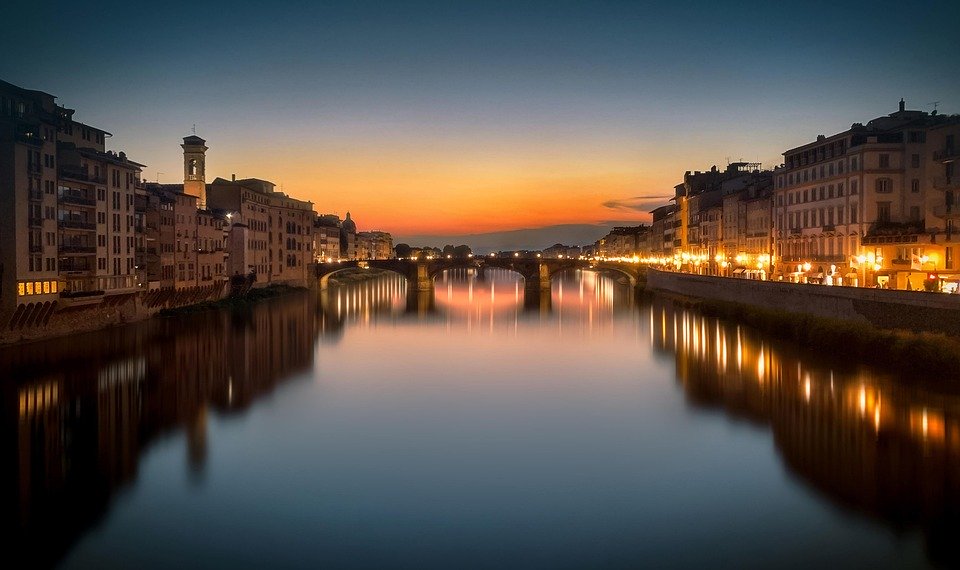
Italy is a destination that rewards curiosity. Ancient Roman landmarks, Renaissance masterpieces, dramatic coastlines, mountain villages and world-famous regional cuisine come together in a country where every region offers a different experience. You might spend one day exploring historic streets in Rome, the next discovering the canals of Venice, and later relaxing among the vineyards and rolling hills of Tuscany.
But planning a memorable Italian holiday involves more than choosing famous attractions. The right season, transport options, accommodation, local experiences and travel pace can make a significant difference to your journey. Exploring beyond the busiest tourist centres can also introduce you to quieter towns, traditional food and landscapes that many visitors miss.
This Italy travel guide covers the destinations worth considering, the experiences that make the country special, practical planning advice and ways to discover Italy at your own pace. Whether you are planning a first visit, a romantic escape, a family holiday or a longer cultural journey, these tips will help you prepare for a more rewarding trip.
Why Visit Italy?
Few destinations combine art, history, food, nature and everyday cultural experiences as naturally as Italy. Its regional differences are one of its greatest strengths. The architecture, cuisine, landscapes and traditions can change considerably as you travel from the northern Alps to the southern Mediterranean coast.
- History and architecture: Explore ancient Roman sites, medieval towns, historic churches and Renaissance landmarks.
- Food and regional cuisine: Discover handmade pasta, regional cheeses, fresh seafood, traditional pastries and local specialities.
- Coastal scenery: Enjoy colourful seaside villages, Mediterranean beaches and spectacular coastal roads.
- Art and culture: Visit renowned museums, galleries, opera houses, local markets and historic neighbourhoods.
- Outdoor activities: Walk through the Dolomites, cycle through the countryside or explore lakes and national parks.
- Distinctive local experiences: Take a cooking class, visit a family-run farm or spend time in a small town away from the main tourist routes.
The key to enjoying Italy is to choose experiences that suit your interests rather than trying to see everything in one trip.
Best Places to Visit in Italy
1. Rome: Ancient History and Modern Italian Life
Rome is an excellent starting point for a first visit to Italy. Its historic centre brings together remarkable ancient monuments, grand piazzas, churches, fountains and neighbourhoods filled with restaurants and cafés.
The Colosseum, Roman Forum and Pantheon offer insight into different periods of the city’s history. Vatican City, with St Peter’s Basilica and the Vatican Museums, is another major highlight for visitors interested in art and architecture.
Beyond the famous landmarks, leave time to wander through Trastevere, discover neighbourhood food markets and enjoy an unhurried meal. Rome can be busy, so grouping nearby attractions together and reserving timed-entry tickets where required can make sightseeing easier.
Best for: History, architecture, art, food and first-time visitors.
2. Florence: Renaissance Art and Tuscan Culture
Florence is one of Italy’s most rewarding destinations for art and architecture enthusiasts. The city is known for its Renaissance heritage, elegant streets, historic churches and museums housing important works of European art.
Highlights include the Cathedral of Santa Maria del Fiore, the Uffizi Gallery, the Accademia Gallery and the Ponte Vecchio. The surrounding Tuscan countryside provides a contrasting experience, with vineyards, olive groves, hilltop towns and traditional farm stays.
Consider spending several days in Florence rather than treating it as a quick stop. If time permits, organise a separate day trip into Tuscany to experience its smaller communities and countryside landscapes.
Best for: Art, architecture, photography, history and countryside excursions.
3. Venice: Canals, Palaces and Quiet Backstreets
Venice offers a travel experience unlike that of most other European cities. Its canals, bridges, historic palaces and narrow pedestrian lanes create a distinctive setting for exploring on foot and by water.
St Mark’s Square, St Mark’s Basilica, the Doge’s Palace and the Rialto Bridge are popular starting points. However, some of the city’s most memorable moments come from exploring less crowded neighbourhoods, watching daily life along the canals and visiting local cafés away from the busiest routes.
Murano is known for its glassmaking traditions, while Burano is recognised for its colourful buildings and lace-making heritage. These islands can add a different dimension to a Venice visit.
Check official visitor information before travelling, as local access arrangements and fees may change. If you are visiting during a busy period, an early start and an overnight stay can give you more time to enjoy the city beyond the busiest hours.
Best for: Architecture, photography, romantic holidays, history and unique city experiences.
4. The Amalfi Coast: Mediterranean Scenery
The Amalfi Coast is famous for its steep coastal landscapes, colourful villages and views across the Mediterranean. Positano, Amalfi and Ravello each offer a different atmosphere, from seaside streets to historic squares and gardens overlooking the coast.
Visitors can explore local beaches, walk scenic paths, sample regional seafood and discover small towns along the coastline. The area is particularly attractive to travellers who enjoy photography, coastal scenery and relaxed meals with a view.
Roads can be narrow and traffic can be heavy during popular travel periods. Plan transfers carefully, allow extra time between stops and avoid trying to fit too many coastal towns into a single day.
Best for: Coastal holidays, couples, scenic drives, food and photography.
5. Tuscany: Vineyards, Hilltop Towns and Rural Stays
Tuscany offers a slower side of Italy, with rolling landscapes, historic towns, olive groves and vineyards. It is an appealing region for travellers who want to combine cultural sightseeing with countryside relaxation.
Consider visiting Siena, San Gimignano or smaller communities in the Val d’Orcia. A stay at an agriturismo, a farm-based accommodation experience, can provide an opportunity to enjoy rural surroundings and regional cooking.
Florence is well connected to other major cities by rail, but a car can be useful for reaching smaller villages and rural properties. Check parking arrangements before driving into historic centres, where restricted-traffic zones may apply.
Best for: Countryside escapes, food and wine experiences, rural accommodation and road trips.
6. The Dolomites: Mountains and Outdoor Adventures
Northern Italy’s Dolomites attract travellers with dramatic mountain peaks, alpine meadows, lakes and outdoor recreation. The region offers hiking and mountain scenery in warmer months, while selected resorts provide skiing and snow activities in winter.
Popular bases include Cortina d’Ampezzo and other mountain communities across the region. Activities depend on the season, weather, trail conditions and the operation of mountain lifts.
Choose walks that match your fitness and experience, check local forecasts and carry suitable clothing. Mountain conditions can change quickly, even when the weather appears pleasant in the valley.
Best for: Hiking, nature, photography, mountain scenery and seasonal outdoor activities.
7. Puglia and Southern Italy: Beaches and Traditional Towns
Puglia, in Italy’s southeast, is known for its Adriatic and Ionian coastlines, historic towns, traditional architecture and distinctive regional cuisine. Alberobello is famous for its trulli houses, while coastal communities offer beaches, harbours and opportunities to explore local food culture.
Travellers can also consider Matera in neighbouring Basilicata, where historic cave dwellings and stone-built streets create a remarkable landscape. Matera is particularly rewarding for visitors interested in architecture, heritage and photography.
Southern Italy is best explored with enough time to appreciate the differences between its towns and coastal areas. Depending on your itinerary, regional trains, buses or a rental car may be useful.
Best for: Regional cuisine, historic towns, beaches, architecture and less hurried travel.
8. Sicily: History, Coastlines and Distinctive Cuisine
Sicily combines Mediterranean scenery with Greek and Roman archaeological sites, historic cities, coastal communities and a distinctive culinary tradition. Palermo offers lively markets and layered architectural influences, while Catania provides access to the eastern side of the island and Mount Etna.
Visitors can explore ancient sites, relax by the sea, sample regional pastries and seafood, or discover smaller towns away from the main cities. Sicily is large enough to reward a longer stay, so avoid planning an itinerary that requires constant travel from one end of the island to the other.
Best for: Food, archaeology, beaches, culture and extended holidays.
Travel Experiences Worth Adding to Your Italy Itinerary
Explore Italian Food Through Local Experiences
Italian cuisine is deeply regional. A dish that is popular in one area may be prepared differently or have a different name elsewhere. Instead of looking only for familiar restaurant menus, use your trip to discover local ingredients, traditional cooking methods and seasonal specialities.
- Join a pasta-making class led by a local cook.
- Visit a food market and learn about regional ingredients.
- Try traditional dishes associated with the city or region you are visiting.
- Explore local bakeries, cafés, cheese shops and family-run restaurants.
- Consider a guided food tour to understand the history behind regional recipes.
Wine-related activities and tastings may also be available in certain regions. Choose reputable providers and check what is included before booking.
Stay in a Traditional Agriturismo
A countryside farm stay can offer a welcome change from city hotels. Agriturismi vary in style, facilities and services, but many provide access to rural landscapes and a closer connection with local food traditions.
Some properties offer meals prepared with regional ingredients, gardens, farm activities or cooking experiences. Others focus primarily on accommodation. Review the location, transport access, meal arrangements and facilities before confirming a reservation.
Discover Small Towns and Local Neighbourhoods
Italy’s most famous cities deserve their reputation, but smaller destinations can be equally memorable. A market visit, a quiet evening in a historic square or a conversation with a local shopkeeper may become a highlight of the trip.
Build free time into your itinerary instead of scheduling every hour. Walking through a neighbourhood without rushing between attractions can help you experience the character of a place more naturally.
Make Time for Wellness and Relaxation
Not every Italian holiday needs to be packed with sightseeing. Thermal spa destinations, countryside retreats, coastal resorts and mountain lodges offer opportunities to slow down.
Travellers can combine a few days of cultural exploration with time for swimming, gentle walks, spa facilities or simply enjoying a scenic setting. When comparing wellness properties, check whether treatments, pools and other facilities are included in the room rate or charged separately.
Choose Slow Travel Over Constant City Hopping
Slow travel means spending enough time in each destination to appreciate its culture, food and surroundings. Instead of moving hotels every night, choose a convenient base and explore nearby places at a comfortable pace.
For example, a longer stay in Florence can include time in the city as well as selected Tuscan excursions. Similarly, a visit to Sicily can focus on one part of the island rather than attempting to cover every major attraction.
This approach can reduce the stress of repeated packing, transfers and check-ins while allowing more room for spontaneous discoveries.
When Is the Best Time to Visit Italy?
The best time to visit Italy depends on the regions you want to explore and the experiences you have in mind. Northern mountain destinations, major cities and southern coastal areas can have very different weather conditions.
Spring
Spring is often a good period for city sightseeing, countryside walks and cultural trips. Temperatures are generally more comfortable than during the hottest part of summer, although rain and changing conditions are possible. Popular attractions can still be busy around holidays and major events.
Summer
Summer is popular for beach holidays, island visits and outdoor dining. Coastal destinations and resort towns can be especially busy, while major cities may experience high temperatures. Book accommodation and important attractions in advance, and plan outdoor sightseeing for cooler parts of the day.
Autumn
Autumn can be an attractive time for food-focused trips, countryside exploration and city breaks. Harvest activities and regional food events may be available depending on the destination and dates. Weather varies, so check conditions before planning outdoor excursions.
Winter
Winter brings opportunities for alpine skiing, seasonal markets and quieter visits to some cultural destinations. Mountain resorts follow their own seasonal schedules, and some coastal businesses may operate with reduced services outside the main tourist season.
Planning tip: Before booking, compare seasonal weather, local festivals, transport schedules and accommodation availability for your chosen destinations. Check attraction opening hours directly, especially around public holidays.
How to Get Around Italy
Italy offers several ways to travel between cities and explore individual regions. The most suitable option depends on your route, budget, luggage and how much time you have.
Travel by Train
Trains are a practical choice for many journeys between major cities and towns. High-speed services connect several important destinations, while regional trains serve a wider network of smaller communities.
Compare departure stations, journey times, ticket conditions and luggage requirements before booking. Some tickets have specific travel conditions, and popular departures can sell out or become more expensive as the date approaches.
Use Buses and Local Public Transport
Buses and local transport can help you reach destinations not served directly by rail. In cities, walking combined with buses, metro systems or trams can be more convenient than driving.
Check timetables carefully for rural routes and smaller towns, where services may be less frequent, especially on Sundays or public holidays.
Consider Renting a Car
A rental car can be useful for exploring rural Tuscany, parts of Puglia and other areas where attractions are spread across smaller communities. However, driving is not necessary for every Italian itinerary.
Before renting, confirm your licence requirements, insurance coverage, fuel policy, parking arrangements and any restrictions on driving in historic centres. Many Italian towns have limited-traffic zones known as ZTL areas. Entering a restricted zone without the required permission may result in a fine.
Plan Transfers Between Airports and Accommodation
Airport transfers can be particularly helpful for late arrivals, families, groups or travellers carrying substantial luggage. Depending on the airport, alternatives may include trains, airport buses, taxis and pre-booked private transfers.
Compare the total cost, expected journey time, luggage capacity and meeting arrangements before choosing an option.
Practical Italy Travel Tips
1. Reserve Major Attractions in Advance
Popular museums, archaeological sites and guided experiences can have limited entry slots. Reserve in advance where appropriate, use official booking channels when available and check the cancellation policy. Leave some flexibility in your schedule for delays or unexpected discoveries.
2. Choose Accommodation by Location
A well-located hotel can save time and transport costs. Consider how close it is to public transport, the attractions you plan to visit, restaurants and your arrival station or airport. For rural accommodation, confirm whether you will need a car or whether transfers are available.
3. Pack for the Region and Season
Comfortable walking shoes are useful for historic centres with cobblestones and uneven pavements. Pack according to the season, with layers for changing temperatures and suitable clothing for mountain activities or coastal visits. Check dress requirements before entering religious sites.
4. Learn a Few Italian Phrases
English is spoken in many tourist-facing businesses, but learning a few Italian expressions can make everyday interactions easier.
- Buongiorno: Good morning or good day.
- Buonasera: Good evening.
- Per favore: Please.
- Grazie: Thank you.
- Scusi: Excuse me.
- Quanto costa? How much does it cost?
5. Check Entry Requirements Before Departure
Visa and entry requirements depend on your nationality, travel document, purpose of travel and length of stay. Italy is part of the Schengen Area, but travellers should not assume that the same requirements apply to every passport.
Check the relevant Italian government or official consular information before booking non-refundable travel. Also review passport validity, travel insurance and any applicable entry authorisation requirements.
6. Understand Local Payments and Everyday Costs
Italy uses the euro. Cards are widely accepted in many hotels, restaurants and shops, but carrying a small amount of cash can be useful for certain small purchases or businesses. Check your bank’s foreign transaction and cash withdrawal fees before travelling.
Your overall budget will depend on the season, accommodation category, city, restaurant choices, transport and activities. Major tourist centres and coastal resorts can be more expensive during busy periods. Compare the full cost of accommodation, transport and attraction tickets rather than considering room rates alone.
7. Travel Respectfully
Respect local customs, religious sites, residential areas and environmental rules. Follow signs at historic monuments, use designated paths in natural areas and avoid leaving rubbish behind. Supporting local businesses and choosing responsible tour operators can help make travel more beneficial to the communities you visit.
How Much Does a Trip to Italy Cost?
There is no single budget that suits every Italy holiday. Costs vary according to travel dates, destination, accommodation standard, dining preferences and the number of activities included.
- Accommodation: Compare hotels, guesthouses, apartments and rural stays according to location and facilities.
- Food: Mix restaurants with cafés, bakeries, markets and casual local dining to suit your budget.
- Transport: Include intercity tickets, local transport, airport transfers, parking or rental car expenses.
- Attractions: Allow for museum tickets, guided tours, special experiences and any reservation charges.
- Additional expenses: Budget for travel insurance, mobile data, shopping, tips where appropriate and unexpected costs.
For a realistic estimate, create a daily budget and calculate the expected cost of each part of the itinerary. Prices should be checked for your intended travel dates, as published rates and availability can change.
How to Plan an Italy Itinerary
The ideal itinerary depends on the length of your stay and your interests. Rather than covering the entire country in a short visit, focus on a manageable group of destinations.
Short Trip: Focus on One or Two Cities
For a shorter holiday, consider Rome and Florence, or Venice and another nearby destination. This approach allows time for major attractions, local food and neighbourhood exploration without spending too much of the trip in transit.
One Week: Combine Culture and Regional Experiences
A week could focus on Rome and Florence, with selected day trips, or combine a city stay with a countryside experience. Check the journey times before adding another destination, and avoid scheduling important activities immediately after long transfers.
Ten Days or Longer: Explore at a Comfortable Pace
A longer holiday can include several regions, such as Rome, Florence and Venice, or focus on southern Italy, Sicily or northern mountain destinations. If you want a combination of cities and rural areas, allow enough time for each setting rather than moving accommodation every night.
These are planning examples rather than fixed itineraries. Choose destinations based on your arrival airport, departure airport, interests, season and preferred pace of travel.
How Nihosi Travels & Tours Can Help
Planning an international holiday can involve coordinating flights, accommodation, transfers and activities across several destinations. A well-organised itinerary helps bring these elements together while making it easier to manage timing, costs and travel preferences.
Nihosi Travels & Tours can assist travellers looking for support with travel arrangements and holiday planning. Depending on your requirements, services may include flight bookings, hotel reservations, holiday packages, tours and excursions, airport transfers and other travel-related arrangements.
When requesting a personalised itinerary, share your intended travel dates, departure city, number of travellers, approximate budget and preferred experiences. Mention any accessibility requirements, dietary preferences or special occasions so that the proposed arrangements can better match your needs.
To discuss your travel plans, visit www.nihositravels.com.
Frequently Asked Questions About Travelling to Italy
What is the best time to visit Italy?
Spring and autumn are often attractive for comfortable sightseeing, cultural visits and countryside exploration. Summer is popular for beaches and coastal holidays, while winter is suitable for alpine activities and seasonal experiences. The best choice depends on your destinations and interests.
How many days do I need to explore Italy?
A few days can provide a worthwhile introduction to one major city, while a week allows time for a city-focused trip or a small number of destinations. Longer holidays offer more flexibility to explore different regions. The best duration depends on how far you want to travel and the experiences you want to include.
Is Italy suitable for first-time international travellers?
Italy can be a good choice for first-time international travellers, particularly when the itinerary is planned around accessible destinations and reliable transport connections. Booking accommodation in convenient locations, researching entry requirements and allowing enough time between activities can make the trip easier to manage.
Is public transport a good way to explore Italy?
Yes. Trains and local public transport are useful for many city-to-city journeys and urban sightseeing. A rental car may be more convenient for certain rural areas, but it is not necessary for every itinerary. Check transport connections for each destination before deciding.
Can I explore Italy on a limited budget?
Yes. Travelling outside the busiest periods, booking suitable accommodation early, using public transport and choosing local dining options can help control costs. Smaller towns may also offer alternatives to the most expensive tourist centres. Always compare prices for your actual travel dates.
Do I need a visa to visit Italy?
Visa requirements depend on your nationality, travel document, purpose of visit and length of stay. Check official Italian consular or government guidance before booking your trip, as requirements can differ between travellers.
Should I book Italian attractions before travelling?
Booking ahead is advisable for popular attractions, timed-entry museums and guided tours, especially during busy travel periods. Use official booking channels when possible and confirm opening hours, ticket conditions and cancellation policies.
Can Nihosi Travels & Tours help arrange my Italy holiday?
Nihosi Travels & Tours can assist with travel arrangements such as flights, hotels, holiday packages, tours and transfers, subject to availability and the services requested. Visit www.nihositravels.com to discuss your requirements.
Plan Your Italian Adventure
Italy offers far more than a checklist of famous landmarks. Its appeal lies in the variety of experiences available, from exploring ancient cities and Renaissance art to enjoying regional cuisine, discovering quiet countryside towns and taking in spectacular coastal or mountain scenery.
The most rewarding trip is one that matches your interests, travel style and available time. Choose a manageable itinerary, research the practical details, leave room for spontaneous experiences and take the opportunity to appreciate each destination beyond its main attractions.
Whether you are planning a first visit or returning to discover another region, thoughtful preparation can help you make the most of your time in Italy. For help organising flights, accommodation and other travel arrangements, visit Nihosi Travels & Tours and start planning your Italian getaway.











Subscribe To Our Newsletter
Join our mailing list to receive the latest news and updates from our team.
You have Successfully Subscribed!