
Iceland Travel Guide: Best Places to Visit, Things to Do and Travel Tips
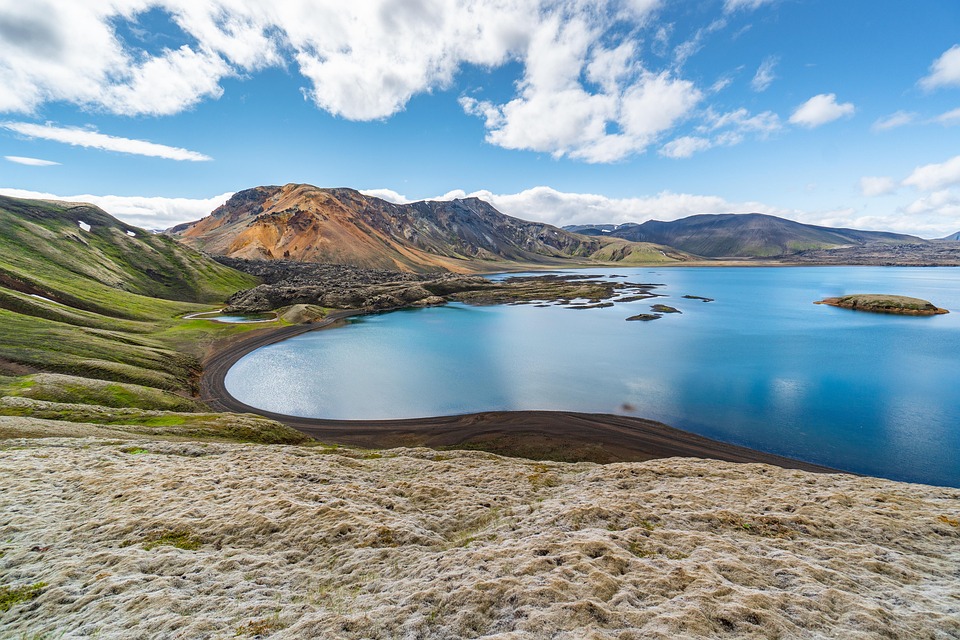
Iceland is a destination where the landscape often feels larger than life. Glaciers descend toward black-sand coastlines, waterfalls cut through volcanic terrain, geothermal steam rises from the ground, and mountains and lava fields create scenery that can change dramatically within a short drive.
Known for its combination of fire and ice, Iceland offers far more than a collection of famous sightseeing stops. It is a country to experience through road journeys, hiking trails, geothermal bathing, wildlife encounters, local food, small communities and time spent outdoors.
For some travellers, the attraction is the possibility of seeing the Northern Lights. For others, it is the chance to walk beside a glacier, explore a volcanic landscape, watch whales, discover Icelandic culture or simply spend several days surrounded by extraordinary scenery.
This Iceland travel guide brings together the major destinations, regional highlights, activities, transportation advice, seasonal considerations, accommodation ideas, responsible travel practices, packing recommendations and itinerary-planning tips you need to build a memorable trip.
Rather than trying to cover every corner of the country in one journey, the key is to understand what each region offers and choose an itinerary that matches your interests, travel time and preferred pace.
Why Travel to Iceland?
Iceland has a rare combination of natural environments. Within the same trip, travellers can encounter glaciers, volcanic landscapes, geothermal areas, waterfalls, black-sand beaches, fjords, lava fields and coastal cliffs.
The country is also remarkably well suited to travellers who enjoy outdoor experiences. Hiking, glacier excursions, whale watching, horseback riding, snorkelling, diving, snow-based activities and scenic drives are among the experiences available depending on the season and region.
At the same time, Iceland does not require every visitor to be an adventure traveller. Reykjavík provides museums, restaurants, cafés, music, architecture and cultural experiences, while geothermal pools and spas offer slower ways to enjoy the country’s natural energy.
Iceland is also a destination where the journey between attractions can be part of the experience. A road may pass through a valley, beside a glacier, across a lava field and along the ocean before reaching the next town or attraction.
Understanding Iceland Before You Plan Your Trip
Iceland is geographically compact compared with many large countries, but distances, weather and road conditions can make travel slower than it appears on a map.
The official tourism organisation divides the country into seven broad regions: Reykjavík and the capital area, Reykjanes, West Iceland, the Westfjords, North Iceland, East Iceland and South Iceland. Each has its own combination of landscapes, communities and attractions.
This regional diversity is important when planning an itinerary. A traveller interested in waterfalls and glaciers may prioritise the south, while someone looking for quieter landscapes may prefer the Westfjords. Wildlife enthusiasts may be interested in the north, while travellers with limited time may focus on Reykjavík and the Golden Circle.
Best Places to Visit in Iceland
1. Reykjavík
Reykjavík is Iceland’s capital and the natural starting point for many international visitors. Although it is relatively compact, the city combines cultural attractions, restaurants, cafés, museums, swimming pools, architecture and access to some of Iceland’s most famous natural areas.
Hallgrímskirkja is one of Reykjavík’s most recognisable landmarks. The church’s distinctive architecture makes it an important part of the city’s skyline, while the tower provides panoramic views over the capital when open.
Harpa Concert Hall is another architectural landmark, located beside the waterfront. The building hosts concerts and cultural events and is worth seeing even when you do not have a performance planned.
The Sun Voyager sculpture along the waterfront is another popular stop, while Reykjavík’s central streets offer opportunities to explore cafés, shops, restaurants and local design.
For travellers interested in Icelandic history and culture, museums and exhibitions provide useful context before travelling into the countryside.
How long to stay: One to three days can work well depending on whether Reykjavík is simply your arrival point or part of your main holiday.
2. The Golden Circle
The Golden Circle is one of Iceland’s best-known sightseeing routes and one of the easiest ways to experience several major natural and historical attractions in a relatively compact journey.
The classic route includes Þingvellir National Park, the Geysir geothermal area and Gullfoss waterfall. The official Iceland tourism guide describes the route as approximately 250 kilometres round trip from Reykjavík, with options to extend the journey and combine it with other parts of the country.
Þingvellir National Park
Þingvellir combines geological and historical importance. The area is associated with Iceland’s historic Alþingi parliament and is also known for its visible geological features, including the landscape created by the movement of tectonic plates.
The area includes walking routes, viewpoints, water features and dramatic rock formations, making it more than simply a quick stop on a sightseeing bus.
Geysir Geothermal Area
The geothermal area is associated with the famous Great Geysir, while Strokkur is the active geyser that regularly erupts. Visitors can also see steaming vents, hot springs and other geothermal features.
Stay on designated paths and follow safety instructions because geothermal areas contain extremely hot water and unstable ground.
Gullfoss
Gullfoss is one of Iceland’s most impressive waterfalls. Water drops through a series of dramatic stages into a deep canyon, creating a powerful landscape that changes character according to weather and season.
The Golden Circle can be visited as a day trip from Reykjavík, but travellers with more time can slow the experience down by adding nearby attractions and overnight accommodation.
3. Iceland’s South Coast
The South Coast is one of the most visually diverse areas of Iceland and can form the backbone of a longer road trip.
The route includes major waterfalls, volcanic landscapes, black-sand beaches, coastal cliffs, glaciers and access to some of the country’s most famous natural attractions.
Seljalandsfoss
Seljalandsfoss is known for its distinctive shape and the walking experience around the waterfall. Depending on conditions and access, visitors may be able to see the falling water from different viewpoints.
Skógafoss
Skógafoss is another major South Coast waterfall, with a broad curtain of water dropping from a former sea cliff. The scale of the waterfall makes it one of the most memorable stops on the route.
Reynisfjara Black Sand Beach
Reynisfjara is famous for its black volcanic sand, basalt formations and powerful Atlantic waves.
This is also an important place to take safety seriously. The ocean can be unpredictable, and visitors should remain well away from the water and follow local safety instructions.
Vík
The small town of Vík is a convenient base or stopping point for exploring parts of the South Coast. Its location makes it useful for travellers continuing toward the southeast.
4. Jökulsárlón Glacier Lagoon and Diamond Beach
Jökulsárlón is one of Iceland’s most recognisable landscapes. Ice from the glacier system breaks into the lagoon, where pieces of ice float toward the ocean.
Nearby Diamond Beach is named for chunks of glacial ice that can be found on the black volcanic shoreline. The appearance of the beach changes continuously as ice, waves, light and weather interact.
The area is part of the wider landscape associated with Vatnajökull National Park. The national park encompasses Vatnajökull, Europe’s largest glacier, together with extensive surrounding areas and diverse volcanic and glacial landscapes.
Travel tip: Allow enough time for both the glacier lagoon and surrounding viewpoints rather than treating the area as a brief roadside photo stop.
5. Vatnajökull National Park
Vatnajökull National Park is one of the most significant protected landscapes in Iceland. It covers a large portion of the country and demonstrates the dramatic relationship between glaciers, rivers, volcanoes and geothermal forces.
Skaftafell is one of the best-known areas within the park and offers hiking opportunities through landscapes where vegetation, mountains, waterfalls and glaciers meet.
Depending on the season and conditions, visitors may also participate in guided glacier experiences or explore other parts of the park.
Because glaciers and volcanic environments are dynamic, independent exploration of dangerous terrain is not appropriate. Guided activities should be undertaken with qualified operators when specialist equipment or knowledge is required.
6. The Westfjords
The Westfjords offer a very different experience from the heavily visited routes around Reykjavík and the south.
The region occupies Iceland’s northwest and is characterised by steep mountains, deep fjords and a rugged coastline. The official tourism guide notes that the area lies away from the main Ring Road route followed by many visitors.
Dynjandi waterfall is one of the region’s major natural attractions, while Ísafjörður provides a useful base for exploring the area.
Hornstrandir is another major attraction for travellers interested in remote wilderness and hiking. Access and conditions require careful planning, particularly because services are more limited than around Reykjavík and the main southern routes.
Best for: solitude, hiking, photography, wildlife, dramatic coastlines and travellers who want to slow down.
7. Snæfellsnes Peninsula
Snæfellsnes is often described as Iceland in miniature because a relatively compact area contains many of the landscapes associated with the country.
The peninsula includes mountains, lava fields, beaches, cliffs, fishing villages and the Snæfellsjökull volcano and glacier.
Kirkjufell is one of the region’s most photographed mountains, while coastal areas provide opportunities to experience a quieter side of West Iceland.
The official tourism guide specifically highlights Snæfellsnes as a place where visitors can experience many different types of Icelandic natural scenery in one region.
8. East Iceland and the Eastfjords
East Iceland is often overlooked by travellers who follow a faster route around the country, but the region offers dramatic fjords, fishing villages, mountains and quieter roads.
The Eastfjords are particularly appealing for travellers who enjoy scenic drives and small communities. The landscape changes constantly as the road moves between mountains and the coast.
East Iceland can also be combined with Vatnajökull National Park and the southeast for a longer road trip.
9. North Iceland
North Iceland offers a different collection of landscapes and experiences, including volcanic terrain, geothermal areas, waterfalls and coastal communities.
Akureyri is the largest urban centre in the north and can serve as a base for exploring surrounding attractions.
The region is also associated with whale watching and opportunities to experience Icelandic nature away from the busiest southern routes.
10. Reykjanes Peninsula
The Reykjanes Peninsula is more than simply the location of Iceland’s main international airport. The region has lava fields, geothermal landscapes, coastal scenery and geological features.
The official tourism guide describes Reykjanes as a geological destination in its own right, with the airport, geothermal attractions and volcanic landscapes forming part of the region.
Its location makes it particularly convenient for combining with the beginning or end of an Iceland itinerary, although travellers should always check current access conditions for individual attractions.
Best Things to Do in Iceland
See the Northern Lights
The Northern Lights, or aurora borealis, are one of Iceland’s most famous natural attractions.
Seeing them is never guaranteed. The phenomenon depends on solar activity, darkness, cloud cover and viewing conditions.
Travellers should therefore treat an aurora hunt as an experience rather than a guaranteed event.
Leaving areas with strong artificial light can improve viewing conditions, while guided tours may help visitors understand forecasts and identify suitable locations.
Explore Geothermal Areas
Geothermal activity is one of the defining characteristics of Iceland.
Hot springs, geothermal pools, steam vents, mud pots and geysers can be found in different parts of the country.
Visitors should never assume that naturally heated water is safe for bathing. Some geothermal areas contain dangerously hot water and unstable ground. Swim only in designated bathing areas.
Experience Icelandic Geothermal Pools
Swimming is deeply integrated into Icelandic culture and everyday life. Public pools can offer a more local experience than luxury spa facilities, while geothermal lagoons and spas provide a more structured wellness experience.
A geothermal experience can be particularly enjoyable after hiking or sightseeing, but visitors should follow the hygiene and bathing rules of each facility.
Go Whale Watching
Iceland’s waters support a range of marine life, and whale-watching trips operate from several coastal communities.
Húsavík in North Iceland is particularly associated with whale watching, but it is not the only place where marine wildlife can be observed.
Wildlife sightings cannot be guaranteed, so choose operators that prioritise responsible viewing rather than pursuing animals aggressively.
Walk on a Glacier
Glacier experiences can be among Iceland’s most memorable adventures.
However, glaciers contain crevasses, unstable ice and changing conditions. Travellers should use qualified guides and proper equipment rather than attempting technical glacier travel independently.
Go Hiking
Iceland has hiking opportunities ranging from short walks near major attractions to demanding multi-day wilderness routes.
Popular hiking areas include Þingvellir, Skaftafell, the Westfjords and other protected landscapes.
Weather can change rapidly, so hikers should check conditions, carry suitable clothing and understand the difficulty of their chosen route before setting out.
Explore Iceland on Horseback
Icelandic horses are an important part of the country’s history and culture. Riding tours are available for different experience levels and provide another way to experience the landscape.
Choose operators that demonstrate good animal welfare and match the activity to your riding experience.
Snorkelling and Diving at Silfra
Silfra in Þingvellir National Park is known for its exceptionally clear water and geological setting. Snorkelling and diving here require appropriate equipment, supervision and operator guidance.
Water temperatures are cold, so this is not a casual swimming experience. Follow all safety requirements and disclose relevant medical information to operators when required.
Iceland for Different Types of Travellers
Iceland for Couples
Iceland works well for couples looking for scenery, wellness, road trips and outdoor experiences.
A couple’s itinerary might combine Reykjavík, geothermal bathing, the South Coast, glacier scenery and quieter countryside accommodation.
Iceland for Families
Families can enjoy waterfalls, geothermal pools, museums, wildlife experiences, horse riding and easy nature walks.
The main challenge is often travel time. Long road journeys can become tiring for young children, so family itineraries benefit from fewer destinations and more time in each location.
Iceland for Solo Travellers
Solo travellers can combine Reykjavík with organised day trips or choose a carefully planned self-drive journey.
Remote hiking and winter driving require particular care. Sharing travel plans and checking official safety information is especially important when travelling alone.
Iceland for Adventure Travellers
Adventure travellers can choose from glacier hiking, volcano and lava-field experiences, hiking, diving, snorkelling, snow activities, horseback riding and other outdoor experiences.
Adventure should never mean ignoring local conditions. Iceland’s landscape can be beautiful and hazardous at the same time.
When Is the Best Time to Visit Iceland?
There is no single best season for every traveller. The right time depends on what you want to see and do.
Summer
Summer brings long daylight hours and generally easier access to many roads and outdoor attractions. Hiking opportunities are broader, and long daylight makes it possible to spend extended periods sightseeing.
This is also a popular period for road trips, so accommodation and vehicle availability can become important planning considerations.
Autumn
Autumn brings shorter days, changing colours and a transition toward darker nights. It can be an attractive period for travellers interested in combining scenery with the possibility of Northern Lights viewing.
Winter
Winter transforms Iceland’s landscapes. Snow, ice, shorter daylight and long nights create opportunities for Northern Lights viewing and winter-specific activities.
However, winter also brings more challenging driving conditions and possible weather disruptions. A winter itinerary should be planned around flexibility rather than a rigid schedule.
Spring
Spring marks a gradual transition toward longer days and changing landscapes. Conditions vary, and some highland routes remain inaccessible.
Spring










Subscribe To Our Newsletter
Join our mailing list to receive the latest news and updates from our team.
You have Successfully Subscribed!