
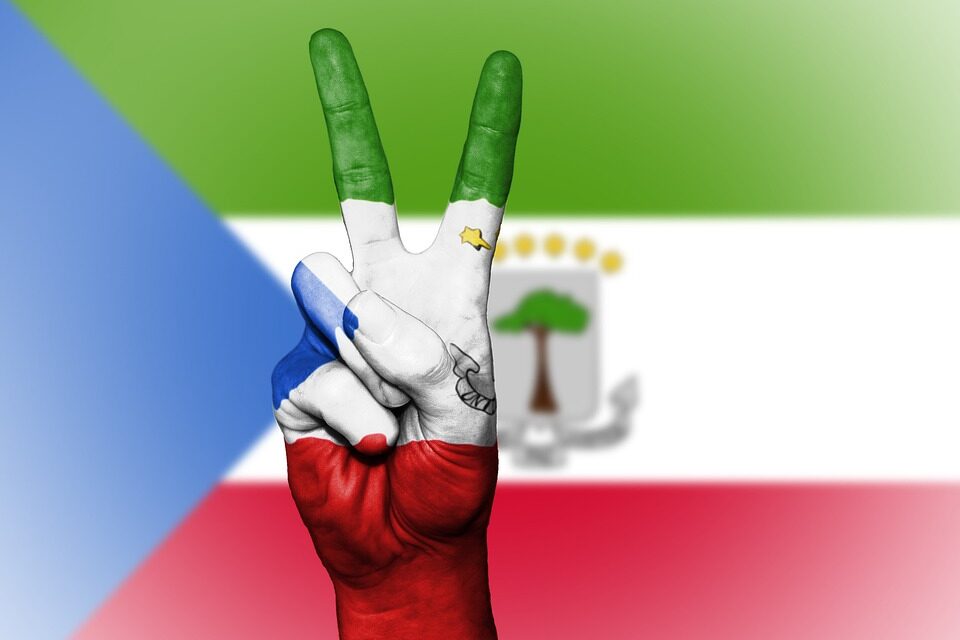
Equatorial Guinea, a small but stunning country on the west coast of Central Africa, hides an extraordinary array of treasures that few travellers have yet to discover. With a vibrant mix of lush rainforests, pristine beaches, volcanic landscapes, and rich cultural heritage, it’s no wonder the country is called one of Africa’s best-kept secrets. While Equatorial Guinea might not currently sit at the top of your bucket list, it absolutely should—and this article is here to show you why.
Let’s dive into 10 hidden gems in Equatorial Guinea that showcase its unmatched natural beauty and cultural richness. Whether you’re an avid adventurer, a laidback beach seeker, or a traveller searching for authentic experiences off the beaten path, you’ll find something incredible here.
1. Malabo: A Fusion of History and Modern Luxury
Malabo, the capital of Equatorial Guinea, is not just any bustling capital city—it’s a vibrant blend of colonial history and contemporary energy. Situated on the beautiful island of Bioko, Malabo is home to some of the country’s most important landmarks.
What to Explore in Malabo:
- Cathedral of Santa Isabel: This neo-Gothic cathedral boasts striking architecture with towering spires that dominate Malabo’s skyline.
- Malabo National Park: A serene green oasis where locals and tourists alike can stroll, picnic, and enjoy the calming ambiance.
- Local Markets: Malabo’s markets give you an authentic sense of the city’s culture—vibrant fabrics, local produce, and traditional crafts galore.
📍 Pro Tip: On Wednesdays, head to the market near the port for freshly caught fish brought in by local fishermen.
2. Moka Valley: A Lush Highland Paradise
Located in the southern highlands of Bioko Island, the Moka Valley is an unmissable destination for eco-tourism enthusiasts. It’s a lush green heaven surrounded by misty volcanic peaks, waterfalls, and untouched biodiversity.
Adventure Awaits:
Hikers will adore trails that meander through rainforests and lead to scenic splendid vistas. The region is also a haven for bird watchers, offering sightings of rare species native to both Equatorial Guinea and neighbouring regions.
Don’t Miss:
- Lake Biao: A crater lake surrounded by dramatic landscapes, making it a prime spot for a quiet picnic and wildlife observation.
3. Corisco Island: The Hidden Beach Paradise
Imagine silky white sand beaches and turquoise waters so clear that you can see fish darting among coral reefs. That’s Corisco Island for you—a true treasure for those seeking relaxation and solitude.
Located off the mainland’s coast and accessible by boat, Corisco Island is a peaceful sanctuary for travellers who love a laid-back beach atmosphere. Unlike many commercialised beach destinations, it offers untouched nature and tranquil surroundings devoid of mass tourism.
✨ Pro Tip: Bring along some snorkelling gear—the vibrant marine life will take your breath away!
4. Monte Alén National Park: Explore the Wild
Monte Alén National Park is a nature enthusiast’s dream. Spanning over 2,000 square kilometres, the park offers a biodiverse rainforested expanse filled with wildlife and adventure.
What You’ll Experience:
- Gorilla Tracking: Guided hiking tours let you observe gorillas, chimpanzees, and other primates in their natural habitat.
- Trekking Trails: Wander through dense forests and find yourself surrounded by exotic flora and fauna. This is also a birdwatcher’s paradise, with over 300 bird species residing here.
For those craving a true wilderness experience, Monte Alén offers an unmatched adventure in Equatorial Guinea.
5. Bata: Vibrant Coastal City Life
The largest city in mainland Equatorial Guinea, Bata, beautifully contrasts the laidback island lifestyle of Bioko Island. With its lively marketplaces, cultural festivities, and stunning waterfront scenes, Bata is brimming with energy.
What to Do in Bata:
- Explore Clock Tower Plaza and the surrounding streets for local street food and fresh produce.
- Wander along the coastline to experience the incredible sunsets over the Atlantic.
Bata is also the gateway to nearby islands and remote regions, making it a strategic stop for travellers eager to explore mainland locations.
6. Annobón Island: A Volcanic Retreat
For travellers looking for something truly remote, Annobón Island—located in the southernmost part of Equatorial Guinea—is a magical escape. This volcanic island is a tropical paradise known for its dramatic landscapes, lagoons, and stunning blue waters.
Must See:
- Lake A Pot: Located near the centre of the island, this scenic lake formed in a volcanic crater is perfect for photography and quiet reflection.
- Think eco-tourism here; Annobón impresses with its pristine beauty and efforts to preserve its natural resources.
🛥️ Getting There: Accessible mainly via chartered flights or boats, Annobón Island is ideal for adventurous travellers willing to go the extra mile.
7. Pico Basilé: Summit Equatorial Guinea’s Highest Peak
Straddling the interior of Bioko Island, Pico Basilé, standing at 3,011 metres, is the highest peak in Equatorial Guinea. A hike up the mountain gives you jaw-dropping views of rainforests, valleys, and even other neighbouring islands from afar.
Why Visit:
Besides its natural beauty, the mountain is of cultural and ecological significance. Many guided tours also include narratives from local communities about the mountain’s history and myths.
8. Mbini: Gateway to Rivers and Mangroves
Known as the “Gateway to the Rivers,” Mbini is a peaceful town located at the mouth of the Benito River. It’s famous for its magnificent mangroves, which offer boat excursions through dense, scenic waterways.
Activities:
- Canoeing Adventures: Travel through the river delta and explore this natural waterway.
- Taste Mbini’s famed seafood dishes, particularly roasted crab—a true local delicacy.
9. Ureka: The Wettest Region on Bioko Island
Famous for being one of the wettest areas in the world, Ureka is a hidden treasure where cascading waterfalls emerge from lush green mountains and spill into the blue waters of the Atlantic Ocean.
Ureka also holds significant cultural importance within the island, known for its turtle nesting grounds during specific seasons. Ask locals for trekking guides—they’re often willing to walk you through secret trails leading to lesser-known waterfalls.
10. Ngoló de Nsok: Cultural Immersion in the Heartlands
For a truly authentic cultural experience, Ngoló de Nsok, located deep in the mainland, is perfect for embracing the traditions of Equatorial Guinea’s Fang tribe. Here, you’ll find active preservation of traditional dances, storytelling, and culinary customs.
FAQs About Travelling in Equatorial Guinea
1. Is Equatorial Guinea safe for tourists?
Yes, Equatorial Guinea is largely safe for tourists, although it’s always wise to stay aware of your surroundings and follow local advice.
2. Which currency is used in Equatorial Guinea?
The official currency is the Central African CFA franc (XAF).
3. Do I need a visa to visit Equatorial Guinea?
Travellers from most countries require a visa. However, visa-free entry exists for certain nationalities. Check with an embassy before planning.
json
Stay connected with Nihosi Travels & Tours for expert-guided trips that ensure you don’t miss any of these hidden gems! 🧳 Ready to embark on the ultimate African adventure? Equatorial Guinea is waiting for you.








Subscribe To Our Newsletter
Join our mailing list to receive the latest news and updates from our team.
You have Successfully Subscribed!