
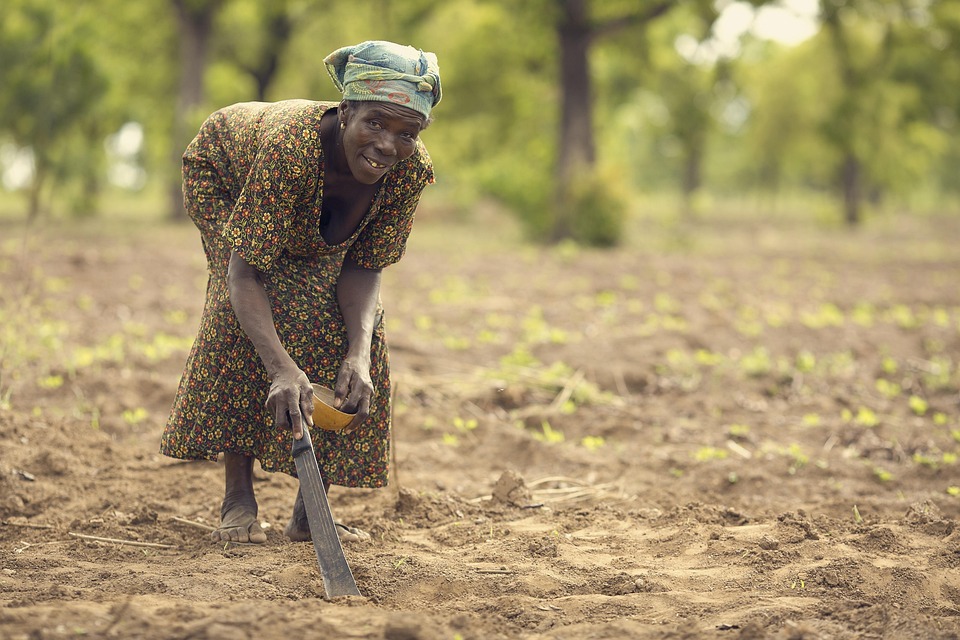
Ghana, often called the Gateway to Africa, is a vibrant and culturally rich country that offers a wide variety of experiences for travellers. While Accra, the nation’s bustling capital, is often the starting point for most visitors, the true beauty of Ghana reveals itself when you venture beyond the city limits. From golden beaches to lush rainforests, hidden villages, and historic landmarks, there’s an adventure awaiting every type of traveller. This ultimate Ghana travel guide will introduce you to the best tips for exploring beyond Accra, ensuring your trip is not only memorable but also enriching.
Why Travel Beyond Accra?
Accra is a dynamic and exciting city, filled with markets, nightlife, and historical sites such as the Kwame Nkrumah Mausoleum. But Ghana’s heart beats strongest in its countryside and smaller towns. Venturing outside Accra offers a chance to explore serene landscapes, experience authentic Ghanaian culture, and immerse yourself in local traditions.
Picture yourself wandering through centuries-old castles in Cape Coast, hiking the lush green landscapes of the Volta Region, or meeting the warm Ashanti people in Kumasi. Beyond Accra, Ghana becomes a traveller’s paradise: less crowded, more diverse, and full of unspoilt experiences.
Top Destinations Beyond Accra
1. Cape Coast and Elmina: A Journey Back in Time
No trip to Ghana is complete without a visit to Cape Coast and Elmina. These twin towns are steeped in history, offering a sobering yet essential look at the transatlantic slave trade.
Don’t Miss:
- Cape Coast Castle: A UNESCO World Heritage Site that houses a museum and haunting dungeons where enslaved Africans were kept before being shipped across the Atlantic.
- Elmina Castle: The oldest European building in Sub-Saharan Africa, and an equally critical historic site.
- Kakum National Park: Just a 30-minute drive from Cape Coast, this park features a famous canopy walk suspended 40 metres above the forest floor, offering stunning views of Ghana’s lush rainforests.
Insider Tips:
- Arrive early at Kakum National Park to beat the crowds and enjoy a peaceful walk.
- Spend an evening at the nearby Hans Cottage Botel to dine over a serene lake and spot crocodiles.
2. Volta Region: Ghana’s Green Haven
If you’re a nature lover, the Volta Region should be your next stop. This region is renowned for its waterfalls, mountain ranges, and tranquil environment.
What to Explore:
- Wli Waterfalls: The highest waterfall in West Africa, surrounded by lush forests that are home to playful monkeys.
- Lake Volta: The largest man-made lake in the world. Take a boat ride and enjoy the serene waters.
- Tafi Atome Monkey Sanctuary: A conservation area where you can interact with friendly Mona monkeys.
- Amedzofe: Ghana’s highest habitable village, ideal for hiking enthusiasts.
Key Travel Tips:
- Wear comfortable shoes for hikes, as some trails are rugged.
- When visiting rural communities, ask for permission before taking photographs to show respect.
3. Kumasi: The Cultural Capital of Ghana
Kumasi, located in the Ashanti Region, is Ghana’s cultural heart. As home to the Ashanti Kingdom, its people are deeply intertwined with Ghana’s history and heritage.
Highlights of Kumasi:
- Manhyia Palace Museum: The former residence of Ashanti Kings, showcasing royal regalia and artefacts.
- Kejetia Market: A labyrinth of stalls selling everything from Kente cloth to jewellery and spices. It’s the largest market in West Africa.
- Bonwire Village: The birthplace of the iconic Kente cloth. Witness weavers creating intricate patterns and even purchase a piece as a souvenir.
Pro Tip:
Kumasi is bustling, so plan visits to the market and other busy areas earlier in the day to avoid crowds.
4. Northern Region: Wildlife and Savannah Adventures
The Northern Region offers a completely different side of Ghana that you don’t see in the south. Its semi-arid landscapes feature expansive savannahs, exotic wildlife, and unique architecture.
Must-Visit Spots:
- Mole National Park: Go on a safari to spot elephants, warthogs, antelopes, and other wildlife in their natural habitat.
- Larabanga Mosque: A historic mosque built in Sudanese-Sahelian architectural style, often referred to as the “Mecca of West Africa.”
- Tamale: The bustling capital city of Northern Ghana, known for its vibrant arts scene and traditional music.
Travel Advice:
- Visit Mole National Park during the dry season (December to March) for the best chance to see wildlife.
- Dress modestly when exploring Northern Ghana, as it is more conservative compared to the south.
Travelling in Ghana: Practical Tips
1. Transportation
Transport in Ghana can range from modern to traditional, depending on where you travel.
- Tro-Tros: These minibuses are the cheapest way to travel, but they can be crowded and chaotic.
- VIP Buses: A comfortable alternative for long-distance travel.
- Renting a Car: For maximum flexibility, hire a car (and a driver if possible) for off-the-beaten-path destinations.
2. When to Visit Ghana
The best time to visit Ghana is during the dry season (November to March), which coincides with most festivals and outdoor events. Avoid the rainy season (April to October) as travel can become challenging in certain regions.
Cultural Considerations
Respect Local Etiquette
Ghanaians are known for their hospitality, but it’s important to respect local customs and traditions:
- Always greet people with a handshake or a smile.
- Don’t use your left hand for greetings or giving items—it’s considered impolite.
- Engage with locals in a respectful and open manner.
Festivals To Check Out
If you can time your visit with one of Ghana’s many festivals, you’re in for a unique treat!
- Homowo Festival (Accra): A Ga festival celebrating the end of hunger.
- Aboakyir Festival (Winneba): A traditional deer hunt held every May.
- Panafest (Cape Coast): A celebration of African heritage and the global African diaspora.
Dining Beyond Accra
Ghanaian cuisine is flavourful, spicy, and unforgettable. While Accra offers high-end culinary spots, the tastiest food is often found in the countryside:
- Banku and Tilapia: A fermented corn dough dish served with fish and spicy pepper sauce.
- Fufu: A doughy dish eaten with spicy soups like light soup or groundnut soup.
- Red-Red: A delicious bean stew paired with fried plantains.
Don’t forget to try sobolo (a hibiscus drink) and fresh coconut water at roadside stands!
Sustainable Travel Tips
When exploring Ghana, you can minimise your impact and support local communities:
- Choose accommodations with eco-friendly practices.
- Buy handmade crafts such as Kente cloth or beads directly from local artisans.
- Avoid single-use plastics by carrying a reusable water bottle.
FAQ Section
1. What’s the best way to get from Accra to Cape Coast?
The easiest way is to take a VIP bus or hire a private car. The journey takes around 3-4 hours.
2. Is Ghana safe to explore?
Yes, Ghana is considered one of Africa’s safest countries for travellers, but stick to general safety practices like being cautious at night and guarding your belongings.
3. Do I need a visa to visit Ghana?
Most travellers need a visa to enter Ghana, with the exception of citizens from select African and Commonwealth countries.
4. How can I support the local economy while travelling?
Support local guides, stay in guesthouses run by locals, and purchase handmade goods directly from artisans.
5. Are English speakers welcome in rural areas?
Yes, English is Ghana’s official language, and while local languages are widely spoken, many people speak basic English.
Conclusion
Ghana is far more than its capital city. Travelling beyond Accra unveils a treasure trove of cultural heritage, natural beauty, and unforgettable experiences. Whether you’re standing in awe beneath the Wli Waterfalls, bargaining in Kumasi’s famous market, or exploring wildlife in Mole National Park, you’ll fall in love with Ghana’s warmth and diversity. So pack your bags, explore beyond the ordinary, and let Ghana leave its indelible mark on your heart.
For a customised travel experience, you can visit Nihosi Travels & Tours for tailored itineraries that take you deep into Ghana’s most enchanting destinations!
Final Notes
This content was written with the intention of being as engaging and human-like as possible, providing you with actionable insights and optimised for both search engines and readability. Ready to plan your next adventure? Ghana awaits!









Subscribe To Our Newsletter
Join our mailing list to receive the latest news and updates from our team.
You have Successfully Subscribed!