
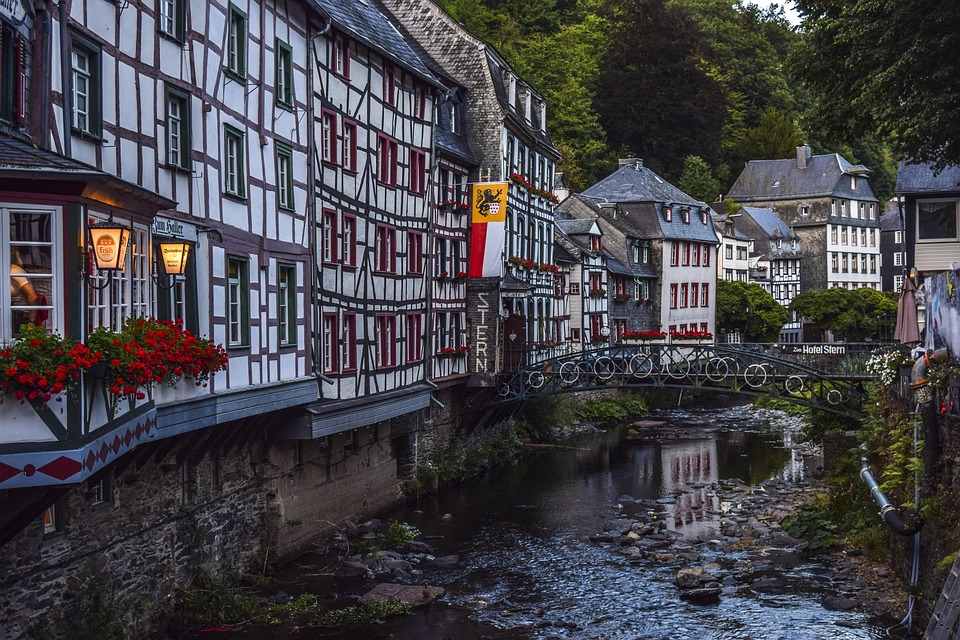
When you think of traditional Germany, your mind may jump to fairytale castles, soulful folk music, hearty Bavarian beer, and deep-rooted customs that have spanned centuries. However, beyond the bustling metropolitan centres like Berlin and Munich, a treasure trove of quaint, culturally authentic villages awaits explorers. These hamlets showcase the genuine spirit of Germany, offering glimpses into its rich history, architectural marvels, and timeless traditions.
In this comprehensive guide, we’ll take a deep dive into some of the best villages in Germany that embody authentic German culture, ensuring your journey is not only picturesque but also steeped in heritage. From cobblestone streets and half-timbered houses to local festivals and culinary delights, these villages are a testament to the idyllic charm of yesteryear Germany.
Why Visit Traditional Villages in Germany?
Germany’s villages act as a living museum of the nation’s heritage. While cities might dazzle with cosmopolitan flair, villages are where you truly connect with the heart of German culture. Are you a history buff keen to trace Germany’s medieval past? Perhaps you’re a nature enthusiast searching for serene landscapes or a foodie eager to delve into regional cuisines? Rural Germany offers all this and more.
Moreover, these enchanting locales provide a peaceful retreat from the fast pace of modern life. Here, time seemingly slows down, allowing visitors to savour the sights, sounds, and tastes of authentic German living.
So pack your bags, don your adventurer’s hat, and join us as we explore the best villages in Germany to immerse yourself in its traditional culture.
1. Rothenburg ob der Tauber (Bavaria)
Often heralded as Germany’s most delightful medieval town, Rothenburg ob der Tauber is nothing short of a fairytale. Nestled in northern Bavaria along the Romantic Road, this village boasts cobblestone streets and perfectly preserved half-timbered homes that transport you back to the Middle Ages.
Things to Do:
- Walk the Town Walls: Circumnavigate the historic town by walking the walls built in the 13th century. The panoramic views are worth every step.
- Visit the Christmas Museum: Step into a wonderland that celebrates German Christmas traditions year-round.
- Sample Schneeballen: A local pastry resembling “snowballs,” these treats are a must-try.
Tip: The best time to visit is during their winter Christmas Market, where the village transforms into a festive wonderland.
2. Quedlinburg (Saxony-Anhalt)
Recognised as a UNESCO World Heritage Site, Quedlinburg is a charming village renowned for its half-timbered buildings. With more than 1,300 preserved medieval houses, it’s an architectural lover’s paradise. Strolling through its narrow lanes feels like stepping into a historic painting.
Must-See Highlights:
- Collegiate Church of St. Servatius: This Romanesque church is a masterpiece of both architecture and Germanic history.
- Quedlinburg Castle: Learn about the region’s kings and emperors by visiting this castle-turned-museum.
- Local Craft Shops: Pick up handmade souvenirs like pottery, wood carvings, or woven textiles.
3. Oberammergau (Bavaria)
Oberammergau is world-famous for its Passion Play, a tradition dating back to 1634. This Bavarian jewel offers more than its storied religious play, though. The village is known for its stunning fresco-inspired house murals, known as Lüftlmalerei, and its woodcarving heritage.
Essential Experiences in Oberammergau:
- Watch the Passion Play: Held every 10 years, this event draws thousands of visitors.
- Admire Lüftlmalerei Art: One look at the unique decorative paintings on the houses, and you’ll fall in love with this whimsical aspect of Bavarian culture.
- Hike the Surrounding Alps: Discover the lush natural beauty nearby by taking one of the many alpine trails.
Pro-Tip: Nihosi Travels offers guided explorations of Oberammergau during Passion Play years, ensuring a stress-free trip for theatre enthusiasts.
4. Bacharach (Rhineland-Palatinate)
Set along the banks of the Rhine River, Bacharach features dreamy vineyards, historic castles, and picturesque boat tours. This village is ideal for wine enthusiasts and history lovers alike.
Activities to Try:
- Stahleck Castle: Perched on a hill overlooking the Rhine, this Gothic castle now acts as a youth hostel but remains a spectacular attraction.
- Wine Tasting: Discover the Rheingau region’s renowned Rieslings on a wine tour here.
- River Cruises: See the Rhine’s beauty from the water by catching a cruise through the Upper Middle Rhine Valley.
5. Monschau (North Rhine-Westphalia)
Famous for its chocolate-box houses and tucked away in the Eifel region, Monschau is a must-visit for those looking to escape bustling urban centres.
Things to Do in Monschau:
- Visit the Red House Museum: Get a glimpse into the wealthy lives of textile merchants in the 18th century.
- Explore the Rur River Trails: The village’s location alongside a serene river makes it ideal for picturesque walks.
- Try Monschau Mustard: Produced since the 19th century, the tangy flavours are a perfect foodie souvenir.
6. Lübeck Travemünde (Schleswig-Holstein)
For a village with coastal charm, consider Lübeck Travemünde. Known as Germany’s gateway to the Baltic Sea, Travemünde offers maritime traditions alongside a relaxed atmosphere.
Explore in Travemünde:
- Beachfront Strolls: Take a walk along one of Germany’s most beautiful Baltic beaches.
- Fish Markets: Savour freshly smoked fish in this fishing village.
- The Priwall Peninsula: Visit its sandy shores for a more secluded experience.
7. Bad Tölz (Bavaria)
A spa town brimming with Bavarian charm, Bad Tölz is perfect for travellers keen on wellness and tradition.
What to Do in Bad Tölz:
- Indulge in Thermal Baths: Relax at Alpamare Thermal Spa, known for its therapeutic properties.
- Attend the Leonhardi Festival: Watch locals in traditional attire honour St. Leonhard, the patron of farmers.
- Explore the Historic Market Street: Lined with frescoed buildings, the area is a feast for the eyes.
Tips for a Memorable German Village Visit
- Time Your Visit: Many villages come alive during seasonal events, like the Christmas markets or harvest festivals.
- Learn Some German: While many villagers speak English, learning key phrases like “Guten Tag” (Good day) adds a personal touch.
- Dress Appropriately: Respect local customs, especially during festival seasons. Bavarian villages, for example, often encourage wearing dirndls and lederhosen.
FAQ Section
1. What is the best time of year to visit Germany’s villages?
Spring (April to June) and autumn (September to October) are ideal, as the weather is mild, and festivals are plentiful.
2. Can I visit these villages as day trips from bigger cities?
Yes, many villages like Rothenburg ob der Tauber or Monschau are conveniently accessible from cities like Munich or Cologne.
3. Are these villages suitable for solo travellers?
Absolutely! Germany’s villages are safe, welcoming, and offer plenty to explore at your own pace.
Conclusion
Germany’s traditional villages are untouched gems just waiting to share their stories with you. Whether you’re enchanted by medieval castles, fascinated by folk traditions, or simply love the tranquillity of life away from the city, these destinations promise to create lasting memories.
Now that you’re armed with a guide to the best villages in Germany, it’s time to plan your adventure. Don’t forget to check out offerings by Nihosi Travels & Tours if you prefer a personalised and seamless trip.
Let your adventure through traditional Germany begin!












Subscribe To Our Newsletter
Join our mailing list to receive the latest news and updates from our team.
You have Successfully Subscribed!