
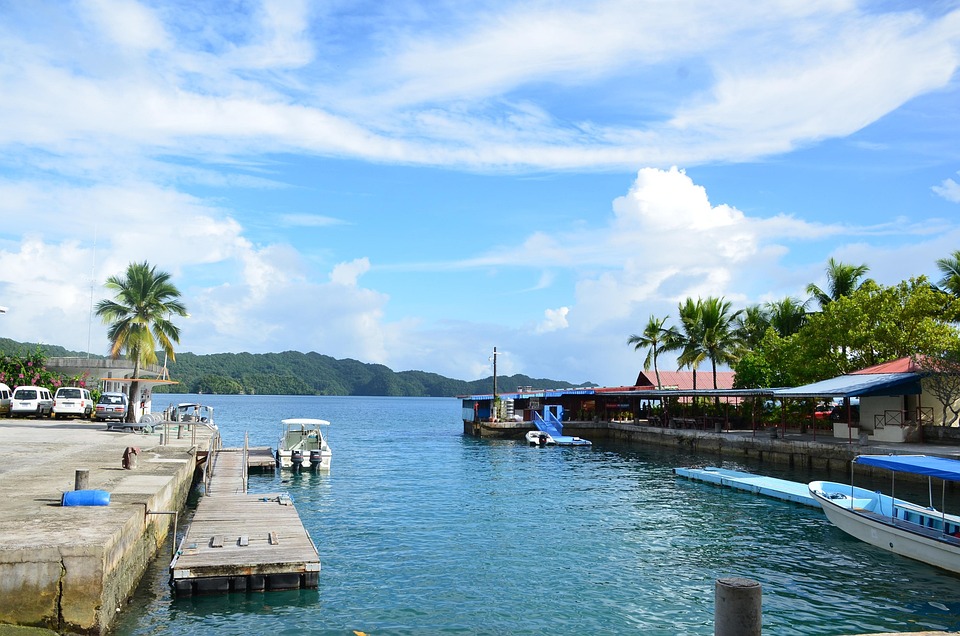
Nestled in the heart of the western Pacific Ocean, Palau is a small island paradise that often flies under the radar of mainstream travellers. But don’t let its unassuming size fool you. With dazzling waters, unique marine life, and a rich cultural heritage, Palau offers an unforgettable escape for adventure-seekers and nature enthusiasts alike. Whether you’re dreaming of secluded beaches or curious about sustainable tourism efforts, Palau should undoubtedly top your travel bucket list.
Here, we highlight ten fascinating facts about Palau that will not only capture your imagination but also inspire you to pack your bags for this stunning island destination.
1. Palau Is a Top Diving Destination in the World
If you’re an avid diver—or even a beginner—Palau is your ultimate underwater paradise. It’s no surprise that the island nation consistently ranks as one of the best diving destinations in the world. With over 1,400 species of fish and 500 species of coral, the biodiversity of its waters is simply mind-blowing.
Popular dive sites include Blue Corner, known for its abundance of sharks and manta rays, and the German Channel, where you can witness majestic manta rays in their natural habitat. Don’t miss Jellyfish Lake, a marine lake where millions of harmless golden jellyfish migrate daily—a phenomenon you can swim amongst!
Marine life here is so captivating that the famed National Geographic explorer Jacques Cousteau once described Palau as the world’s most beautiful diving spot for its teeming underwater biome.
2. It’s a Global Leader in Conservation
Palau is small in size but mighty when it comes to environmental conservation. In fact, Palau has pioneered some of the most forward-thinking eco-policies in the world. One of its most notable achievements is the establishment of the Palau National Marine Sanctuary, which bans fishing and mining activities across 80% of its territorial waters—an area roughly the size of Spain!
Furthermore, Palau was the first country in the world to introduce the Palau Pledge, an agreement that tourists must sign, promising to preserve and respect the island’s natural beauty. This includes pledging to avoid littering, damaging corals, or disrupting Palau’s fragile ecosystem. It’s inspiring to see a nation so passionate about protecting its environment!
Fun fact: Palau’s dedication to sustainability makes it one of the most eco-friendly tourist destinations in the world.
3. Palau Has One of the Richest Marine Ecosystems
Would you believe that Palau’s marine ecosystem is often compared to a living Noah’s Ark? Its waters are a biodiversity hotspot, home to rare and endangered species. The vibrant coral reefs here rank among the richest in the world, making Palau an essential stop for snorkelers and eco-conscious travellers.
Critically endangered hawksbill turtles, giant clams, and Napoleon wrasse are just a handful of the fascinating creatures you’ll encounter. Its lush underwater worlds have also earned it recognition as part of the UNESCO World Heritage Site list.
4. It Is a Nation of ‘Firsts’
Palau’s firsts don’t stop at the Palau Pledge and marine sanctuary. It was also the first country to ban reef-toxic sunscreens. Palau’s government realised the harm caused by chemicals like oxybenzone, which bleach coral reefs, and implemented a nationwide prohibition starting 2020.
This groundbreaking initiative is paving the way for other island nations to protect their coral reefs, further solidifying its role as a global advocate for sustainability.
5. The Rock Islands Are a Natural Wonder
The iconic Rock Islands are what postcards are made of—roughly 200 scattered emerald islets surrounded by turquoise lagoons. This labyrinth of limestone formations is part of the Rock Islands Southern Lagoon, a UNESCO World Heritage Site, and is arguably one of Palau’s most photogenic spots.
Kayaking through this unique maze of islands is one of the most immersive activities you can do, allowing you to explore secluded beaches and discover hidden caves. Plus, the views from the sky? Utterly mesmerising.
6. Palau Was Once an Important WWII Site
Did you know that Palau is steeped in wartime history? During World War II, Palau became a strategic site for battles between the United States and Japan. Today, visitors can explore remnants of that history through submerged aircraft, tanks, and wrecks scattered around places like Peleliu Island.
For history buffs, a visit to the Belau National Museum in Koror provides a deeper understanding of Palau’s wartime significance. The museum also highlights the resilience of the Palauan people throughout this tumultuous period.
7. It’s One of the Smallest Countries in the World
Covering just 459 square kilometres, Palau is one of the smallest nations on the planet. Incredibly, this tiny island nation is actually an archipelago encompassing around 340 islands! Despite its small size, Palau’s beauty and natural resources pack a significant punch.
Its diminutive geography makes it easy to explore multiple islands during your trip. Each island offers something unique, from the hustle and bustle of Koror (Palau’s largest city) to the remote tranquillity of Babeldaob.
8. Palau’s Culture Is Deeply Rooted in Tradition
Palau holds an incredibly rich culture, blending Pacific Island traditions with ancient practices that date back over 4,000 years. The Bai, or men’s meeting houses, play an important role in Palauan history and remain cultural centres for events and ceremonies.
If you’re visiting, make time to experience traditional Palauan dance performances and taste authentic local dishes like taro, fresh seafood, and bat soup—a delicacy for the adventurous foodie!
9. Seventy Islands Remain Untouched
A significant portion of Palau’s Rock Islands, known as the Seventy Islands, are completely off-limits to tourists. Declared a strictly protected nature reserve, this area exemplifies Palau’s devotion to preserving its flora and fauna.
Beautiful and mysterious, the untouched nature of these islands adds to the allure of Palau. Knowing that places like this still exist in today’s fast-changing world is deeply inspiring.
10. A Paradise for Adventure-Lovers
Beyond diving and snorkelling, Palau is brimming with activities for adrenaline junkies. From kayaking and paddleboarding over crystal-clear lagoons to jungle trekking on lush rainforests, there’s never a dull moment here.
One of the more unique experiences is hiking up Ngardmau Waterfall, the largest waterfall in Micronesia. The challenging trek through rugged forests is rewarded with a refreshing dip in its cascading waters.
Plan Your Trip with Nihosi Travels & Tours
Planning a trip to Palau can be overwhelming, but you don’t have to do it alone. Nihosi Travels & Tours is here to ensure your adventure is seamless and unforgettable. Specialising in eco-conscious travel, Nihosi Travels offers bespoke tours tailored to your interests—whether that’s underwater exploration, cultural immersion, or off-the-beaten-path discovery.
Final Thoughts
Palau is a destination like no other—a treasure trove of natural beauty, adventure, and mindfulness. From its pioneering eco-policies to its endearing culture and jaw-dropping landscapes, it offers something for every traveller to marvel at. Whether you’re chasing underwater wonders or looking to disconnect in serene surroundings, Palau has everything to inspire your wanderlust.
So, what are you waiting for? Add Palau to your travel plans and experience all that this unspoiled paradise offers. For more tips and travel inspiration, visit www.nihosi.com.
FAQ
1. Is Palau safe for tourists?
Yes, Palau is considered very safe for travellers. With a low crime rate and a strong focus on eco-tourism, it’s an ideal destination for solo travellers, couples, and families.
2. When is the best time to visit Palau?
The dry season from November to April is ideal for visiting Palau. This period offers the best weather for diving, snorkelling, and outdoor adventures.
3. Do I need a visa to visit Palau?
Visitors from most countries, including the US and EU, can get a visa on arrival for stays up to 30 days. Check with your local embassy for specific requirements.
4. What currency is used in Palau?
Palau uses the US Dollar (USD) as its official currency.
Remember to check out Nihosi.com for tailored travel experiences in Palau and beyond!










Subscribe To Our Newsletter
Join our mailing list to receive the latest news and updates from our team.
You have Successfully Subscribed!