
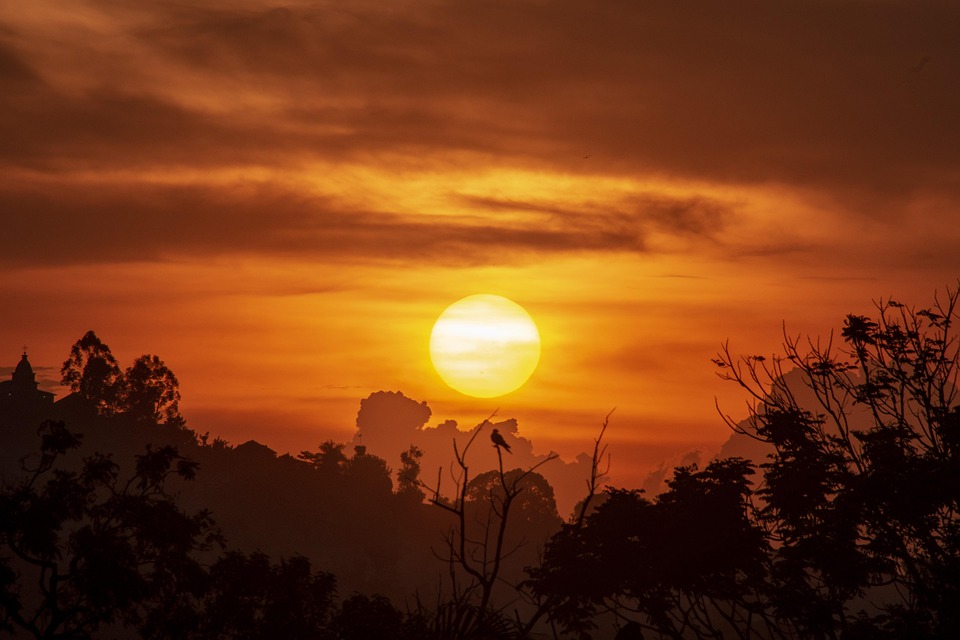
Uganda, also famously known as the Pearl of Africa, is a captivating land of breathtaking landscapes, abundant wildlife, and a rich cultural tapestry. Tucked in the heart of East Africa, it offers travellers a unique blend of adventure, serenity, and cultural encounters. Whether you’re captivated by the allure of the majestic mountain gorillas or enchanted by the thought of shimmering lakes and waterfalls, Uganda has everything to make your travel experience unforgettable.
In this ultimate guide, we’ll explore the top tips for discovering Uganda, from must-visit destinations and cultural insights to practical travel advice. Whether you’re a first-time visitor or a seasoned globetrotter, this article provides everything you need to know to ensure a seamless and memorable trip.
Why Visit Uganda?
Dubbed the Pearl of Africa for a Reason
The nickname “Pearl of Africa” was popularised by Winston Churchill after he marvelled at Uganda’s unmatched beauty, dense forests, and rolling green hills. The country is home to varied and dramatic landscapes, ranging from the snow-capped Rwenzori Mountains to expansive savannahs teeming with wildlife.
Biodiversity at its Best
One of the key reasons tourists flock to Uganda is its extraordinary biodiversity. It’s one of just three countries in the world where you can trek to see critically endangered mountain gorillas in their natural habitat. Additionally, Uganda is home to over 1,000 bird species, making it a haven for birdwatchers.
The People of Uganda
Ugandans are known for their warmth, hospitality, and vibrant culture. The country is made up of over 50 ethnic groups, each with its own traditions, languages, and cuisines. From the rhythmic beats of the Baganda dances to the agricultural traditions of the Karamojong, there’s plenty to learn about and appreciate.
Top Destinations in Uganda
1. Bwindi Impenetrable Forest National Park
This UNESCO World Heritage Site is a must-see for anyone visiting Uganda. Bwindi is home to roughly half the world’s remaining mountain gorillas. Gorilla trekking in the misty mountains is a once-in-a-lifetime experience that offers a deep connection to nature and wildlife.
Travel Tip: Gorilla trekking permits can sell out quickly, so plan and book your ticket months in advance. Permits cost $600–$700 depending on the season.
2. Queen Elizabeth National Park
Famous for its tree-climbing lions, the Queen Elizabeth National Park is one of Uganda’s most diverse wildlife reserves. The park boasts savannah plains, wetlands, and the stunning Kazinga Channel, where you can spot hippos, crocodiles, and buffalo during a boat safari.
Travel Tip: Opt for an early morning game drive to maximise your chances of spotting predators in action.
3. Lake Victoria and the Source of the Nile
Lake Victoria, the largest freshwater lake in Africa, is a serene destination ideal for relaxation, fishing, and water sports. In Jinja, you can also visit the Source of the Nile — a historical highlight for travellers. For thrill-seekers, white-water rafting on the Nile is an unbeatable experience.
Travel Tip: Jinja offers budget-friendly accommodations and ethical tourism options. Consider staying at eco-friendly guesthouses like Nile Porch Lodge.
4. Murchison Falls National Park
Known for the roaring Murchison Falls where the Nile River forces itself through a narrow gorge, this park is ideal for safari lovers. Game drives reveal giraffes, lions, elephants, and countless antelopes, while the falls themselves make for a dramatic spectacle.
Travel Tip: For an unforgettable experience, take a boat cruise to the base of the falls. It’s an excellent opportunity for photography.
5. Kibale National Park
Dubbed the primate capital of the world, Kibale is renowned for its chimpanzee tracking experiences. Visitors can get up close with our closest relatives while walking through lush rainforest trails.
Travel Tip: Chimpanzee tracking tours often include a pre-trek briefing. Wear sturdy boots, long sleeves, and insect repellent.
Practical Travel Tips for Visiting Uganda
When to Visit Uganda
Uganda is a year-round destination, but the best time to visit is during the dry seasons:
-
From December to February and June to September: These months are ideal for gorilla and chimpanzee trekking. The dry weather also helps with game viewing in the savannah parks.
-
Rainy Seasons (March–May and October–November): These months are better for birdwatching enthusiasts as migratory species are abundant.
How to Get Around
- Domestic Flights: Uganda has several domestic air operators offering flights to national parks and remote destinations.
- Car Rentals: A popular option for independent travellers, but note that roads in rural areas can become impassable during rains.
- Local Transport: Matatus (shared minivans) and boda bodas (motorbikes) are budget-friendly but may not always be the safest.
Currency and Tipping
- Uganda’s official currency is the Ugandan Shilling (UGX), but US dollars are widely accepted in hotels and safari lodges.
- Tipping is appreciated but not mandatory. Consider tipping 10% in restaurants and small amounts for guides, drivers, and porters.
Understanding Ugandan Culture
Uganda’s culture is as diverse as its landscapes. Each ethnic group contributes something unique, from music and dance to culinary traditions and ceremonies. Below are a few key cultural insights:
- Etiquette and Respect: Greetings are highly valued. A handshake accompanied by a friendly smile is the customary way to greet someone.
- Dress Code: While Uganda is generally informal, it’s best to dress modestly, especially in rural and religious areas.
- Food: Don’t leave Uganda without trying dishes like matoke (steamed plantains), luwombo (meat stew served in banana leaves), and Rolex (an omelette rolled in chapati).
Travel Tip: Many Ugandan dishes are vegetarian-friendly, making it easy for travellers with dietary restrictions to enjoy local cuisine.
Responsible Travel in Uganda
- Support Local Businesses: Purchase authentic crafts from local artisans to support the economy and avoid mass-produced trinkets.
- Respect Wildlife: Always maintain a safe distance from animals and refrain from feeding or disturbing them.
- Eco-Friendly Travel: Participate in eco-tourism activities to reduce your travel footprint. Many lodges and tour operators are involved in conservation.
FAQs About Visiting Uganda
1. Do I need a visa to enter Uganda?
Yes, most tourists require a visa to visit Uganda. You can apply for a Uganda eVisa online before your trip.
2. Is Uganda safe for tourists?
Uganda is generally a safe travel destination, but you should always remain vigilant and follow standard security precautions, such as avoiding nighttime travel and securing valuables.
3. What vaccinations are required for Uganda?
Vaccination for yellow fever is mandatory, and it’s recommended to get Hepatitis A, Typhoid, and Malaria prophylaxis.
4. Can I drink tap water in Uganda?
No, it’s safer to stick to bottled or boiled water to avoid any risk of waterborne diseases.
5. What is the best way to see the mountain gorillas?
Through a pre-booked gorilla trekking experience in Bwindi Impenetrable Forest or Mgahinga Gorilla National Park. Always book permits in advance.
Uganda exceeds expectations in every sense and offers something for every type of traveller. Whether you’re craving thrilling adventures, wildlife encounters, or tranquil lakeside retreats, you’ll find it all in the Pearl of Africa. With these tips in hand, you’ll be prepared to navigate Uganda’s wonders while remaining sensitive to its people, culture, and environment. Now, all that’s left is to pack your bags and embark on the journey of a lifetime!
For expert travel planning and customisable Uganda tours, check out Nihosi Travels & Tours. Ready to explore? Uganda is calling!











Subscribe To Our Newsletter
Join our mailing list to receive the latest news and updates from our team.
You have Successfully Subscribed!