
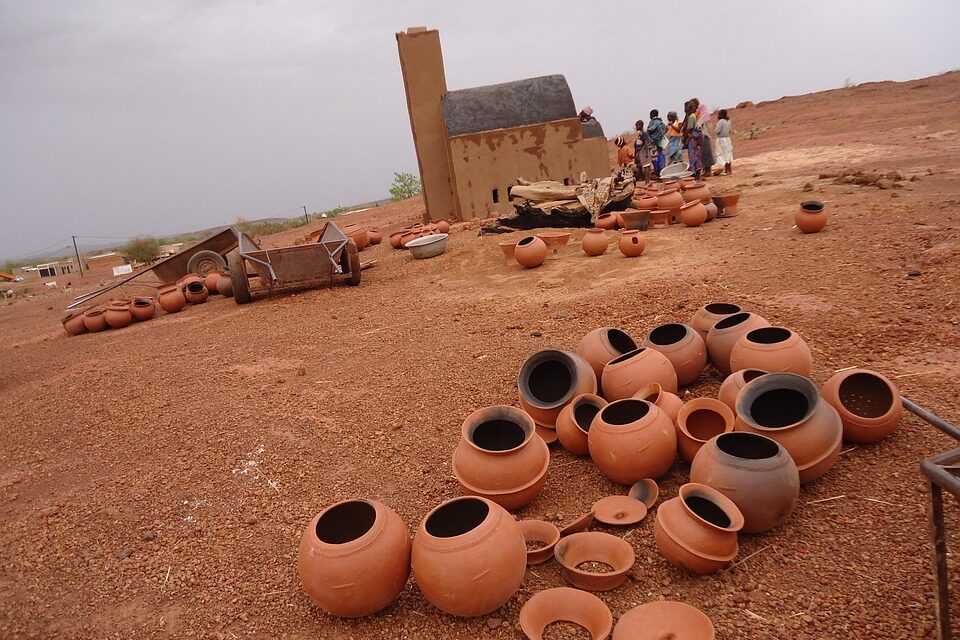
Explore the Heart of West Africa: Essential Travel Tips for Visiting Burkina Faso
When you think of West Africa, the rhythmic beat of drums, vibrant markets, and vast stretches of scenic landscapes might come to mind. Tucked within this vibrant region is Burkina Faso—an unexplored gem pulsating with rich cultural heritage, breathtaking natural wonders, and irresistible local charm. Not as frequented as its West African neighbours, Burkina Faso offers an authentic travel experience for the adventurous spirits looking to step off the beaten path.
Whether you’re seeking unique festivals, tranquil villages, or surreal landscapes, this country has something for everyone. In this guide, we’ll walk you through essential travel tips for visiting Burkina Faso that will help you make the most of your journey. Pack your bags, grab your travel diary and let’s dive into the heart of Burkina Faso.
Why Visit Burkina Faso?
Nestled amidst Mali, Niger, Benin, Togo, Ghana, and Côte d’Ivoire, Burkina Faso serves as an intriguing melting pot of African culture. From architectural wonders like the mud-and-stick mosques of Bobo-Dioulasso to the hypnotic sounds of traditional African music in Ouagadougou, the country offers both exploration and immersion.
So, why should you include Burkina Faso in your travel bucket list?
- Authentic Cultural Experiences: Unlike tourist-heavy destinations, Burkina Faso lets you experience unadulterated African traditions, especially in its local villages and bustling cities.
- Spirit of Hospitality: “Land of Honest People” isn’t just a slogan—it’s a testament to the warmth, kindness, and welcoming spirit of Burkina Faso’s locals.
- Unique Festivals: Don’t miss globally renowned events like the FESPACO Film Festival or the National Mask Festival of Dédougou, showcasing colourful dances and centuries-old traditions.
- Breathtaking Scenery: From the striking Sindou Peaks to the sweeping savannas, Burkina Faso is a paradise for photographers and nature lovers.
When to Visit Burkina Faso
Timing is everything, especially in West Africa. Burkina Faso experiences two primary seasons: the rainy season (June to October) and the dry season (November to May).
For most travellers, the best time to visit is during the cool dry season (November to February), when temperatures are moderate, making it easier to explore the various sites without discomfort. The dry season also coincides with many local festivals, ensuring your trip aligns with Burkina Faso’s vibrant cultural calendar.
Plan ahead and avoid the height of the rainy season (July to September), as some roads can become impassable, and outdoor exploration may be limited.
Visa and Entry Requirements
Before embarking on your journey, ensure you meet all entry requirements for Burkina Faso. Here’s a quick checklist:
- Visa: Most travellers, including those from the UK, require a visa to enter Burkina Faso. Apply at your nearest Burkinabe embassy or consulate well in advance.
- Passport Validity: Your passport must be valid for at least six months beyond your intended stay.
- Vaccination Card: A yellow fever vaccination certificate is mandatory, and you may need to present it upon arrival.
Pro tip: Research if additional vaccinations (like typhoid, hepatitis A/B, or meningitis) are recommended for your trip at least six weeks before departure.
10 Travel Tips for Visiting Burkina Faso
1. Learn Basic French
In Burkina Faso, French is the official language and is widely spoken in cities and towns. If you venture into remote rural areas, you’ll encounter native languages like Mooré or Dioula. Learning a few French phrases can go a long way in enhancing your interactions with locals.
Common phrases you’ll find handy:
- Bonjour (Good morning)
- Merci (Thank you)
- Combien ça coûte? (How much does it cost?)
While not mandatory, bringing a phrasebook or downloading a translator app can prove invaluable.
2. Respect Local Etiquette and Customs
Burkina Faso’s culture prioritizes respect, modesty, and community values. Here are a few cultural tips to keep in mind:
- Always greet people before starting a conversation. A simple “bonjour” works wonders!
- Dress conservatively, especially when visiting villages or religious sites. Women, in particular, should avoid wearing short skirts or revealing tops.
- Avoid showing public displays of affection, as these are considered inappropriate.
- When taking photos, always ask for permission. Some people, especially in rural areas, view unsolicited photography as intrusive.
3. Prepare for Cash Economy
While Ouagadougou and Bobo-Dioulasso may have ATMs, Burkina Faso largely operates on cash transactions. The official currency is the West African CFA franc (XOF), shared with other Francophone countries in the region.
Tips for managing your finances:
- Carry sufficient cash, especially when heading to rural or remote areas.
- Banks and currency exchanges can convert major currencies like USD or Euro into CFA francs.
- Keep small denominations for markets, vendors, and tipping.
4. Try the Local Cuisine
No trip to Burkina Faso is complete without indulging in its unique flavours. Staples include millet, rice, and sorghum, often served with delicious sauces, vegetables, or meat. Popular dishes you must try:
- Riz Gras: A satisfying rice dish cooked with tomatoes, onions, and meat.
- Poulet à la Sauce d’Arachide: Chicken served in a rich peanut sauce.
- Fried Plantains: A perfect snack or side for any meal.
Wash it down with some dolo, the traditional millet beer, or bissap, a refreshing hibiscus drink.
5. Visit National Parks and Natural Wonders
Burkina Faso boasts a diverse range of natural attractions waiting to be explored:
- Arly National Park: Home to elephants, lions, hippos, and buffalo, this park is a paradise for wildlife enthusiasts. Guided safaris are recommended for a safe and enriching experience.
- Karfiguéla Waterfalls: A tranquil spot near Banfora, perfect for escaping the heat and diving into stunning scenery.
- Sindou Peaks: These surreal rock formations in the southwest are a geological marvel you won’t want to miss.
6. Be Mindful of Health and Safety
When travelling in Burkina Faso, staying aware of your health and safety is crucial:
- Avoid drinking tap water—instead, stick to bottled or filtered water.
- Use insect repellent to protect yourself from mosquito-borne illnesses like malaria.
- Travelling in groups is safer, especially in remote areas.
- Keep your belongings secure in crowded places like markets.
Pro tip: Before travelling, register with your country’s embassy and monitor travel advisories for up-to-date information.
7. Get Familiar with Public Transport
Public transport in Burkina Faso includes buses, minibuses, shared taxis, and motorcycle taxis (known as “moto-taxis”). While affordable, they may not offer the same level of reliability you’re used to. Expect delays and embrace the fun challenge of navigating bustling stations.
If you prefer convenience, consider hiring a private car and driver, especially for rural exploration.
8. Plan for Connectivity Challenges
Wi-Fi access is generally limited to urban areas like Ouagadougou and Bobo-Dioulasso. Even then, internet speeds can often be slow. A great solution is to purchase a local SIM card from carriers such as Orange Burkina Faso or Telmob for mobile data.
9. Attend Festivals and Events
One of the best ways to immerse yourself in Burkina Faso’s culture is by attending its iconic festivals. Some notable ones include:
- FESPACO (Festival Panafricain du Cinéma et de la Télévision de Ouagadougou): The largest film festival in Africa, held every two years in February.
- Festival of Masks in Dédougou: A vivid celebration where dancers in traditional masks adorn the stage with elaborate performances.
10. Work with Local Tour Providers
To ensure a seamless journey, consider teaming up with local tour providers such as Nihosi Travels & Tours (www.nihositravels.com). Whether exploring remote villages or planning a safari adventure, local guides offer invaluable insights and help you maximise your experience.
FAQs about Travelling to Burkina Faso
1. Is Burkina Faso safe for tourists?
While Burkina Faso does face security challenges in some regions, many areas (particularly in the south and west) remain safe, especially with proper planning and guidance.
2. What currency does Burkina Faso use?
Burkina Faso uses the West African CFA franc (XOF). It’s advisable to carry cash, as credit card facilities are limited outside major cities.
3. What are the best places to visit in Burkina Faso?
Some must-visit destinations include Ouagadougou, the Sindou Peaks, Karfiguéla Waterfalls, and Arly National Park.
Visiting Burkina Faso is an adventure unlike any other. Its rich culture, serene landscapes, and vibrant energy are bound to leave you with unforgettable memories. For a stress-free journey, let local experts like Nihosi Travels & Tours help you create your perfect Burkinabe adventure!
Be ready to feel the rhythm of the heart of West Africa. Burkina Faso awaits!










Subscribe To Our Newsletter
Join our mailing list to receive the latest news and updates from our team.
You have Successfully Subscribed!