
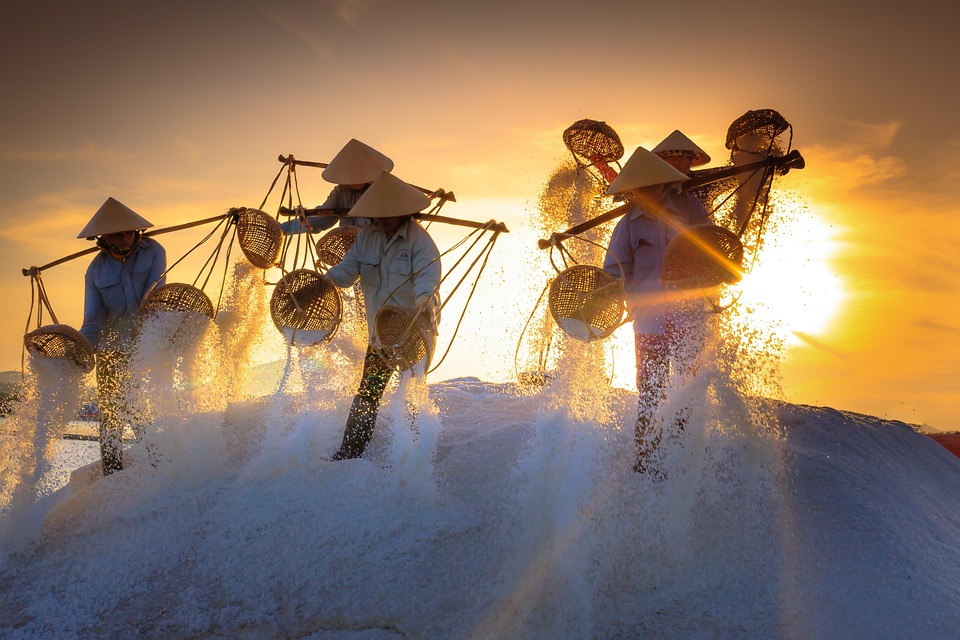
Vietnam, with its rich culture, diverse landscapes, and vibrant communities, is a traveller’s paradise. Many visitors opt for mainstream tourist spots like Ha Long Bay or Hội An, but to truly experience Vietnam, you need to dive deeper. Exploring Vietnam like a local allows you to experience the country authentically, soaking in its beautiful chaos, culinary magic, and untold stories away from the well-trodden paths.
Whether you’re planning your first trip or looking for hidden gems for your next adventure, this ultimate guide will give you all the actionable insights you need to discover Vietnam from a local’s perspective. From insider tips to offbeat destinations, let’s make your Vietnamese adventure unforgettable.
Why Explore Vietnam Like a Local? (H2)
Vietnam is as complex as it is captivating. While its major attractions are breathtaking, the real magic lies in the quiet rice paddies, bustling street markets, family-run eateries, and unfiltered countryside living.
Reasons to explore like a local:
- Cultural Immersion: Dive deeper into unique customs, traditions, and daily life.
- Budget-Friendly Travel: Local spots are often more affordable than tourist hubs.
- Authentic Connections: Meet locals genuinely, rather than through structured tourism.
- Hidden Gems: Discover places and experiences virtually untouched by mass tourism.
Embarking on this kind of cultural journey not only enriches your travel experience but also ensures that you truly get a feel for Vietnam’s diverse regions and nuanced charm.
When is the Best Time to Visit Vietnam? (H2)
Vietnam stretches over 1,600 km from north to south, resulting in varying climates by region. Timing your trip depends on the region you’re exploring:
- North Vietnam: For stunning views of terraced rice paddies in Sapa, visit between September and October. Hanoi and Ha Long Bay are great from March to April when spring temperatures are perfect for exploring.
- Central Vietnam: Beach towns like Da Nang and Hội An shine brightest from February to May, with warm, dry days. Avoid late fall, which is the region’s rainy season.
- South Vietnam: Ho Chi Minh City and the Mekong Delta are best explored during the dry season, from November to April, when humidity drops.
If you want to dodge crowds and snag some deals, consider travelling during off-peak months like May, June, or September.
Insider Tips for Travelling Vietnam Like a Local (H2)
1. Learn the Basics of Vietnamese Culture (H3)
Cultural respect is essential when visiting Vietnam. Small gestures like learning simple Vietnamese phrases can transform your experience.
Here are some basic phrases to get started:
- Xin chào (Hello)
- Cảm ơn (Thank you)
- Bao nhiêu tiền? (How much does it cost?)
- Không, cảm ơn (No, thank you)
Tip: Skip commercial souvenirs and invest in local handicrafts like silk scarves, woven baskets, or traditional ceramics. These support local artisans and provide meaningful mementos of your trip.
2. Ditch Chain Hotels for Homestays and Locally-Run Stays (H3)
Staying in a family-run homestay is one of the best ways to explore Vietnam like a local. Homestays offer an opportunity to live with locals and witness their daily routines while enjoying home-cooked meals.
Top Recommendations:
- Sapa: Hill-tribe homestays in Ta Van Village provide intimate views of life in the rice terraces.
- Mekong Delta: Stay in local stilt houses surrounded by lush water coconut groves.
- Phong Nha: Explore remote rural villages and caves by staying at a locally owned ecolodge.
3. Savour Authentic Street Food (H3)
Food is at the heart of Vietnamese culture, and nowhere captures its spirit like the streets. Forget the fancy restaurants and follow where the locals eat—it’s where you’ll find the true flavour of Vietnam.
Must-Try Dishes:
- Phở Bò: Vietnam’s iconic noodle soup (typically beef-based).
- Bánh Mì: Vietnamese baguette sandwiches stuffed with pâté, pickles, and fresh coriander.
- Bún Chả: Charcoal-grilled pork with vermicelli noodles, a Hanoi staple.
- Cà Phê Sữa Đá: Vietnamese iced coffee with condensed milk.
Head to bustling street corners or roadside vendors in Hanoi’s Old Quarter or Ho Chi Minh City’s District 1 for the best street food.
4. Travel by Motorbike for Ultimate Freedom (H3)
Renting a motorbike is one of the most authentic ways to explore Vietnam. It lets you access remote villages and breathtaking trails while travelling at your own pace.
Routes to Try:
- The Hai Van Pass: A scenic coastal road between Da Nang and Hue.
- The Ho Chi Minh Trail: A historical route that cuts through Central Vietnam’s mountain ranges.
- Northeastern Loop: Lesser-known mountain provinces like Cao Bang and Meo Vac feature mind-blowing karst landscapes.
Tip: If you’re not comfortable driving, hire a local motorbike guide or join reputable tour operators.
5. Go Off the Beaten Track (H3)
While spots like Ha Long Bay are famous for a reason, Vietnam has countless alternatives for savvy travellers.
Offbeat Destinations:
- Ba Be Lake: A peaceful escape tucked into the forests of North Vietnam. Perfect for canoeing or exploring caves.
- Pu Luong Nature Reserve: Ideal for trekking amidst terraced fields and authentic ethnic settlements.
- Con Dao Islands: Underrated tropical paradise with unspoiled beaches and historical sites.
- Ha Giang Loop: A dream for road trippers, this remote province brims with jaw-dropping landscapes.
What to Pack for Your Vietnam Adventure (H2)
Packing smartly is essential for seamlessly navigating Vietnam. Here’s a checklist:
- Comfortable clothing for humid weather, including breathable cotton and moisture-wicking fabrics.
- Light jacket for chilly mornings in mountainous areas like Sapa.
- Reusable water bottle (many areas offer water refill stations).
- Sunscreen, hats, and sunglasses for sun protection, especially in the south.
- Portable Wi-Fi or a local SIM card to stay connected during your journey.
Pro Tip: Carry a pair of waterproof shoes if you plan to visit during the rainy season!
Etiquette Tips Every Traveller Should Know (H2)
- Greet Respectfully: Bow slightly when greeting elders. Avoid firm handshakes unless initiated.
- Dress Modestly: When visiting temples, cover your shoulders and knees.
- Dining Manners: Avoid sticking chopsticks upright into a bowl of rice as it’s reminiscent of funeral offerings.
- Bartering Smiles: In markets, bargaining is an expected practice, but do so pleasantly and with a smile.
How to Travel Sustainably in Vietnam (H2)
As tourism booms, its environmental footprint grows. Here’s how you can explore responsibly:
- Support Local: Purchase handmade goods and choose local guides or businesses over large corporations.
- Reduce Plastic Use: Bring a reusable bag and refill water bottles.
- Eco-Friendly Tours: Opt for operators focused on sustainable tourism in regions like Ninh Binh and Pu Luong.
FAQs About Exploring Vietnam Like a Local (H2)
json
Final Thoughts on Exploring Vietnam Like a Local
Vietnam offers an infinite array of experiences for those willing to step off the beaten path. By embracing local life, living minimally, and seeking out raw, unpolished beauty, you’ll uncover a side of Vietnam that guidebooks won’t show you.
Ready to experience Vietnam like a true local? Start planning your journey today, and let the hidden wonders of this Southeast Asian gem captivate your heart.
For personalised trip assistance, visit Nihosi Travels & Tours for expert advice tailored to your travel style.
Meta Description: Discover how to explore Vietnam like a local with our insider tips and offbeat travel experiences. From street food to hidden gems, uncover authentic ways to immerse yourself in Vietnam’s vibrant culture!











Subscribe To Our Newsletter
Join our mailing list to receive the latest news and updates from our team.
You have Successfully Subscribed!