
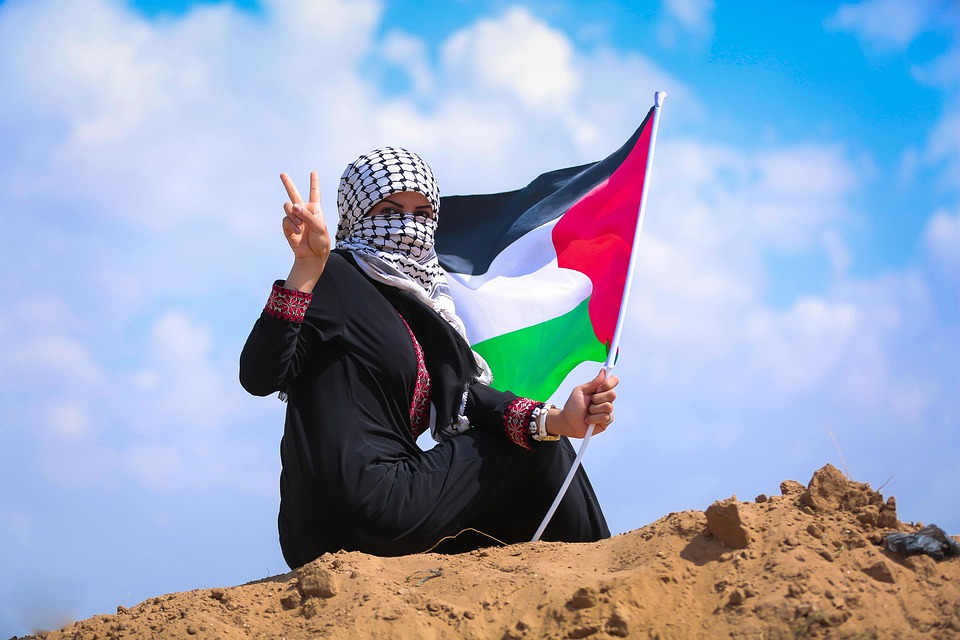
Palestine, a land steeped in history, culture, and natural beauty, is an enchanting destination that often promises more than meets the eye. While many travellers tend to flock to its iconic landmarks—like Bethlehem’s Church of the Nativity and Jerusalem’s Old City—there’s a hidden layer of Palestine waiting to be uncovered. This is the Palestine known, loved, and lived in by locals.
Are you ready to swap the beaten path for authentic, soulful travel experiences? Our guide is packed with insider tips, secret spots, and practical advice to help you explore the State of Palestine like a true local. From captivating culinary encounters to breathtaking off-the-grid gems, this journey will inspire your wanderlust while allowing you to connect meaningfully with this fascinating place.
Why Explore Palestine Like a Local?
Travelling like a local gives you an entirely new perspective on any destination. Rather than sticking to the traditional “tourist checklist,” you’ll immerse yourself in culture, interact with friendly and hospitable residents, and create unforgettable memories that typical itineraries might miss. In Palestine, travelling this way is especially rewarding, as the region offers deep connections through its rich traditions, vibrant markets, and serene landscapes.
By following our guide, you’ll not only enjoy better, more intimate travel experiences, but also contribute to local economies, respect cultural norms, and tread thoughtfully in a region bursting with heritage and identity. Let’s start discovering how to unlock the soul of Palestine.
Top Travel Tips for Visiting Palestine Like a Local
Before diving into the hidden gems and local favourites, understanding a few fundamental tips about travel in Palestine is crucial. These practical insights will help you maximise your trip, avoid common pitfalls, and travel respectfully.
1. Understand the Geography
Palestine is split into two key regions: the West Bank and the Gaza Strip. While the Gaza Strip is largely inaccessible due to political tensions, the West Bank is open for tourism and offers a wealth of experiences. Cities like Ramallah, Bethlehem, and Nablus are cultural hubs, while rural villages and countryside locations reveal a quieter side.
When exploring, navigation apps like Google Maps can be surprisingly unreliable. Use local recommendations and offline maps like Maps.me to avoid potential frustrations. It’s also advisable to hire local guides—they’re incredibly knowledgeable, and their insights can make a huge difference!
2. Respect the Local Culture
Palestinian people take pride in their traditions, and respecting local cultural norms is paramount. Here are some essential customs to be mindful of:
- Dress modestly, especially in rural or religious areas. For women, covering shoulders and avoiding above-the-knee clothing is appreciated.
- The customary greeting is a friendly “Marhaba” (hello), often accompanied by a smile.
- Hospitality is integral to Palestinian culture; don’t be surprised if locals invite you for tea or coffee. Accept graciously—it’s considered impolite to decline.
3. Immerse Yourself in Language
Arabic is the official language of Palestine, but many locals understand English to some degree, especially in urban areas. Learning a few Arabic phrases can go a long way in breaking the ice:
- “Shukran” (Thank you)
- “Salaam” (Peace / Hi)
- “Kam hatha?” (How much is this?)
- “Esmak eh?” (What’s your name?)
Not only will this endear you to local communities, but it will also deepen your cultural experience.
Secret Spots to Visit in Palestine
Instead of staying on the tourist circuit, carve out time for these elusive gems only locals seem to know about. From secluded parks to ancient ruins, these secret spots unveil Palestine’s true essence.
1. Sebastia: The Ancient Roman City You’ve Never Heard Of
A tiny but extraordinary village just 12 km northwest of Nablus, Sebastia boasts some of the most impressive Roman ruins in Palestine. Wander through the remains of ancient temples and an amphitheatre without the crowds.
Local tip: Visit the Sebastia Museum for a deeper dive into the area’s archaeological finds, and grab lunch at a family-owned restaurant like Al-Yasmeen, overlooking the panoramic landscape.
2. Battir: Where History Meets Sustainability
Recognised as a UNESCO World Heritage site, Battir is a picturesque village known for its ancient agricultural terraces. The locals here still use traditional methods of irrigation practiced for thousands of years.
Local tip: Take the hiking trail from Battir to Al-Walaja for breathtaking views and quiet countryside, or simply explore the village on foot.
3. Taybeh: A Toast to Local Craftsmanship
Home to Palestine’s only microbrewery, Taybeh is a charming Christian town nestled in the West Bank hills. Try their locally crafted beer while learning the fascinating story behind the brewery, which operates against all odds.
Local tip: Visit during the annual Taybeh Oktoberfest in late September—it’s a blend of local culture, music, and beer celebrations.
4. Al-Jib: An Oasis of Calm
Located just north of Jerusalem, Al-Jib is a timeless village with remnants of an ancient Canaanite reservoir. Surrounded by peaceful olive groves and ancient rock formations, this spot offers tranquillity away from urban chaos.
Local tip: Pack a picnic and enjoy it under the shadow of old olive trees overlooking the valley.
Authentic Palestinian Food You Can’t Miss
Exploring any destination wouldn’t be complete without experiencing its food. Palestinian cuisine is deeply tied to its land and resources, making it a feast of fresh, fragrant, and hearty flavours. Here’s where and what to eat like a local:
Must-Try Dishes:
- Musakhan – A traditional dish of roast chicken, sumac, olive oil, and caramelised onions atop taboon bread.
- Maqluba – Literally meaning “upside down,” this layered rice dish is flipped before serving and loaded with vegetables and meat.
- Zaatar Manakish – Breakfast doesn’t get better than this thyme-seasoned flatbread (try it with labneh).
Where to Eat:
- Al-Deira Restaurant (Gaza): Specialising in authentic coastal flavours with sweeping Mediterranean views.
- Hosh Al Yasmin (Ramallah): A homely spot serving Maqluba to perfection.
- Nablus’ Old City Sweets: Don’t forget the famous Knafeh, a cheese-filled dessert topped with crisp pastry and syrup.
Pro Tip: Avoid eating at overly commercialised places. Stick to family-owned eateries for a more homely and flavour-rich dining experience.
Insider-Recommended Activities Beyond the Norm
If you want to truly connect with Palestine, expand your itinerary beyond sightseeing. Here are unique opportunities for cultural immersion:
- Visit a Refugee Camp: Learn about the lives of Palestinians who reside in historic camps like Aida or Balata. Guided tours by organisations such as Lajee Center are incredibly eye-opening.
- Take a Dabke Dance Class: This traditional form of line dancing is full of rhythm and energy. Many cultural centres across cities offer drop-in classes for visitors.
- Stay in a Local Homestay: Platforms like Airbnb list delightful rural homestays in places like Battir. This gives you a chance to share meals and conversations with local families.
Travel Responsibly in Palestine
Travel in Palestine comes with opportunities to amplify your positive impact as a visitor. Here are a few ways to practise responsible tourism:
- Support Palestinian Businesses: Avoid big international chains as much as possible—shop from local artisans, dine at local restaurants, and hire local guides.
- Contribute to Awareness: Visit grassroots cultural organisations like Dar Al Kalima, which preserves Palestinian art and crafts.
- Mind Your Environmental Footprint: Dispose of waste carefully, and carry a reusable water bottle to reduce plastic waste.
FAQ: Exploring Palestine Like a Local
1. Is it safe to visit Palestine?
Yes, many areas in Palestine (particularly the West Bank) are safe for travel. However, keeping updated on news developments and seeking advice from locals is recommended.
2. What’s the best time to visit Palestine?
Autumn (September-November) and Spring (March-May) are ideal, offering mild weather and lush landscapes.
3. Do I need a visa to enter Palestine?
Visitors typically travel to Palestine via Israel, so it’s essential to check Israeli visa requirements in advance.
4. Are local guides recommended?
Absolutely, hiring a local guide not only enriches your experience but also supports the local economy.
5. What are some Palestinian souvenirs to take home?
Handcrafted olive wood carvings, Palestinian embroidery, and Dead Sea products make excellent keepsakes.
Ready to embark on an unforgettable adventure? Explore Palestine like a local and find hidden treasures and heartfelt connections waiting for you. Discover its stories, indulge in its flavours, and be inspired by its unshakable spirit! For more travel tips and recommendations, visit www.nihosi.com and start planning your journey today!
By incorporating local voices, respecting cultural nuances, and supporting ethical tourism, this guide aims to bring you closer to the soul of Palestine.











Subscribe To Our Newsletter
Join our mailing list to receive the latest news and updates from our team.
You have Successfully Subscribed!