
When it comes to exploring Africa, Mali often sits under the radar of many travellers. Yet, this unassuming West African gem is overflowing with a rich history, vibrant culture, and breathtaking landscapes that rival some of the world’s most iconic destinations. Whether you’re drawn to ancient architecture, majestic rivers, or colourful local traditions, Mali offers an unforgettable experience for both seasoned adventurers and curious first-timers.
In this guide, we’ll delve into Mali’s top attractions, offer valuable local insights, and share actionable travel hacks to help you make the most of your visit. From the Great Mosque of Djenné to the banks of the Niger River, let’s uncover why Mali should top your travel wishlist.
Why Visit Mali?
Nestled in the heart of West Africa, Mali is a country of contrasts. It boasts sprawling deserts, bustling urban centres, and serene rural villages. Visiting Mali means diving into a rich fusion of ancient African empires, Islamic influences, and traditional music. However, what truly sets Mali apart is the warmth of its people.
For centuries, Mali was home to some of the greatest African civilisations, such as the Mali Empire—once one of the richest empires in history under the leadership of Mansa Musa. Today, you can still feel traces of its storied past in the architecture, customs, and heritage of this remarkable nation.
Top Attractions in Mali
From jaw-dropping structures to natural wonders, these are some must-see spots when exploring Mali.
1. The Great Mosque of Djenné
The crown jewel of Mali is undoubtedly the Great Mosque of Djenné, a UNESCO World Heritage Site and the largest mud-brick structure in the world. This majestic building stands as a testament to the artistry of Malian masons and the influence of Islam in the region.
Every year, locals participate in a unique communal re-plastering event to protect the mosque from weather damage. Visiting during this time provides an immersive experience in Malian culture.
2. Timbuktu
Regarded as the legendary “City of Gold,” Timbuktu resonates with mystery and history. Known as a centre for Islamic learning and trade during the 14th and 15th centuries, Timbuktu still houses ancient manuscripts in libraries such as the Ahmed Baba Institute.
While much of its architecture is modest, the sense of stepping into a once-thriving intellectual and economic hub makes it a must-visit.
3. Bandiagara Escarpment & Dogon Country
The Bandiagara Escarpment, another UNESCO World Heritage Site, captivates visitors with its stunning cliffs and the adobe villages of the Dogon people. Walking through these communities, you’ll witness ancient traditions, intricate cosmogony, and fascinating cliffside burial sites.
Pro Tip: Plan a guided trek of several days to explore Dogon Country thoroughly. A local guide can share stories and ensure you adhere to local customs respectfully.
4. Hombori Mountains
For adventurous travellers, the Hombori Mountains provide an unforgettable hiking experience. The area is home to Mali’s highest peak, Mount Hombori (1,155m), and offers challenging trails combined with jaw-dropping views of the surrounding desert.
5. Niger River Journeys
The Niger River is Mali’s lifeline, weaving through the country and sustaining countless communities. A riverboat ride on the Niger is a serene escape where you’ll encounter colourful markets, fishermen casting nets, and quaint riverside villages.
Insider’s Tip: Opt for a traditional pinasse boat ride for an authentic experience. For those travelling in groups, arranging a private hire enhances the adventure.
6. Bamako: Mali’s Capital City
Don’t rush through Bamako during your visit. This bustling urban hub is a melting pot of modernity and tradition. Here, you can explore:
- The National Museum of Mali: Dive into exhibits featuring ancient artefacts, textiles, and traditional masks.
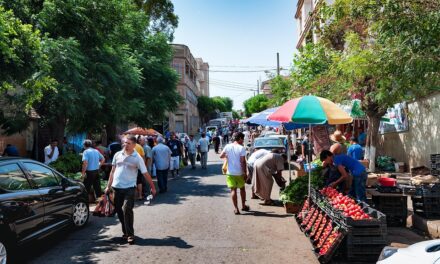
- Bamako Grand Market (Marché Rose): A sensory overload of vibrant stalls selling fabric, spices, and local goods.
- Nightlife and Live Music: Bamako is a hotspot for Afrobeat and traditional Malian music, with venues like the Hippodrome offering energetic performances.
Local Insights: How to Connect With Mali’s Culture
Travelling in Mali isn’t just about sightseeing—it’s an opportunity to connect deeply with its people and traditions. Here’s how you can immerse yourself:
a) Music is Everywhere
Mali is often referred to as the birthplace of African blues. The likes of Ali Farka Touré, Amadou & Mariam, and Salif Keita hail from this music-rich nation. Visit Segou, especially during its annual Festival on the Niger, to get a firsthand taste of Mali’s vibrant musical heritage.
b) Respect Local Customs
Most Malians practise Islam, and cultural norms often lean conservative. Dress modestly; for women, carrying a scarf to cover your head, particularly when visiting mosques or rural areas, is respectful. Always ask for permission before taking photographs of people, as some locals may have reservations.
c) Savour Malian Cuisine
Don’t leave Mali without trying local dishes like Tô (a millet-based dish), Jollof Rice, and Maafe (a peanut stew). For street food enthusiasts, grilled meat skewers known as brochettes are a must. Wash it all down with ginger juice or Malian tea, a drink symbolising friendship and hospitality.
Essential Travel Hacks for Mali
To ensure your trip goes smoothly, follow these actionable tips tailored for travellers in Mali:
1. Pack for the Weather
Mali has a desert climate, meaning hot days and cool nights. Light, breathable fabrics are essential for daytime exploration, but don’t forget a jacket for desert evenings.
2. Stay Connected with Local Guides
Navigating Mali can be tricky due to unpaved roads and limited signage. Local guides not only make travel easier but also enhance the experience with their insights and connections.
3. Visa Requirements
Most travellers will need a visa to visit Mali. Apply in advance through your nearest Malian embassy or consulate. Keep copies of your travel documents handy.
4. Health & Safety
- Vaccinations: Ensure you’re vaccinated against Yellow Fever and have up-to-date immunisations like Hepatitis A and Typhoid.
- Malaria Protection: Carry anti-malarial medication and use insect repellent, especially during evenings.
- Hydration: Always drink bottled water and avoid ice unless you’re certain it was made from filtered water.
5. Money Matters
The local currency in Mali is the West African CFA Franc (XOF). You’ll find limited access to credit card facilities outside cities, so carry cash for transactions in rural areas. ATMs are sparse, so withdraw a sufficient amount in larger towns like Bamako.
Sustainable Travel Tips
As a responsible traveller, you can help preserve Mali’s natural beauty and cultural heritage.
- Support community-run initiatives, such as local craft cooperatives.
- Respect cultural practices, such as dress codes or sacred sites.
- Minimise plastic waste by carrying your own reusable water bottle.
For guided tours that align with sustainable travel practices, consider booking through Nihosi Travels & Tours, known for ethical and eco-friendly itineraries across Africa.
FAQ Section
Below are some commonly asked questions about travelling in Mali, crafted to address your concerns and help with trip planning.
1. Is it safe to travel to Mali in 2025?
Mali has regions subject to political instability. Stick to secure areas like Bamako, Djenné, and Segou, and travel with reputable guides.
2. What is the best time to visit Mali?
The dry season (November to February) offers pleasant weather, making it ideal for exploring Mali’s attractions.
3. How can I get around in Mali?
Buses, taxis, and motorcycles are common in cities, but private 4×4 rentals are better for exploring rural areas.
4. Is Timbuktu accessible?
Reaching Timbuktu often requires flying to Mopti or taking a riverboat. Always verify travel routes for safety updates.
Final Thoughts on Visiting Mali
Mali is a country imbued with ancient mystique and unparalleled hospitality. While it may not yet be mainstream, its attractions speak to the hearts of adventurers craving meaningful experiences. By following our comprehensive guide and utilising expert services like Nihosi Travels & Tours, your journey to this West African wonderland can be smooth, enriching, and unforgettable.
Isn’t it time you packed your bags and let Mali’s magic inspire you?
Meta Description: Discover top attractions in Mali, from Timbuktu to the Great Mosque of Djenné. Explore insider cultural insights and travel hacks for an unforgettable journey.










Subscribe To Our Newsletter
Join our mailing list to receive the latest news and updates from our team.
You have Successfully Subscribed!