
How to Experience Authentic Colombian Culture Like a Local
When most people think of Colombia, they envision vibrant landscapes, coffee plantations, and the beat of salsa music echoing through the streets. But Colombia is much more than its postcard-worthy scenery or rhythmic nightlife—it’s a treasure chest of rich traditions, delectable cuisine, welcoming people, and a cultural vibrancy that leaves travellers in awe. If you want to explore the soul of this country and experience authentic Colombian culture like a local, it’s time to leave the tourist traps behind and embrace a deeper journey.
In this guide, we’ll take you step by step through the ways you can immerse yourself in Colombia’s local culture—from festivals and food to language and unique traditions. Whether you are planning your next adventure or simply considering Colombia as your next destination, this article will shine a light on how to truly connect with the Colombian lifestyle and make your stay unforgettable. So grab your notebook, and let’s dive in!
Why Colombia? A Land of Diversity and Warmth
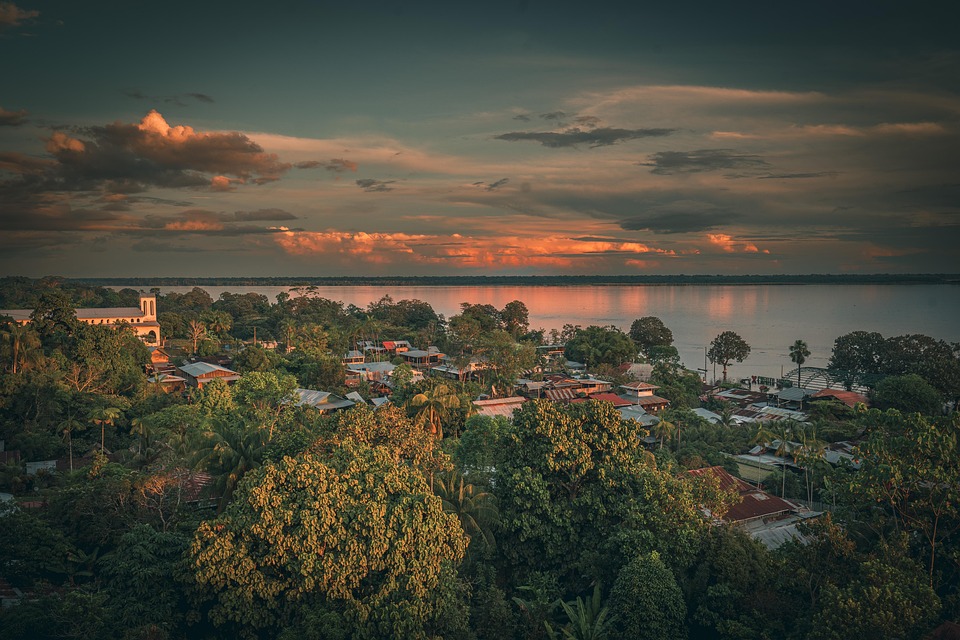
Before delving into the specifics, it’s essential to understand why Colombia stands out as a cultural gem. Colombia’s geography is incredibly diverse—think Amazonian rainforests, Andean peaks, Caribbean beaches, and rolling coffee landscapes. These varied regions have given birth to unique customs, dialects, and cuisines, making the country a fusion of Afro-Caribbean, Indigenous, and European influences.
But it’s not just the landscape that attracts adventurers. Colombians are renowned for their warm hospitality. It’s often said, “When you visit Colombia, you’re treated not as a guest, but as family.” And this basic tenet of respect, kindness, and openness sets the stage for experiencing the culture authentically.
1. Dive Into Colombia’s Food Scene
Food is the heartbeat of any culture, and in Colombia, it’s no different. Tasting local dishes is one of the simplest (and most delicious) ways to connect with the traditions and daily lives of the people.
Must-Try Dishes (Beyond the Obvious)
While many guidebooks will recommend classics like arepas or empanadas, there are far more hidden gems to discover:
- Bandeja Paisa: This massive platter, a hallmark of the Paisa region (think Medellin and surrounding cities), is a feast of rice, beans, plantain, meat, chorizo, and more.
- Ajiaco: A hearty chicken and potato soup from Bogotá, often paired with cream and capers.
- Lechona: Slow-roasted stuffed pig filled with rice—perfect for communal celebrations.
- Lulada: A refreshing drink made from lulo fruit, especially popular in Cali.
Want to eat like a local? Skip touristy restaurants and head to the mercados (local markets). Places like Bogotá’s Paloquemao Market or Medellin’s Mercado Minorista offer authentic dishes at unbeatable prices.
Pro Tip: For a deeper cultural experience, try a cooking class where locals teach you how to recreate Colombian favourites. Not only will you learn about the food—you’ll also hear the stories and traditions tied to each dish.
2. Celebrate the Festivals
Colombians know how to throw a party, and their festivals are a testament to this fact. These events are a fantastic window into regional traditions, music, costumes, and artistic expressions. Here are a few must-attend festivals:
- Barranquilla Carnival (Carnaval de Barranquilla): Second in size only to Rio’s Carnival, this UNESCO-recognised event in Barranquilla is a spectacular four-day celebration of culture, parades, and folklore.
- Feria de las Flores (Flower Festival): Taking place in Medellin, this vibrant festival combines floral displays, horseback parades, and concerts.
- Festival de la Leyenda Vallenata: Held in Valledupar, this festival is dedicated to the traditional Vallenato music with accordion as its centrepiece.
- Black and White Carnival (Carnaval de Negros y Blancos): Celebrated in Pasto, this colourful festival showcases unity among Colombians through elaborate masks and dances.
To experience these celebrations like a local, consider connecting with residents beforehand. Platforms like Couchsurfing, Facebook travel groups, or local guides (e.g. Nihosi Travels) are excellent for meeting a welcoming host who can bring you behind the scenes.
3. Learn the Language and Slang
Learning Spanish is an obvious step to truly engaging with Colombians. But diving into regional slang (jerga) will elevate your ability to connect with locals. Every region in Colombia has unique expressions that reflect their character and humour.
Common Expressions:
- “¿Qué más?” – A casual way to say, “What’s up?”
- “Bacano” – Something awesome or cool.
- “Parce” – A friendly term for “dude” or “buddy.”
- “Coger el bus” – Despite how it sounds to English speakers, this simply means “to take the bus.”
Want to pick up more slang? Spend time with locals in casual settings—whether at coffee shops, bars, or salsa clubs. Apps like Tandem or Google Translate can be helpful, but nothing can replace real-life practice.
4. Dance to the Rhythm of Colombia
Colombia is a country where rhythm is life. To blend in culturally, learning at least the basics of dance is essential.
Three Popular Dance Styles:
- Salsa: Cali is known as the salsa capital of the world. Head to clubs like Zaperoco for a dance night or take lessons to elevate your moves.
- Cumbia: A traditional Afro-Indigenous dance with slow and graceful spins.
- Champeta: This vibrant Afro-Caribbean style originated on the coast, often paired with infectious beats and high-energy moves.
The best way to learn isn’t via YouTube tutorials but by hopping onto the dance floor at local clubs. Don’t worry if you have two left feet—Colombians are happy to guide you through the rhythms with a laugh and a smile.
5. Explore the Neighbourhoods Like a Local
Skip the overly touristy hubs and dive into Colombia’s authentic residential areas. In Bogotá, discover the bohemian charm of La Candelaria; in Medellín, interact with local artists in Comuna 13, an area transformed through creative street murals. Take public transit where possible to really feel the pulse of daily life.
6. Coffee Culture: Beyond the Cup
Colombia is synonymous with coffee, but experiencing Colombian coffee culture goes far beyond sipping a cup. To truly appreciate this cornerstone of Colombian life, consider visiting the Eje Cafetero (Coffee Axis). Tour local plantations, where you can learn about each step of the cultivation process—from bean to brew.
Pro Tip: Order your coffee the Colombian way: Ask for tinto (a small, strong black coffee) or café con leche (coffee with milk).
7. Respect Local Traditions and Values
Lastly, understanding Colombia’s deeply rooted traditions and values is vital. For example:
- Colombians value politeness. Always say gracias (thank you) and por favor (please).
- Family is central to life. You’ll notice that weekends often revolve around extended family gatherings.
FAQs About Experiencing Colombian Culture
What is the best way to meet locals in Colombia?
Engage with locals by attending community events, shopping at neighbourhood markets, or joining group tours hosted by Colombian guides.
Is it safe to explore Colombia independently?
Yes! While some areas may require extra precautions, major cities like Medellín, Bogotá, and Cartagena are safe for travellers. Always exercise common sense and stick to well-lit areas.
What are the top three things not to miss in Colombia?
- Attend a local festival.
- Visit a coffee plantation.
- Dance salsa in Cali.
Conclusion
Experiencing authentic Colombian culture like a local is not about how many landmarks you check off a tourist list—it’s about stepping into the shoes of Colombians, sharing in their joys, eating at their tables, and moving to their rhythm. From food and festivals to language and traditions, each step you take off the beaten path will expose you to the real essence of Colombia.
So pack light, bring your open heart, and let Colombia guide you through an unforgettable cultural journey. When you explore with curiosity and respect, the country will welcome you like an old friend.
Discover more travel insights and tips for connecting deeper with destinations at www.nihosi.com.
(Published via WordPress by Nihosi Travels. Content optimised for SEO using Rank Math.)












Subscribe To Our Newsletter
Join our mailing list to receive the latest news and updates from our team.
You have Successfully Subscribed!