
Eco-Adventures in Costa Rica: A Traveler’s Guide to Sustainable Exploration
Nestled in the heart of Central America, Costa Rica is a tropical haven for eco-enthusiasts, nature lovers, and adventurous travellers seeking meaningful, sustainable experiences. The country’s overwhelming natural beauty, incredible biodiversity, and strong commitment to conservation make it a leading destination for eco-tourism. Imagine wandering through lush rainforests, taking part in community-led initiatives, witnessing majestic wildlife in their natural habitat, and knowing that your adventures have a positive impact on the planet.
In this comprehensive guide, we’ll walk you through everything you need to know to curate the ultimate eco-friendly itinerary in Costa Rica. From sustainable travel tips and must-visit attractions to eco-lodges and local initiatives, here’s your roadmap to a greener, guilt-free adventure.
Why Choose Costa Rica for Eco-Tourism?
Costa Rica, often referred to as the green jewel of Central America, is synonymous with environmental consciousness. Approximately 26% of the nation is designated as protected reserves, national parks, or wildlife refuges, making it one of the most eco-friendly countries in the world. This small, biodiverse country has successfully embraced sustainable travel through education, conservation, and a concerted focus on renewable energy—over 99% of its electricity comes from renewable sources.
Whether you’re trekking its volcanoes, diving in coral-rich waters, or simply relaxing in sustainable accommodations, Costa Rica makes it easy to put eco-tourism principles into practice. After all, travelling responsibly here isn’t just a possibility but a way of life.
Ready for an eco-adventure of a lifetime? Let’s dive deeper!
Top Eco-Adventure Activities in Costa Rica
1. Explore Costa Rica’s National Parks
Costa Rica has 29 national parks, each teeming with natural wonders. These protected regions offer visitors a chance to reconnect with untouched ecosystems while contributing to their preservation through entrance fees. Here are some must-visit eco-destinations:
-
Corcovado National Park (Osa Peninsula): Referred to by National Geographic as “the most biologically intense place on Earth,” this park is home to jaguars, sloths, scarlet macaws, and more. Join a guided tour to learn about its biodiversity and ongoing conservation efforts.
-
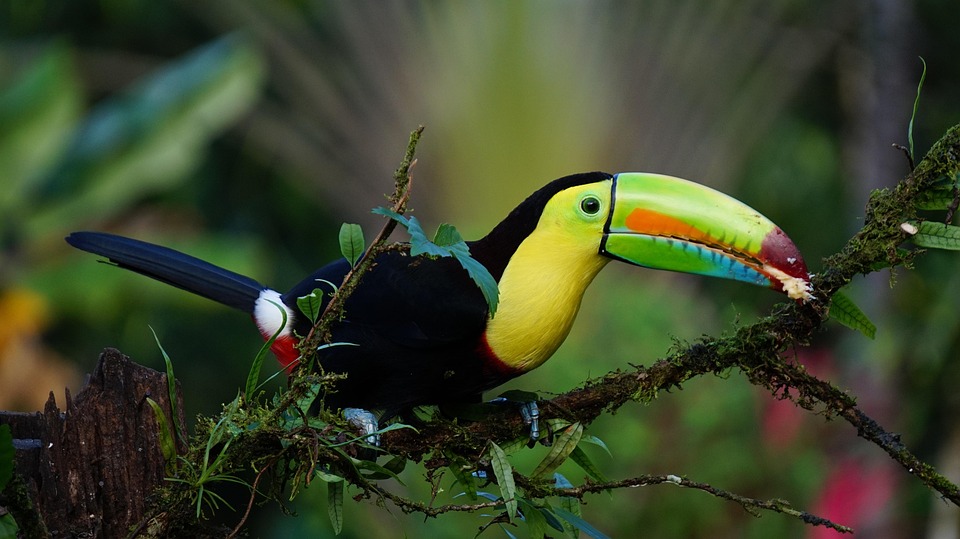
Manuel Antonio National Park: Perfect for a mix of wildlife exploration and relaxation. Stroll the trails to encounter capuchin monkeys, iguanas, and toucans before taking a dip in its idyllic beaches.
-
Arenal Volcano National Park: Beyond its iconic volcano, this park boasts hot springs, hiking routes, and diverse flora and fauna thriving in the rainforest.
By choosing to visit these areas, you actively contribute to the ongoing conservation of Costa Rica’s natural heritage.
2. Sustainable Wildlife Encounters
For animal lovers, Costa Rica offers opportunities to engage with wildlife in their natural environment rather than artificial captivity. Ethical wildlife tours operate under strict guidelines to ensure minimal human interference.
-
Tortuguero National Park: A prime nesting site for sea turtles. Time your visit during the nesting season (July–October) and witness the magical sight of turtles laying their eggs.
-
Monteverde Cloud Forest Reserve: Famous for its ethereal mists and rare species, such as the resplendent quetzal. Opt for bird-watching tours led by local conservation experts.
-
Osa Peninsula’s Golfo Dulce: Spot humpback whales and dolphins in one of the world’s only tropical fjords. Book a sustainable, small-group tour to minimise environmental impact.
3. Adventure Activities in Harmony with Nature
Costa Rica is an outdoor playground for thrill-seekers, offering countless ways to explore its pristine landscapes while staying eco-conscious:
-
Ziplining through Rainforests: Fly through treetops in an exhilarating experience that allows you to appreciate the forest from a unique perspective. Many tour operators, such as Sky Adventures, employ sustainable practices.
-
Kayaking and Paddleboarding: Navigate Costa Rica’s rivers (such as Rio Celeste) or ocean waters while leaving a minimal carbon footprint.
-
Hiking and Volcano Climbing: Trails like Cerro Chirripó reward hikers with panoramic views and unique wildlife sightings. Guided tours often include environmental education components, enriching your experience.
Sustainable Accommodation Options in Costa Rica
An eco-friendly adventure would be incomplete without staying at one of Costa Rica’s outstanding eco-lodges. Many accommodations prioritise sustainable practices, such as solar energy use, water conservation systems, and sourcing food locally.
Eco-Lodges to Consider:
-
Pacuare Lodge: Nestled amidst the rainforest and built with sustainable materials, this lodge is accessible only by raft, ensuring minimal environmental disruption.
-
Lapa Rios Eco Lodge: Overlooking the Osa Peninsula, this lodge is celebrated for its carbon-neutral practices and dedication to conserving neighbouring rainforests.
-
Rancho Margot: A self-sufficient farm and retreat near Arenal Volcano. It offers workshops on sustainable living, teaching visitors the value of reducing waste and living off the land.
When booking, verify certifications like CST (Certification for Sustainable Tourism) or Rainforest Alliance Certified™ to ensure your choice aligns with eco-friendly principles.
Supporting Local Communities Through Travel
Sustainable travel in Costa Rica is as much about people as it is about the environment. Supporting local artisans, family-run tour operators, and community projects fosters economic growth and helps preserve traditional culture.
Key Ways to Support Local Communities:
-
Visit Indigenous Reserves: Immerse yourself in the culture of the Maleku or Bribri tribes by participating in their guided cultural tours.
-
Shop at Local Markets: Pick up handcrafted souvenirs like pottery or woven goods instead of mass-produced items. Check out markets such as Mercado Central in San José.
-
Volunteer Opportunities: Organisations like ASVO enable travellers to assist in reforestation, marine preservation, or education projects while on holiday.
Practical Tips for a Sustainable Trip
- Pack Smart: Bring reusable items like water bottles, bamboo utensils, and eco-friendly toiletries to reduce single-use plastics.
- Travel Off-Season: Visiting during the green season (May–November) reduces overtourism and helps support local businesses during quieter periods.
- Offset Your Carbon Footprint: Look into programmes like CarbonFund.org to compensate for the emissions from your flight.
- Stick to the Trails: When hiking or exploring, stay on designated paths to avoid damaging delicate ecosystems.
- Learn & Respect: Educate yourself about Costa Rica’s wildlife and cultural norms to ensure you’re leaving only positive footprints.
The Role of Eco-Tourism Companies
Ethical travel operators play a significant role in ensuring Costa Rica maintains its eco-friendly reputation. For instance, companies like Nihosi Travels & Tours specialise in designing itineraries that prioritise sustainability. Whether you’re looking for a guided trekking adventure, a family-friendly nature escape, or a hands-on volunteer experience, partnering with eco-conscious providers amplifies your positive impact.
Is Costa Rica Ready to Be Your Next Destination?
Costa Rica is more than just a country; it’s a global example of how responsible tourism and conservation can intertwine. With its dedication to protecting the environment, empowering local communities, and offering life-changing experiences, Costa Rica provides a blueprint for sustainable exploration.
So, what are you waiting for? Start planning your trip, pack your eco-friendly essentials, and embrace the spirit of “Pura Vida” as you embark on an unforgettable adventure that won’t just inspire you but leave the world a better place.
Frequently Asked Questions (FAQs)
1. What is eco-tourism in Costa Rica?
Eco-tourism in Costa Rica focuses on sustainable travel by balancing nature conservation, community involvement, and minimising environmental impact.
2. When is the best time for eco-adventures in Costa Rica?
The dry season (December–April) offers favourable weather, while the green season (May–November) features lush landscapes and fewer tourists.
3. Can eco-tourism in Costa Rica help local economies?
Absolutely. Travellers who prioritise local businesses, eco-lodges, and cultural tours directly support community well-being.
Ready to immerse yourself in Costa Rica’s unparalleled eco-adventures? Let Nihosi Travels & Tours help you craft a trip that empowers both you and the planet. It’s time to reconnect with nature like never before—one eco-friendly step at a time.












Subscribe To Our Newsletter
Join our mailing list to receive the latest news and updates from our team.
You have Successfully Subscribed!