
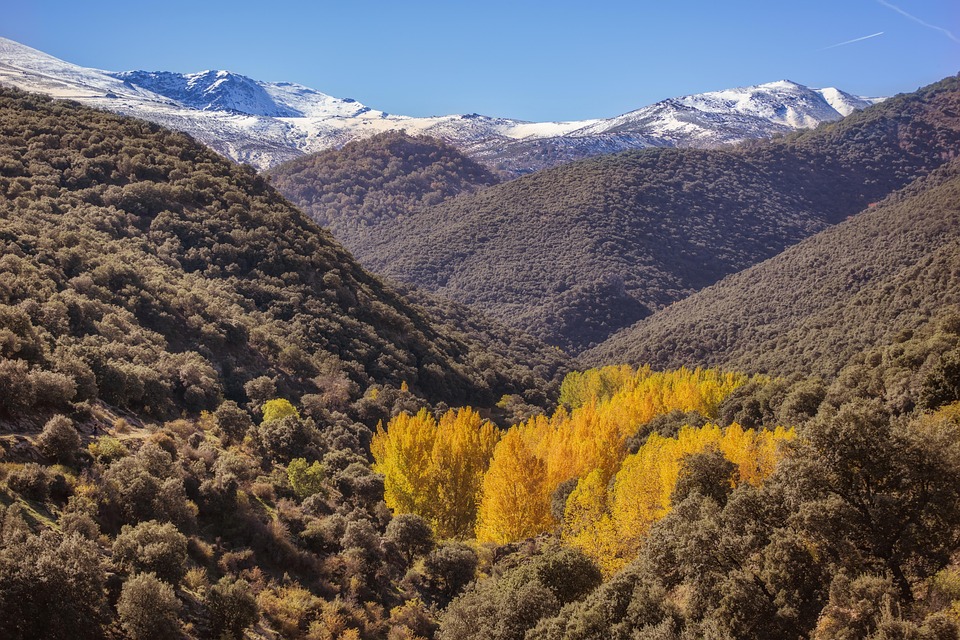
Sierra Leone is a gem in West Africa, often overshadowed by its more popular neighbours. However, this beautiful country has an abundance of untapped wonders, offering a mix of breathtaking beaches, rich culture, lush rainforests, and historical landmarks. Whether you’re a nature enthusiast, a history buff, or simply looking for an off-the-beaten-track adventure, planning your dream trip to Sierra Leone will be unforgettable. Here’s an in-depth, expert guide crafted just for you.
Why Visit Sierra Leone?
Often referred to as the “Land of Iron and Diamonds,” Sierra Leone is more than just its stunning natural resources. It’s a country steeped in an incredible blend of cultures and traditions, where the warmth of the people matches the vibrancy of its landscapes. From its pristine beaches along the Atlantic Ocean to the lush hills where chimpanzees roam freely, this West African destination is a traveller’s delight.
Key Highlights of Sierra Leone:
- Immaculate Beaches: Lumley Beach, Tokeh Beach, and River Number Two Beach are paradise-like stretches of sand that rival tropical locations like the Maldives.
- Ecotourism and Wildlife: Visit Outamba-Kilimi National Park for a chance to spot elephants, pygmy hippos, and over 300 bird species.
- Historical Significance: The former British colony was one of the focal points of the transatlantic slave trade. Historic landmarks like Bunce Island and the Cotton Tree in Freetown hold stories of resilience and freedom.
- Cultural Diversity: Experience traditional West African music, dance, and cuisine.
Let’s unpack how to make your trip to Sierra Leone as seamless, enjoyable, and memorable as possible.
What to Know Before Visiting Sierra Leone
1. When Is the Best Time to Visit Sierra Leone?
Sierra Leone enjoys a tropical climate with two main seasons: the dry season (November to April) and the rainy season (May to October). To make your trip more comfortable, plan your travel between December and March, when the dry weather allows you to explore freely without rain-soaked days.
2. Visa Requirements
Most travellers, including UK, US, and EU citizens, require a visa to enter Sierra Leone. You can apply for a visa-on-arrival or choose to process it ahead of time through your local Sierra Leonean embassy. Ensure your passport is valid for at least six months beyond your travel date.
3. Health and Vaccination Guidelines
Health is an essential aspect when planning a trip to Sierra Leone:
- Vaccinations: Proof of Yellow Fever immunisation is mandatory. Consider Hepatitis A, Malaria prophylaxis, and Typhoid vaccines as well.
- Health Tips: Drink bottled or boiled water and avoid consuming raw foods to steer clear of tropical infections.
4. How to Get There
The easiest way to reach Sierra Leone is by air, landing at Lungi International Airport (FNA) in Freetown. Major international airlines like Brussels Airlines and Turkish Airlines connect Sierra Leone with Europe, while regional airlines offer connections across Africa. From Lungi Airport, you can take a water taxi, hovercraft, or private ferry to reach Freetown.
Must-Visit Destinations in Sierra Leone
While Sierra Leone is packed with amazing attractions, certain places deserve a spot on every traveller’s itinerary. Below are the top must-see locations you’ll want to explore during your visit:
1. Freetown
The capital city is a bustling mix of history and modernity. Freetown offers a gateway into Sierra Leone’s soul with its vibrant markets, lively nightlife, and historical sites:
- The Cotton Tree: An iconic landmark tied to Sierra Leone’s history of freed slaves in the late 1700s.
- National Museum: Delve into Sierra Leone’s cultural and historical artefacts.
- Lumley Beach: Perfect for relaxing, enjoying local seafood, and experiencing the city’s nightlife.
2. Banana Island
Just off the coast from Freetown lies Banana Island, a tranquil retreat. Ideal for snorkelling, kayaking, and exploring the local fishing villages, it’s a must for adventurers and serenity-seekers alike. Stay in eco-lodges and enjoy fresh seafood against a serene island backdrop.
3. Tiwai Island Wildlife Sanctuary
This island located on the Moa River is a biodiversity haven, home to rare primates like Diana monkeys and over 135 bird species. Guided tours provide a deeper understanding of Sierra Leone’s unique fauna.
4. Tacugama Chimpanzee Sanctuary
Just outside Freetown, this sanctuary is committed to protecting one of Sierra Leone’s endangered species: the chimpanzee. Visitors can take educational tours to learn about the country’s conservation efforts and see chimps up close in their natural habitat.
5. Outamba-Kilimi National Park
A highlight for ecotourists, this park features rolling savannahs, forests, and the Kilimi River. Spot elephants, hippos, and vibrant birdlife during guided safaris or canoe tours.
6. Bonthe and Sherbro Island
Steeped in colonial history, Bonthe offers ancient churches and old creole-style architecture, drawing history enthusiasts. Sherbro Island, on the other hand, is a secluded beach paradise perfect for unwinding.
Practical Travel Tips for Sierra Leone
To make your adventure a smooth one, here are some expert travel tips:
1. Currency
The local currency is the Sierra Leonean Leone (SLL). Carry cash in smaller denominations, as shops in remote locations might not have change. ATMs are limited outside Freetown, and credit card payments are not widespread.
2. Transportation
Public transport options include poda-podas (shared minivans), motorbike taxis, and ferries. However, for safety and convenience, hire a private driver or pre-arranged taxi, especially when venturing outside major cities.
3. Accommodation
Sierra Leone offers a mix of budget-friendly guesthouses and upmarket eco-lodges. Some standout options include:
- The Place at Tokeh Beach: A luxurious resort ideal for beach lovers.
- Lakka Beach Resort: Budget-friendly and close to pristine waters.
- Daltons Banana Guesthouse: Perfect for a stay on Banana Island.
Discover the Local Culture and Cuisine
No trip to Sierra Leone is complete without experiencing its warm hospitality and unique culinary flavours.
1. Cultural Festivals
Plan your visit around cultural festivals like the Bundu Mask Festival, showcasing traditional Sierra Leonean rituals, music, and storytelling.
2. Delicious Food to Try
Savour dishes like cassava leaves, jollof rice, groundnut soup, akara (bean cakes), and fresh lobster from the coast.
Sustainable Travel: Supporting Sierra Leone’s Growth
Sustainable tourism is essential for Sierra Leone’s recovery post-civil war and post-Ebola outbreak. By staying in eco-friendly accommodations, hiring local guides, and purchasing locally made souvenirs, you support community development and conservation efforts.
FAQs About Visiting Sierra Leone
Below are some common queries travellers have about planning a trip to Sierra Leone:
1. Is Sierra Leone safe for tourists?
Yes, Sierra Leone is safe for tourists. While petty crime can occur, exercising standard precautions ensures a comfortable trip.
2. What are the must-pack essentials for Sierra Leone?
Pack lightweight clothing, a rain jacket, travel-friendly snacks, insect repellent, sunscreen, and a universal adapter.
Why Choose Nihosi Travels & Tours?
If planning your itinerary feels overwhelming, let Nihosi Travels & Tours take the wheel. As experts in boutique experiences, they provide customised tours that allow you to explore Sierra Leone authentically while ensuring comfort and safety.
Final Thoughts
Sierra Leone is the hidden treasure of West Africa, ready to welcome open-hearted adventurers seeking untouched beauty and vibrant culture. With expert preparation and an adventurous spirit, your dream trip to Sierra Leone will leave you with memories to last a lifetime.
Happy travels!
Start planning your dream trip today with Nihosi Travels & Tours for exclusive, tailor-made experiences across stunning Sierra Leone.










Subscribe To Our Newsletter
Join our mailing list to receive the latest news and updates from our team.
You have Successfully Subscribed!