
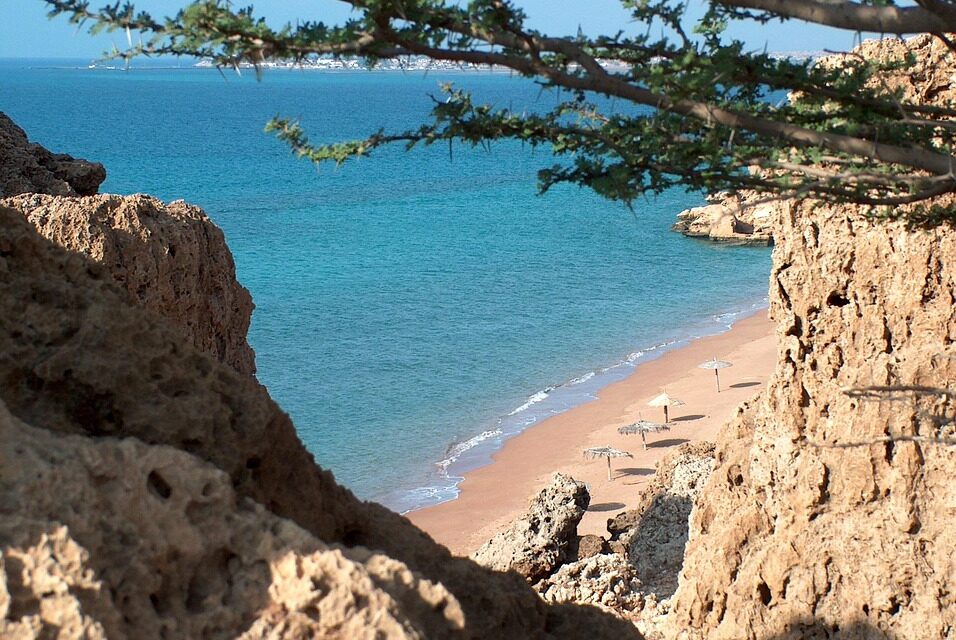
Why Djibouti is Africa’s Best-Kept Secret for Nature Enthusiasts
Hidden away in the northeastern corner of Africa, Djibouti is a small yet captivating nation that has remained largely untouched by the throes of mass tourism. With its dramatic landscapes, unique biodiversity, and incredible geological formations, Djibouti is nothing short of a paradise for nature enthusiasts. It’s a country where primitive volcanic terrain contrasts beautifully with lush marine ecosystems, where desert vistas meet emerald lakes, and where surreal experiences await those craving adventure.
But what truly makes Djibouti “Africa’s Best-Kept Secret for Nature Enthusiasts”? Let’s dive in and uncover its wonders through an authentic lens, backed by actionable insights for your next great trip.
1. The Untamed Beauty of Djibouti’s Landscapes
From the moment you set foot in this East African gem, you’re met with terrains that are both mesmerising and otherworldly. While many countries boast one or two prominent natural attractions, Djibouti holds a wealth of them within its compact borders.
Lake Assal: Africa’s Saltiest Lake
Nestled 155 metres below sea level, Lake Assal is one of the lowest points on Earth and undoubtedly one of Djibouti’s most iconic sights. Surrounded by volcanic ridges and shimmering hot salt flats, it’s a destination that offers both stunning visuals and a unique experience.
The water at Lake Assal contains ten times more salt than seawater—so buoyant that you can simply float atop it effortlessly. For any nature lover, the lake is a must-see, with its kaleidoscope of blues, whites, and earthy tones creating a natural masterpiece.
Tip: Visit at sunrise or sunset to avoid the midday heat and capture the lake in its most photogenic light.
The Martian Landscapes of Lac Abbé
Ever dreamed of stepping onto a different planet? Well, Lac Abbé might just fulfil that fantasy. Located right on the border of Djibouti and Ethiopia, this surreal landscape features towering limestone chimneys that emit geothermal steam into the air—the entire area feels suspended in time. Pair this with wandering flocks of flamingos, and you get a setting unlike any other on the planet.
For the ultimate experience, camp near the lake to witness the eerie magic of sunrise when the steam creates a hauntingly beautiful glow across the plain.
Did You Know? The landscapes of Lac Abbé served as inspiration for the post-apocalyptic terrain in the 1968 film Planet of the Apes.
2. Djibouti’s Remarkable Biodiversity
Despite its arid appearance, Djibouti is teeming with life in unimaginable ways—a haven for nature-enthusiasts devoted to wildlife and marine exploration.
Marine Wonders in the Gulf of Tadjoura
Djibouti’s waters are home to an astonishing diversity of marine species. Whether you’re an avid diver, snorkeler, or just a fan of aquatic wildlife, a trip to the Gulf of Tadjoura guarantees unforgettable underwater encounters.
One of the standout spectacles here is the opportunity to swim with whale sharks, the gentle giants of the ocean. These enormous creatures can often be spotted in the gulf between November and January.
Diving Hotspots
Djibouti boasts an array of pristine dive sites, including:
- Ras Korali Reef: A thriving coral reef bustling with colourful fish and vibrant underwater life.
- The Seven Brothers Islands: These islands offer top-notch dive experiences with volcanic drop-offs, caves, and tunnels populated by manta rays, turtles, and reef sharks.
Pro Tip: Always book your marine wildlife encounters or dive tours with eco-conscious operators to help preserve these fragile underwater ecosystems.
Terrestrial Fauna and Rare Species
On land, Djibouti offers wildlife enthusiasts yet another treasure chest to explore. From the distinctive Somali wild ass to Djibouti’s own endemic bird species—like the Djibouti Francolin—this region is alive with creatures that are as rugged as the landscape itself.
Hikers and trekkers will be delighted by the country’s national parks, such as Day Forest National Park, a highland forest that hosts unique plant species and rare antelope varieties, like the Soemmerring’s gazelle.
Actionable Insight: As many of these species are vulnerable due to habitat loss, consider joining eco-tours led by local experts to learn about sustainable conservation efforts.
3. A Geologist’s Playground: The Rift Valley and Beyond
Djibouti sits at the epicentre of a massive geological event. The country is where three tectonic plates—the African, Arabian, and Somali plates—are slowly pulling apart, forming the unique terrain many visitors marvel at today.
The Great Rift Valley
The phenomenon of the Great Rift Valley is perhaps best showcased in Djibouti. Here, you can witness the Earth’s crust literally being stretched and torn, resulting in volcanic plateaus, gaping fissures, and expansive desert plains.
For geology lovers, it’s an opportunity to study the raw power of the Earth at work. Don’t miss hiking through Basaltic rock formations or exploring active geysers and hot springs in areas like the Ardoukoba volcano.
Experience Tip: Hire a local guide to explore these treacherous but rewarding landscapes—they’ll offer historical context and ensure your safety.
4. Engaging Local Culture and Hospitality
While Djibouti’s nature takes centre stage, its warm and hospitable people add another layer of richness to the experience. With influences from Somali, Afar, Arab, and French cultures, the country’s diversity extends beyond its environment to its people, traditions, and cuisine.
Afar Culture and Nomadic Heritage
To truly immerse yourself in Djibouti, venture into the inland territories to meet the Afar people—proud nomads of the desert whose traditions date back centuries. Their connection to the land is palpable, and their mastery over the harsh environment speaks volumes about human resilience.
Interactive Experiences:
- Join shepherds as they guide livestock across ancient trade routes.
- Sample traditional dishes like Fah-Fah (a vibrant goat stew) while chatting with locals about their lives.
Visiting these communities is not just an adventure—it’s a window into a way of life that has withstood the test of time.
5. Practical Travel Tips for Exploring Djibouti
To make the most of your journey, take note of these practical tips tailored specifically for nature enthusiasts:
- Transportation: 4×4 vehicles are ideal for navigating the rocky and desert terrains.
- Best Travel Time: Visit between November and February for cooler weather.
- Stay Hydrated: With scorching daytime temperatures, especially in summer, adequate hydration is a must.
- Local Guides: Enlist local experts to help you explore the country’s wilderness safely and gain insightful knowledge about its ecosystems.
6. Why Choose Nihosi Travels & Tours for Your Djibouti Adventure?
Exploring Djibouti is best done with professionals who understand the local terrain and culture. Nihosi Travels & Tours (www.nihositravels.com) offers curated, eco-friendly packages designed to immerse you in the country’s unparalleled natural beauty.
From tailor-made itineraries to guided trek experiences and luxury camping at Lake Assal and Lac Abbé, Nihosi ensures your adventure remains sustainable, safe, and unforgettable.
Tip: Book early, especially during the peak whale shark season, as spots tend to fill up quickly.
FAQs About Exploring Djibouti
1. Is Djibouti safe for travellers?
Yes, Djibouti is considered one of the safest countries in East Africa, particularly for tourists exploring its natural reserves. Always consult local travel advisories before your trip.
2. Can I swim in Lake Assal?
Swimming in Lake Assal is not ideal due to its high salt content, but you can enjoy floating on the surface—just be sure to rinse off after!
3. What’s the best way to get to Lac Abbé?
Lac Abbé is a remote region best accessed via guided 4×4 tours. Be prepared for rough terrain and ensure your trip is well-planned.
Djibouti isn’t just a destination—it’s a revelation. Whether it’s the surreal landscapes, incredible biodiversity, or the warmth of its people, this East African gem offers experiences that stay with you long after you leave. For nature lovers seeking places off the beaten path, Djibouti firmly holds its place as Africa’s best-kept secret.
So, why wait? Start planning your adventure today—and discover the majesty of a country as unique as Djibouti itself.










Subscribe To Our Newsletter
Join our mailing list to receive the latest news and updates from our team.
You have Successfully Subscribed!