
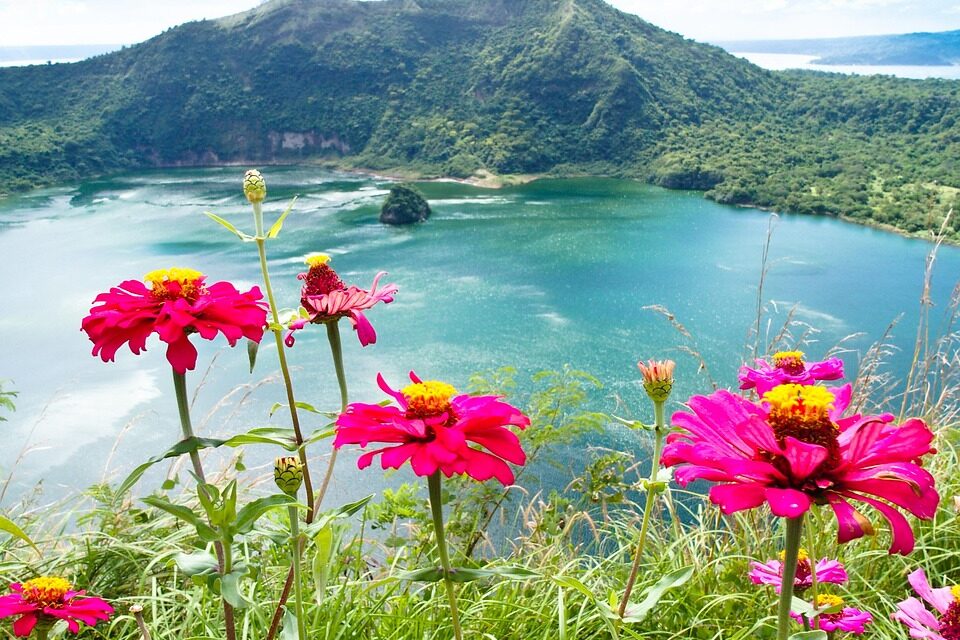
The Philippines is a sparkling gem in Southeast Asia that sits proudly as one of the most loved tropical destinations in the world. While most people know of famous spots like Palawan, Boracay, and Cebu, there’s so much more to this archipelago’s 7,641 islands than what meets the eye. Whether you’re an adventurer seeking raw culture, a beach bum looking for serenity, or a foodie craving flavours you’ve never tasted before, you’ll discover that the Philippines is a treasure trove of hidden gems and unique experiences.
In this article, we’ll dig into some of the lesser-known islands, extraordinary activities, and invaluable travel tips, all geared towards making your Philippine adventure unforgettable.
Exploring Hidden Islands in the Philippines
The Philippines is often synonymous with pristine beaches, but where do you go if you want to trade the tourist-laden mainstays for boundless, unspoiled beauty? Let’s explore the untapped marvels:
1. Romblon: The Marble Capital with Stunning Shores
When you think of marble, you probably wouldn’t associate it with beaches. Romblon, however, is famous not just for its artisanal marble but also for lush green landscapes and dreamy shorelines. Carabao Island, often dubbed the quieter cousin of Boracay, boasts sugar-white beaches without the massive crowds. Here, you can snorkel in crystal-clear waters, hike scenic trails, and even explore caves such as Cathedral Cave.
Travel Tip:
The best time to visit Romblon is during the dry season, from November to May. Ferries from Batangas Port are the most common way to get there. Don’t forget to try marble souvenirs as they’re considered world-class yet affordable.
2. Siquijor: The Mystical Island of Healing
Known as the “Island of Witches” by locals, Siquijor holds a reputation steeped in mysticism and folklore. Don’t let the legend deter you; with waterfalls like Cambugahay Falls, coral reefs, and a distinctly laid-back vibe, it offers a one-of-a-kind travel experience. Adventurers can dive into caves or swim with turtles, while wellness enthusiasts will appreciate the local tradition of herbal healing.
Unique Experience:
Attend the annual Healing Festival held during Holy Week, where traditional healers, or albolarios, showcase their mystical arts—a fascinating mix of culture and spirituality.
3. Balabac: A Tropical Paradise Like No Other
Located at the southernmost tip of Palawan, Balabac is a true untapped paradise that’s just beginning to attract intrepid travellers. Home to endless sandbars like Onuk Island and Punta Sebaring, this place offers turquoise seas so vivid they almost seem unreal. Be sure to bring a waterproof camera for some jaw-dropping underwater photos!
Insider Tip:
Tourism here is still largely undeveloped, so pack accordingly (cash, food supplies, and personal essentials). For transportation, hire local boat guides to island-hop like a pro.
4. Camiguin: The Island Born of Fire
For those who crave a mix of adventure and tranquillity, Camiguin is a unique spot to explore. Boasting more volcanoes than towns, its geography is nothing short of fascinating. Highlights include the submerged cemetery, a haunting yet beautiful Instagram-worthy destination, and White Island, an offshore sandbar perfect for watching golden sunsets.
Pro Tip:
The Lanzones Festival, held every October, celebrates the island’s sweet lanzones fruit. This event features parades, dances, and vibrant decorations—a cultural highlight for tourists and locals alike.
Unique Cultural Experiences in the Philippines
Culture in the Philippines is a colourful mishmash of centuries-old traditions, Spanish colonial influences, and modern practices. Here are some treasures to uncover:
1. Festivals Galore
Filipinos love a great party, and their festivals (locally known as fiestas) are a massive testament to their fun-loving spirit. Make sure to time your travels around these major festivals:
- Ati-Atihan Festival (Kalibo): A tribal-inspired celebration in honour of the Santo Niño (Child Jesus).
- Sinulog Festival (Cebu): Featuring vibrant costumes, street dancing, and an island-wide fiesta atmosphere.
- Pahiyas Festival (Quezon): Witness homes adorned with bright agricultural produce to give thanks for the harvest.
2. Traditional Weaving in Abra
The northern province of Abra is famous for traditional handwoven textiles made by indigenous peoples. Known as abel, these fabric designs reflect cultural stories and rituals passed down for generations. Visiting a local weaving community provides not just a chance to purchase authentic souvenirs but also a glimpse into a practice deeply rooted in Filipino history.
3. Immersion in the Cordillera Region
Among the rolling foggy hills of Banaue and Sagada, you’ll find both natural beauty and cultural richness. Spend time among the Ifugao people, the custodians of the UNESCO World Heritage-listed Rice Terraces. You can also delve into the mysterious caves of Sagada or join early-morning guided sunrise treks to Kiltepan.
Travel Tips for First-Time Visitors to the Philippines
While the Philippines is a relatively easy country for tourists to navigate, some tips can make your journey smoother and more enjoyable.
1. Choosing the Best Time to Visit
The Philippines has two main seasons: dry (amihan) and wet (habagat). Peak travel season typically runs from November to April, coinciding with its sunniest weather. However, off-peak months like June or September can also offer quieter destinations and cheaper rates.
2. Domestic Travel: Flights vs Ferries
As an archipelago, the most efficient way to hop between islands is by plane. Major airlines like Cebu Pacific and Philippine Airlines offer affordable domestic flights. For shorter or more scenic journeys, ferries such as 2GO Travel connect islands, often leaving ports like Manila or Cebu.
3. Money Matters (Cash is King!)
While credit cards are commonly accepted in cities, smaller towns and remote islands heavily rely on cash. Always carry Philippine pesos in small denominations, especially when visiting markets, eateries, or provincial areas.
4. Respect Local Customs and Etiquette
Filipinos are known for their hospitality, and respecting local customs will earn you warm smiles and helpful advice. Tips include:
- Always remove your shoes when entering someone’s home.
- Speak with courtesy, as Filipinos highly value respect (“po” and “opo” are polite terms).
- Dress modestly when visiting religious sites or rural communities.
5. Keep Sustainable Tourism in Mind
With its fragile ecosystems, the Philippines needs tourists to travel responsibly. Avoid single-use plastics, participate in coastal clean-ups when possible, and never touch coral reefs while snorkelling or diving.
Frequently Asked Questions (FAQs)
Here’s a quick guide to some common traveller inquiries about exploring the Philippines:
json
Final Thoughts
The Philippines is calling—and it’s so much more than its postcard-perfect beaches. With hidden islands teeming with natural beauty, rich cultural traditions waiting to be discovered, and locals who’ll welcome you like family, this tropical paradise offers an experience like no other.
So, the next time you’re planning a trip, dare to go beyond the well-trodden paths of Palawan or Boracay. Dive deeper into the heart of this incredible archipelago and discover why it truly is more fun in the Philippines.











Subscribe To Our Newsletter
Join our mailing list to receive the latest news and updates from our team.
You have Successfully Subscribed!