
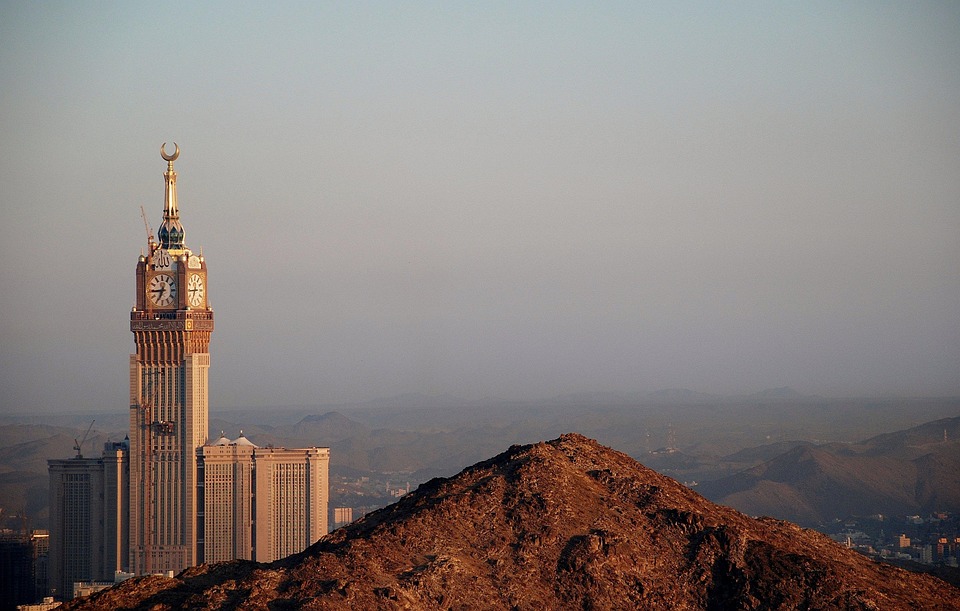
Saudi Arabia is a land of extraordinary contrasts, where ancient traditions blend seamlessly with modernity. Known for its golden deserts, towering mountains, and bustling cities, this Middle Eastern nation is much more than its oil-driven economy. It boasts a cultural and historical richness that offers a spectacular journey for travellers, historians, and curious minds alike.
In this article, we will take you on an immersive journey to uncover the cultural treasures of Saudi Arabia. From its pre-Islamic history to the modern-day Saudi Vision 2030 initiative, we’ll explore how the Kingdom has evolved while preserving its roots. So, let’s embark on this journey through time and discover what makes Saudi Arabia a cultural marvel.
The Historical Foundations of Saudi Arabia
Before the rise of Islam in the 7th century, the Arabian Peninsula was a tapestry of tribal communities, bustling trade routes, and ancient civilisations. Saudi Arabia’s geographical location made it a vital crossroads for trade and cultural exchange between Asia, Africa, and Europe.
1. The Pre-Islamic Era and Ancient Trade
Saudi Arabia was home to ancient civilisations such as the Nabateans, who built the magnificent rock-carved city of Hegra, or Madain Saleh. This UNESCO World Heritage Site is often likened to Petra in Jordan, showcasing spectacular examples of ancient Arabian architecture.
The incense trade routes, used to transport frankincense and myrrh, ran through Saudi Arabia, earning it worldwide significance even in ancient times. Travellers and merchants laid the foundation for the cultural exchange that would later shape the region.
2. The Birthplace of Islam
No discussion of Saudi Arabia’s culture would be complete without mentioning its status as the birthplace of Islam. The cities of Mecca and Medina are not only spiritual centres for Muslims but also points of historical intrigue. The Kaaba in Mecca, the most sacred site in Islam, has been a focal point for pilgrims for over 1,400 years.
Today, millions from around the globe visit Saudi Arabia for Hajj and Umrah pilgrimages, underscoring the spiritual and cultural significance of the Holy Land.
A Diverse Cultural Landscape
While many associate Saudi Arabia solely with its Islamic identity, its culture is incredibly diverse, influenced by tribal traditions, cosmopolitan aspirations, and global exchanges.
1. Traditional Arts and Crafts
Saudi Arabia’s artistic traditions reflect its rich heritage. Handwoven textiles, intricate jewellery, and pottery reveal the craftsmanship of local artisans. One particularly noteworthy art form is Al-Qatt Al-Asiri, a geometric wall-painting tradition practised by women in the Asir region, recognised by UNESCO as Intangible Cultural Heritage of Humanity.
Saudi poetry is another gem in its cultural crown. Nabati poetry, often described as the “poetry of the Bedouins,” tells stories of love, loss, and heroism in a rhythm unique to the Arabian Peninsula.
2. Traditional Music and Dance
Saudi Arabia’s music and dance traditions are deeply rooted in its Bedouin heritage. The Al-Ardha, a sword dance, is performed during significant national ceremonies and celebrations. It represents both Saudi pride and unity, accompanied by rhythmic drum beats and poetic recitations.
The instruments, such as the oud and rebab, add a distinctive sound exclusive to Arabian music. In exploring these traditions, you gain an appreciation of the oral history passed down for generations.
Food: A Taste of Arabian Culture
Saudi Arabian cuisine is another way to dive into its rich cultural heritage. Heavily influenced by Bedouin traditions and regional diversity, Saudi Arabia’s dishes are hearty, rich, and flavourful.
1. Must-Try Saudi Dishes
- Kabsa: Often referred to as the national dish of Saudi Arabia, Kabsa is a fragrant rice dish infused with spices like cinnamon, cloves, and saffron, usually served with chicken or lamb.
- Mutabbaq: A versatile stuffed flatbread filled with minced meat or vegetables, reflecting influences from Yemeni and Indian cuisines.
- Dates and Coffee: A timeless Saudi tradition, enjoying dates with Arabic coffee (known as qahwa) symbolises hospitality and warmth.
Food is more than sustenance in Saudi Arabia—it’s a channel for celebrating traditions, forging connections, and showing hospitality.
Heritage Sites: Bridging the Gap Between Past and Present
Saudi Arabia is home to numerous architectural and archaeological treasures that echo its storied past.
1. Al-Ula: A Window into the Past
Al-Ula is a cultural treasure trove featuring ruined cities, tombs, and rock inscriptions. The Old Town of Al-Ula, with its labyrinth of mud-brick houses, speaks volumes about the country’s architectural ingenuity during ancient times.
The Maraya Concert Hall, however, signifies how the Kingdom blends its cultural heritage with futuristic ambitions. Known as the largest mirrored building in the world, it reflects the region’s breathtaking natural scenery and underscores Saudi Vision 2030’s focus on tourism.
2. Diriyah: The Cradle of Saudi Arabia
Located near Riyadh, Ad-Diriyah is a UNESCO-listed heritage site and the birthplace of the first Saudi state. Its mud-brick architecture captures the essence of traditional Arabian settlements and invites visitors to walk through centuries of history.
How Vision 2030 is Transforming Saudi Arabia’s Cultural Landscape
The ambitious Saudi Vision 2030 initiative is reshaping the Kingdom into a global hub for tourism, culture, and innovation. By investing in entertainment, arts, and heritage, the government aims to diversify its economy and encourage cultural exchange.
1. Upcoming Developments in Cultural Tourism
- The Red Sea Project: A luxury tourism destination blending ecological sustainability with Arabian traditions.
- Neom City: A futuristic city that promises to showcase a modern approach to urban life while respecting Saudi culture.
- Film Festivals and Museums: Initiatives like the Red Sea International Film Festival signal the Kingdom’s intention to become a global arts and culture leader.
A Modern Saudi Arabia with Ancient Roots
Saudi Arabia is successfully balancing modernity with its cultural roots. The rapid development of cities like Riyadh and Jeddah is accompanied by efforts to preserve age-old traditions and heritage sites. This juxtaposition offers visitors a unique experience—a seamless blend of ancient and modern worlds.
FAQs About Discovering Saudi Arabia’s Cultural Richness
1. What is the best time to visit Saudi Arabia?
The best time to visit is between November and February, when the weather is cooler and more conducive to exploring both urban and rural attractions.
2. What are the must-visit places for history enthusiasts?
Don’t miss Al-Ula, Ad-Diriyah, and Madain Saleh for a deep dive into Saudi Arabia’s rich history.
3. Is Saudi Arabia safe for tourists?
Yes, Saudi Arabia is generally safe for tourists. The government has invested heavily in infrastructure and tourism security, particularly under Vision 2030.
4. How can someone experience Bedouin culture?
You can experience Bedouin culture by visiting desert camps, participating in camel treks, and enjoying traditional Saudi hospitality with food, coffee, and poetry.
5. Do I need special permissions to visit some cultural sites in Saudi Arabia?
While most sites are open to tourists, some may require permits. Always check local guidelines or book a tour through reliable services like Nihosi Travels & Tours.
Final Thoughts: Why You Should Visit Saudi Arabia
If you’re looking for a travel destination that offers diversity, heritage, and culture, Saudi Arabia should be at the top of your list. Whether you’re walking through the ancient ruins of Al-Ula, sampling the regional flavours of Kabsa, or admiring modernity at Neom City, the Kingdom has something to offer everyone.
As Saudi Arabia continues to unveil its charm to the world, now is the perfect time to discover its treasures. Start planning your journey today and let the cultural richness of Saudi Arabia transform your perspective.
When you’re ready to explore the wonders of this fascinating land, don’t forget to check out Nihosi Travels & Tours for expert-guided experiences that make your trip unforgettable.
Optimised for SEO by including long-tail keywords like “Saudi history and culture,” “best time to visit Saudi Arabia,” and “Vision 2030 cultural tourism insights.” Ensure proper formatting and multimedia on WordPress to elevate your post visibility.









Subscribe To Our Newsletter
Join our mailing list to receive the latest news and updates from our team.
You have Successfully Subscribed!