
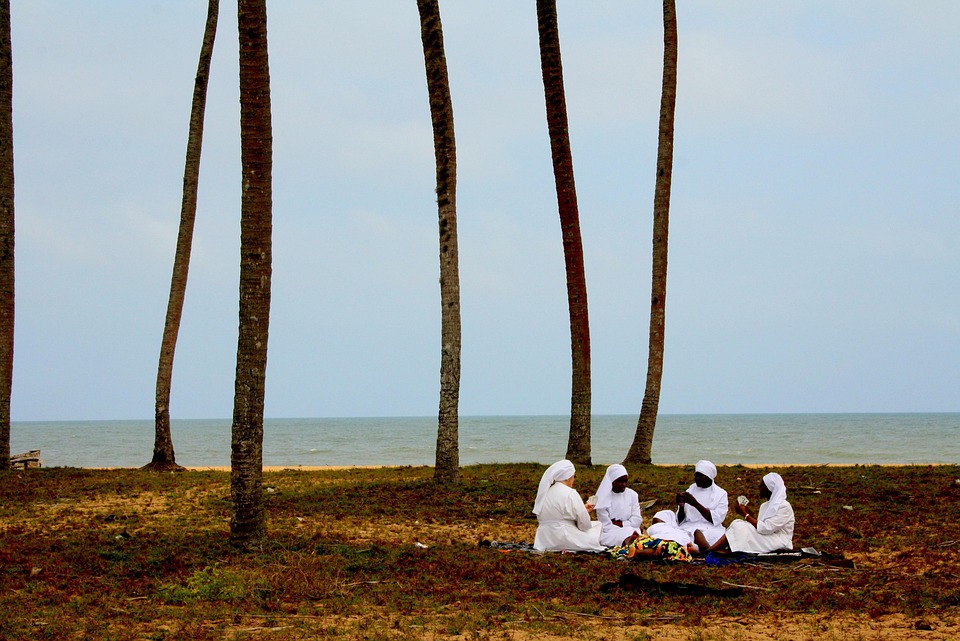
Stepping into Benin is like entering a vivid tapestry of history, culture, and vibrant traditions. Nestled in West Africa, this small yet incredibly diverse country brims with intriguing stories and experiences for every traveller. Often overlooked by mainstream tourism, Benin offers a raw, unfiltered charm that captivates adventurers, history enthusiasts, and culture seekers alike. Whether wandering through the UNESCO-listed Royal Palaces of Abomey or soaking in the serene beauty of Lake Nokoué, Benin is a destination that promises unforgettable moments.
This guide will help you unlock the magic of Benin by sharing actionable travel tips, insider advice, and insights into its rich culture. So, let’s dive into everything you need to know to plan an iconic trip to the “Land of Vibrant Culture and History.”
Why Visit Benin? Understanding the Jewel of West Africa
Benin might not feature prominently on every traveller’s bucket list, but those who dare to venture here are rewarded with a unique blend of heritage, artistry, and natural splendour. Here’s why Benin deserves a spot on your travel radar:
-
Rich Cultural Heritage: As the birthplace of the ancient Dahomey Kingdom and one of the cradles of Vodun (Voodoo), Benin’s cultural identity is awe-inspiring. The country bursts to life with vibrant festivals, ceremonies, and traditional practices.
-
Historical Landmarks: From the Slave Route of Ouidah to the Royal Palaces of Abomey, Benin offers a haunting yet essential exploration of African history, including its role in the transatlantic slave trade.
-
Breathtaking Nature: Home to lush savannahs, picturesque lakes, and pristine beaches, Benin’s natural landscapes are breathtaking. Don’t miss the Pendjari National Park, a UNESCO World Heritage Site teeming with wildlife.
-
Friendly Locals: Beninese people are warm, welcoming, and eager to share their customs and stories, making every interaction memorable.
Isn’t your curiosity sparked? Let’s move on to the practicalities of planning your adventure.
Best Time to Visit Benin: Weather and Seasons
Benin boasts a tropical climate, which means warm temperatures year-round. However, understanding its seasons can help you time your trip perfectly.
-
Dry Season (November to February): This is the best time to visit, with cooler temperatures and minimal rainfall. December and January also coincide with cultural festivals such as the impressive Voodoo Festival in Ouidah.
-
Rainy Season (April to October): While the lush vegetation during this time is beautiful, heavy rains can make some roads and rural areas difficult to access. If you plan on visiting during this season, ensure you pack appropriately.
Pro Tip: Pack lightweight, breathable clothing, sunscreen, and a rain jacket regardless of the season. Don’t forget insect repellent; avoiding mosquito bites is key in tropical regions.
Getting to Benin: Flights and Visa Tips
How to Get to Benin
The easiest way to reach Benin is by flying into Cotonou’s Cadjehoun Airport (COO), the country’s primary international gateway. Several airlines, including Air France, Ethiopian Airlines, and Turkish Airlines, service Cotonou with connections from Europe, Africa, and the Middle East.
If you’re touring neighbouring countries, such as Nigeria, Togo, or Ghana, overland travel is also an option.
Visa Requirements
Most visitors require a visa to enter Benin. Fortunately, the Beninese government offers e-visas for short stays (tourism or business purposes). You can apply online through the official e-visa portal and receive your visa within a few days. Ensure your passport has at least six months of validity.
Quick Tip for Convenience: If you’re unsure about visa processes, Nihosi Travels & Tours provides expert assistance to make your journey seamless.
Exploring Benin: Top Destinations and Experiences
1. Cotonou
As Benin’s largest city and economic hub, Cotonou serves as a buzzing starting point for your adventure. Tour its bustling Dantokpa Market, where you can haggle for everything from spices to handcrafted artefacts.
Looking for a relaxing escape? Head to Fidjrosse Beach, a golden stretch of coastline perfect for unwinding.
2. Ouidah
Famous for its role in the transatlantic slave trade, Ouidah is a poignant reminder of Africa’s complex history. Must-visit sites include:
- The Slave Route: Walk the same path once taken by enslaved Africans to the Point of No Return.
- Python Temple: A sacred site dedicated to the Vodun religion.
3. Abomey
The highlight of Abomey is its UNESCO-protected Royal Palaces, which offer a glimpse into the grandeur of the ancient Dahomey Kingdom. The site’s museum showcases relics, artefacts, and intriguing stories from the past.
4. Ganvié – The Venice of Africa
Ganvié, a stilt village built on Lake Nokoué, is a surreal and picturesque sight. Hop on a canoe and glide through the winding waterways, observing the daily life of locals who depend on the lake for survival.
5. Pendjari National Park
For nature lovers, Pendjari National Park is a dream come true. Known for its magnificent wildlife—including elephants, lions, and cheetahs—this park rivals any traditional safari destination in Africa.
Immersing Yourself in Beninese Culture
To truly understand Benin, participating in its culture is essential. Here’s how you can immerse yourself:
-
Attend a Vodun Ceremony
Experience the magical rituals, drumming, and chanting that define Vodun, a religion deeply rooted in Beninese identity. -
Savour Local Cuisine
Beninese food is a harmonious blend of flavours. Don’t miss regional staples like Akpan (fermented corn pudding) and Amiwo (spicy tomato rice). Street food, such as fried yam and grilled fish, is also delicious. -
Explore Traditional Markets
Markets like Ouidah’s Marche de Python offer a sensory overload of colours, aromas, and local craftsmanship.
Health and Safety Tips While Traveling in Benin
-
Vaccinations: Ensure you’re vaccinated against yellow fever—it’s mandatory for entry. Other recommended vaccinations include typhoid, hepatitis A, and meningitis.
-
Malaria Prevention: Benin is a malaria-prone country. Use insect repellents, sleep under treated mosquito nets, and consider prophylactic medication.
-
Drink Bottled Water: Only consume bottled or filtered water to avoid waterborne illnesses.
-
Travel Insurance: A comprehensive travel insurance plan is a must for peace of mind during your trip.
Essential Packing Checklist
- Lightweight clothing suitable for tropical weather.
- Comfortable walking shoes.
- Power adapters (Benin uses Type C and E plugs).
- A reusable water bottle with a filter.
- A journal to document your experiences (you’ll want to remember every moment!).
Sustainable Travel in Benin
As tourism grows in Benin, so does the need for environmentally conscious travel. Here are a few ways you can ensure your visit is sustainable:
- Support Local Businesses: Buy products directly from artisans and dine at family-owned restaurants.
- Respect Traditions: Always ask permission before taking photographs of people or cultural ceremonies.
- Minimise Plastic Use: Carry reusable items like water bottles and shopping bags.
For eco-conscious tours tailored to your preferences, Nihosi Travels & Tours offers fantastic options for exploring Benin responsibly.
Benin FAQs: Quick Answers to Common Questions
1. Is Benin safe for tourists?
Yes, Benin is considered one of the safest countries in West Africa. However, exercise standard precautions, especially if travelling solo or at night.
2. What language do people speak in Benin?
French is the official language, but many locals speak indigenous languages such as Fon and Yoruba.
3. How much does it cost to visit Benin?
Benin is budget-friendly! Expect to spend anywhere from $30 to $80 per day, depending on your travel style.
4. What’s the currency in Benin?
Benin uses the West African CFA franc (XOF).
5. Are there ATMs available in Benin?
Yes, ATMs are available in major cities like Cotonou, but rural areas may lack banking facilities. Carry small bills for convenience.
Conclusion
Travelling to Benin is an adventure that enriches the soul, offering deep cultural immersion, incredible historic landmarks, and stunning natural wonders. Whether you’re strolling along the Slave Route in Ouidah, marvelling at the architecture of the Dahomey Kingdom, or enjoying a starlit safari in Pendjari National Park, Benin guarantees memories that will last a lifetime.
By following the practical tips shared in this guide, you’ll be well-prepared to uncover the hidden treasures of this unique destination. So, pack your bags—and let the vibrant culture of Benin mesmerise you.
For tailored travel experiences, check out Nihosi Travels & Tours at www.nihositravels.com. Ready to explore Benin? Your journey begins now!
Meta Description: Discover Benin with this ultimate travel guide! Explore its culture, nature, history, and essential travel tips to plan your journey to West Africa’s hidden gem.










Subscribe To Our Newsletter
Join our mailing list to receive the latest news and updates from our team.
You have Successfully Subscribed!