
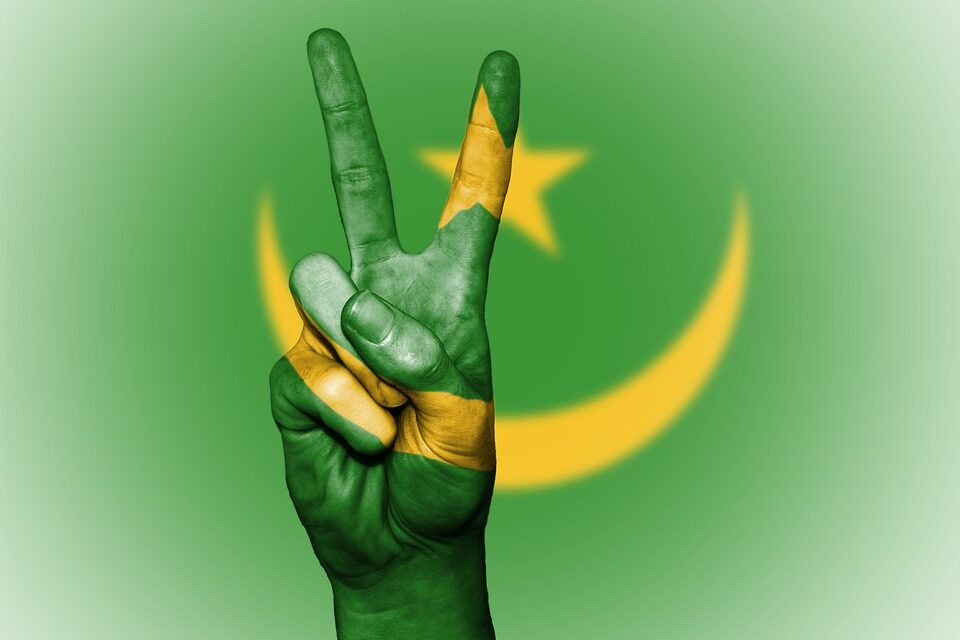
Mauritania—a country where endless sandy dunes collide with the deep blue waters of the Atlantic Ocean—is a treasure trove of natural beauty and cultural wealth. Often overlooked by the mainstream tourist trails, this gem in northwest Africa transports travellers to a world where history, geography, and nomadic traditions merge beautifully. Whether you’re passionate about stunning landscapes, interested in unearthing ancient trade routes, or simply seeking a unique adventure, Mauritania offers something genuinely special.
In this ultimate guide, we’ll unveil the must-see places in Mauritania: a land where the desert meets the sea. Traversing a mystical combination of rolling dunes, UNESCO World Heritage Sites, and timeless coastal charm, these destinations promise to leave you inspired and longing for more.
Nouakchott: Mauritania’s Bustling Gateway to the Atlantic
Start your Mauritanian adventure in Nouakchott, the country’s capital and largest city. Here, the desert and sea converge to create a unique urban space surrounded by rugged beauty. Nouakchott isn’t just a city—it’s the beating heart of Mauritania’s modern identity, combining bustling markets, fresh seafood, and a rich cultural heritage.
What to See and Do in Nouakchott:
-
The Nouakchott Fish Market (Port de Pêche):
Every evening, fishermen unload their vibrant boats along Nouakchott’s beaches, offering tourists a spectacle of colour and life. Watch as locals bid on freshly caught fish or try some of this seafood perfection yourself at nearby eateries. -
National Museum of Mauritania:
If you’re looking to understand Mauritania’s ancient roots, this museum provides an excellent introduction to the country’s pre-colonial and post-colonial history. Explore artefacts, traditional clothing, and ethno-cultural exhibits that shed light on Mauritania’s heritage. -
Plage de Nouakchott:
Stretching along the Atlantic coastline, Nouakchott’s beaches are ideal for a peaceful getaway or sunset views. Dip your feet into the Atlantic waters or savour fresh seafood at beachside shacks.
Pro Tip: For those packing light but eager to shop, Nouakchott’s colourful markets are the perfect places to find handcrafted goods, including textiles, jewellery, and artisanal pottery to bring home as souvenirs.
Chinguetti: The Ancient City of Islamic Learning
Known as the “library of the desert,” Chinguetti, a UNESCO World Heritage Site, is a mystical desert town frozen in time. Once an important hub for Islamic scholars and caravans on the trans-Saharan trade routes, Chinguetti is considered Mauritania’s spiritual capital.
Today, the charm of this city lies in its well-preserved sandstone architecture, centuries-old Islamic manuscripts, and serene Saharan backdrop.
What Makes Chinguetti Special?
-
Ancient Manuscripts and Libraries:
Chinguetti’s famed libraries house rare medieval Islamic texts, many originally transcribed by Mauritanian scholars. Step back in time by exploring these small yet significant troves of human knowledge. -
The Great Mosque of Chinguetti:
Featuring an ornate minaret made completely from stone, this mosque is an iconic landmark and one of the oldest functioning mosques in the world. It continues to stand as a testament to Mauritania’s enduring Islamic heritage.
Fun Fact: Chinguetti is often described as Africa’s “Seventh Holy City” because of its significance as a religious pilgrimage site for Muslims.
Banc d’Arguin National Park: Where Wildlife and Wilderness Unite
If you love nature and wildlife, Banc d’Arguin National Park will occupy the heart of your Mauritania itinerary. This UNESCO-protected biosphere reserve stretches along Mauritania’s Atlantic coastline and features sprawling sandbanks, coastal mudflats, and an extraordinary array of migratory bird species.
Why Visit Banc d’Arguin?
-
Birdwatcher’s Paradise:
With countless species, such as flamingos and pelicans, choosing Banc d’Arguin as their haven, it’s a dream destination for bird enthusiasts. Many birds migrate here each year, creating a spectacle of colours and sounds. -
Cultural Heritage of the Imraguen People:
The park is home to the nomadic Imraguen community, whose lifestyle revolves around sustainable fishing techniques passed down through generations. You can explore their centuries-old traditions by visiting local fishing villages like Iwik. -
Breathtaking Landscapes:
The juxtaposition between the golden desert and the shimmering Atlantic coastline is a sight to behold. Hop on a traditional fishing boat, or “lahla,” for a memorable view of the sweeping sandbanks.
Quick Travel Note: If you’re looking for pristine tranquillity or a chance to catch Mauritania’s marine wildlife, Banc d’Arguin offers unspoiled natural settings you’ll never forget.
The Adrar Plateau: A Desert Wonderland
Nestled deep within Mauritania’s Sahara, the Adrar Plateau is a masterpiece of natural wonder: rugged canyons, mesmerizing sand dunes, and lush oases scattered across barren landscapes. Here, history blends seamlessly with geography.
Highlights of the Adrar Plateau:
-
The Richat Structure (Eye of the Sahara):
This geological wonder, visible even from space, appears like a massive bullseye formed in the desert. Also known as the “Eye of the Sahara,” the Richat Structure is a layered dome whose origins continue to inspire curiosity among scientists and travellers alike. -
Ouadane Village:
Perched quietly on the edge of the Adrar Plateau, this ancient trading post was a central node for trans-Saharan caravans. Explore the remains of the old town to gain insight into Mauritania’s historic trading mechanisms. -
Terjit Oasis:
Hidden beneath towering palm trees and fed by natural springs, Terjit offers a serene retreat for travellers seeking shade from the relentless desert sun. It’s the perfect spot for relaxation or enjoying locally brewed mint tea under the palms.
Traveler’s Insight: Rent a 4×4 vehicle equipped for desert travel when heading to Adrar. The stunning but uneven terrain makes accessing sites like the Richat Structure or Ouadane easier with robust transportation.
Nouadhibou: A Coastal City with a Shipwreck Twist
Moving farther north along the coast, visit Nouadhibou, the second-largest city in Mauritania. Known for its fishing industry, bustling ports, and laid-back vibe, Nouadhibou sits where the ocean meets stories of maritime adventure.
What Makes Nouadhibou Unique?
-
Shipwreck Graveyard:
Nouadhibou has earned fame as the world’s largest ship graveyard. Decaying vessels dot the coastline, creating stunning photographic opportunities and offering one-of-a-kind cultural intrigue. -
Cap Blanc Peninsula:
A significant ecological zone, this sanctuary is known for its population of highly endangered Mediterranean monk seals. Visit the coastline for a glimpse of these rare creatures. -
Bahia Port:
Exploring the bustling port at Nouadhibou offers insights into the region’s fishing-dependent economy and everyday life.
Tichit: A Lesser-Known Jewel of History
If you’re a traveller who craves serenity and hidden archaeological treasures, don’t miss Tichit, another UNESCO World Heritage Site nestled amid the Tagant Plateau. Tichit features beautiful desert architecture constructed with sandstone and decorated with intricate geometric patterns.
Visitors can walk through centuries-old streets and wonder about this town’s fascinating history as a central point for early trans-Saharan trade.
Practical Travel Tips for Visiting Mauritania
If we’ve sparked your wanderlust, here are a few tips to ensure you make the most of this incredible destination:
-
Visa Requirements:
Most foreign visitors will require a visa to enter Mauritania. Double-check visa guidelines for your country before departure. -
Best Time to Visit:
Aim to visit Mauritania between November and February, when the temperatures are cooler and the deserts are more hospitable. -
Transport:
Public transport systems are limited in Mauritania. Renting a 4×4 vehicle or hiring local guides is the best option for exploring remote areas. -
Respect Local Culture:
Mauritania is a predominantly Islamic country, so modest clothing and respectful behaviour (e.g., avoiding alcohol in public) are essential.
FAQs Section
-
Is it safe to travel to Mauritania?
While Mauritania is generally safe, travellers should exercise caution and stay updated on regional travel advisories. Hiring a local guide can enhance both safety and cultural immersion. -
What currency is used in Mauritania?
The official currency is the Mauritanian Ouguiya (MRO). Cash is king in most areas, so ensure you carry local currency, especially when venturing outside major cities. -
What languages are spoken in Mauritania?
Arabic is the official language, with Hassaniya Arabic and French widely spoken. In rural areas, local dialects may also be used. -
What’s unique about Mauritania’s deserts?
Mauritania’s deserts are unique due to their historical significance and geological formations, such as the towering dunes of the Adrar Plateau or the ancient trade routes through the Sahara.
Mauritania’s harmonious blend of history, culture, and nature offers something for every traveller willing to step off the beaten path. Whether exploring ancient towns, marvelling at geological wonders like the “Eye of the Sahara,” or relaxing by the Atlantic Ocean, Mauritania guarantees unforgettable memories—so why wait?
Ready to embark? Explore tailored travel packages to Mauritania at www.nihositravels.com—your trusted guide to extraordinary African adventures!








Subscribe To Our Newsletter
Join our mailing list to receive the latest news and updates from our team.
You have Successfully Subscribed!