
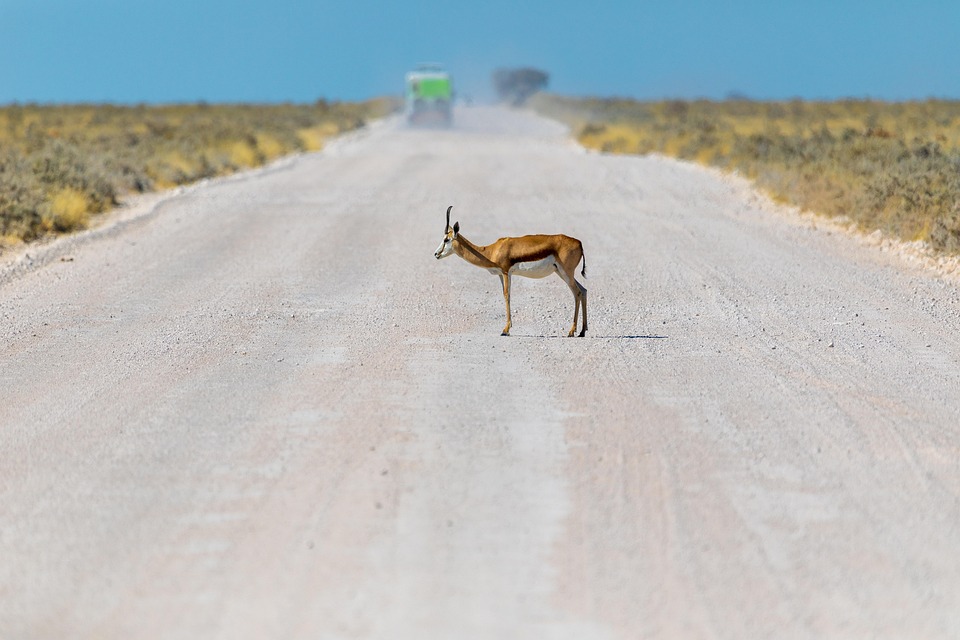
Namibia is a country defined by its raw, untamed beauty—a land where vast desert dunes meet star-studded skies, and dramatic coastlines offer a haven for wildlife and adventurers alike. For travelers drawn to the wild and extraordinary, Namibia serves as a treasure trove of soul-stirring experiences. Each mile of its landscape tells a unique story, carrying a charm like no other place on Earth.
Whether you’re an eco-tourism enthusiast, a wildlife photographer, or simply looking for your next great adventure, this guide will unveil the breathtaking intricacies of a land that defies the ordinary. Ready for a journey through Namibia’s awe-inspiring terrains? Let’s dive into this land of contrasts and marvels.
Why Namibia Deserves a Spot on Your Bucket List
Ever found yourself yearning for tranquility while standing in a place untouched by time? Namibia offers just that, with its ability to blend the surreal with the real. Known for its towering sand dunes, expansive salt pans, and unpolluted night skies, Namibia is a traveller’s paradise.
From the vastness of the Namib Desert to the astonishing wildlife of Etosha National Park, Namibia is a place to rediscover your sense of wonder. So, why does Namibia stand out?
- Untouched Wilderness: Namibia is one of the least densely populated countries in the world. Its empty spaces stretch endlessly, offering unmatched solitude.
- Conservation Leadership: Namibia leads global conservation efforts, with more than 40% of its land protected under conservation laws.
- Stargazing: Thanks to low light pollution, its dark skies rank among the best for stargazing on Earth. With the Milky Way dazzling overhead, you’ll feel connected to the universe in an entirely new way.
These are just a few highlights—let’s explore each region, one unforgettable step at a time.
The Desert’s Golden Heart: The Namib Desert
The Namib Desert, thought to be the world’s oldest desert (spanning over 55 million years), is Namibia’s crowning glory. Encompassing part of Africa’s western coastline, the Namib feels infinite, its secluded dunes sculpted by winds that seem to whisper the Earth’s history.
The Legendary Sossusvlei Dunes
Sossusvlei is home to what many describe as the world’s most magnificent sand dunes. The region’s striking orange-pink dunes are a masterpiece of nature, constantly redrawn by the wind. Some, like Dune 45 and Big Daddy, rise over 300 metres high, making them ideal for trekking and photography.
- Best time to visit: Sunrise or sunset. The soft light makes the dunes glow and their shadows shift dramatically—a photographer’s dream.
- Activities: Climbing dunes, jeep safaris, and hot air ballooning. Floating above the desert at dawn is an unparalleled experience.
Deadvlei: A Landscape Lost in Time
Nearby, Deadvlei offers a surreal contrast. Dead camel thorn trees, thousands of years old, rise starkly against the pan’s cracked white clay. Surrounded by towering dunes, it feels like you’ve stepped onto another planet.
Pro Tip: Wear comfortable shoes and hydrate well—desert trekking can be demanding.
Etosha National Park: Namibia’s Wildlife Haven
For those intrigued by African wildlife, Etosha National Park is an unmissable highlight. With its sprawling salt pan visible even from space, this park promises extraordinary game-viewing experiences.
What Makes Etosha Unique?
Unlike other safari destinations, Etosha’s arid landscape ensures sparse vegetation, offering excellent visibility of wildlife congregating at watering holes. Think elephants bathing in dust clouds, majestic lions on the hunt, and elegant giraffes silhouetted against stunning sunsets.
- Best time to visit: The dry season (June to October) forces animals to congregate at waterholes, making them easier to spot.
- Rare species to look out for: Among its inhabitants are rare black rhinos and endemic species like the Damara dik-dik.
Don’t forget your binoculars and camera—with over 340 bird species recorded, Etosha is a birder’s paradise during the wetter months.
The Skeleton Coast: Where Land Meets Ocean in Dramatic Fashion
Stretching along Namibia’s western coastline, the Skeleton Coast is a realm of eerie beauty. Its haunting name originates from the whale skeletons and shipwrecks that pepper its shores—a testament to the treacherous Atlantic waters.
Why Visit the Skeleton Coast?
The Skeleton Coast is far from your typical beach destination. Here, roaring winds and heavy fog create an atmosphere that’s ruggedly magical. It’s remote, stark, and evocative of the world’s wildest edges.
Must-Experience Activities:
- Exploring Shipwrecks: Look for rusting remnants of vessels like the Eduard Bohlen—a ship stranded over a kilometre from shore due to shifting sands.
- Cape Cross Seal Reserve: This colony hosts one of the largest seal gatherings in the world, with as many as 200,000 Cape fur seals at peak season.
- Coastal Flights: For an unforgettable perspective, charter a scenic flight to view shipwrecks, dunes, and salt pans from above.
The Starry Skies of NamibRand Nature Reserve
Namibia isn’t just about land—its skies are equally breathtaking. The NamibRand Nature Reserve, designated as Africa’s first Dark Sky Reserve, is a prime spot for stargazing and astrophotography.
Imagine lying beneath a celestial dome so vibrant that you can spot the Milky Way without a telescope. The lack of artificial lighting ensures unparalleled clarity.
- Hot tip: If you visit during a new moon, you’ll experience the darkest and clearest skies. Guided stargazing tours often include telescopes for deeper exploration of our galaxy.
The Kunene Region: A Cultural and Scenic Delight
Situated in Namibia’s northwest, the remote Kunene Region rewards adventurous travellers with its breathtaking landscapes and cultural richness. This is where the Himba people, a semi-nomadic, pastoralist community, live.
Meet the Himba People
Renowned for their striking appearance, the Himba women apply a mixture of ochre and fat to their skins, giving them a distinctive reddish hue. Visiting a Himba village offers insights into this traditional way of life, which has remained untouched by modernity.
Activities in Kunene:
- Epupa Falls: These cascading waterfalls are a serene retreat, surrounded by baobabs.
- River safaris: Drift down the Kunene River and see crocodiles patrolling the waters.
Where Adventure Meets Serenity
Namibia is a confluence of worlds—each starkly different, yet equally captivating. Whether you’re climbing monumental dunes, navigating eerie coastlines, or marvelling at wildlife by moonlight, Namibia offers chances to connect deeply with nature.
For adventure seekers, Namibia isn’t just a once-in-a-lifetime destination; it feels like a pilgrimage. Its polished blend of natural wonders, rich cultural heritage, and commitment to conservation sets it apart as one of the world’s most fascinating countries.
Want to experience it all? At Nihosi Travels & Tours, we’re here to help you craft an itinerary that unlocks the wonders of Namibia, step by step.
FAQs about Namibia
What is Namibia most famous for?
Namibia is renowned for its ancient dunes, extraordinary wildlife, and captivating cultural heritage. Highlights include the Namib Desert, Etosha National Park, and the Skeleton Coast.
Is Namibia safe for tourists?
Namibia is considered one of the safest countries in Africa for tourists. However, travellers should still exercise standard precautions, particularly in cities.
How can I travel around Namibia?
Due to its vast distances, self-drive safaris with a 4×4 vehicle are one of the best ways to explore. Many guided tours are also available for those preferring a more structured experience.
What’s the best time of year to visit Namibia?
The best time depends on your interests. For wildlife safaris, visit between June and October. Desert landscapes are stunning year-round, with milder temperatures from April to May.
Why is the NamibRand Nature Reserve famous?
The reserve is famed for its pristine skies, designated as an International Dark Sky Reserve. It’s ideal for stargazing and capturing astronomical phenomena.
Final Thoughts
Namibia will leave you in awe, and its landscapes hold deep lessons in patience, wonder, and resilience. Ready for your own journey across Namibia’s desert dunes and starry skies? Start planning today and discover why this destination is heralded as one of Earth’s greatest natural treasures.










Subscribe To Our Newsletter
Join our mailing list to receive the latest news and updates from our team.
You have Successfully Subscribed!