
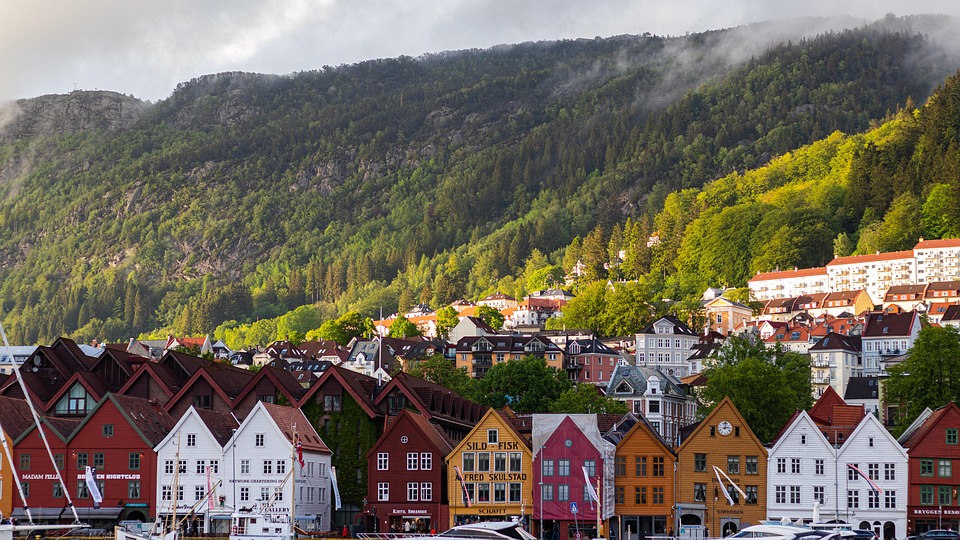
The Northern Lights, or the aurora borealis, is one of nature’s most enchanting phenomena, drawing adventurers, photographers, and nature enthusiasts from around the world. Witnessing this celestial dance is a bucket-list experience, and there’s no better place to chase the Northern Lights than in Norway. Nestled inside the Arctic Circle, Norway offers some of the best opportunities to observe this spectacular display. In this guide, we’ll explore everything you need to know about witnessing the Northern Lights in Norway, from the science behind the lights to the best locations, travel tips, and insider insights for an unforgettable journey.
What are the Northern Lights?
The Northern Lights, scientifically known as the aurora borealis, occur when charged particles from the sun collide with gases in the Earth’s atmosphere, creating vibrant ribbons of light that shimmer across the Arctic sky. These captivating displays, ranging in hues of green, pink, purple, and red, have fascinated humanity for centuries. In Norwegian folklore, they were believed to be reflections from the armour of Valkyries, mythical warriors who guided fallen soldiers to the afterlife.
While the science explains the phenomenon, the experience of seeing the Northern Lights is almost otherworldly—a reminder of just how incredible our planet can be. But timing and location are everything when it comes to catching this elusive light show.
Why Norway is a Northern Lights Hotspot
Norway is one of the top global destinations for witnessing the Northern Lights, offering optimal conditions, stunning landscapes, and a unique cultural experience. What makes this country so special for Aurora hunters?
- Geographic Proximity: Norway lies within the “auroral oval,” the region around the Earth’s poles where the lights are most commonly observed.
- Dark Skies, Environmental Beauty: With snow-drenched mountains, open fjords, and remote Arctic towns, Norway provides incredible backdrops for aurora sightings.
- Accessibility: Flights, trains, and ferries make it relatively easy to reach top aurora-viewing destinations compared to other Arctic regions.
- Norwegian Hospitality: The locals offer warm hospitality, from cosy lodges to guided safari tours, enhancing your overall experience.
When to Visit Norway for the Northern Lights
To maximise your chances of seeing the Northern Lights, timing is critical. Here’s a breakdown of the best times to visit:
1. Peak Season: November to March
The winter months, especially between late November and early March, offer long, dark nights and cold, clear skies—ideal conditions for aurora viewing. The sky is darkest from 6 PM to midnight, a prime window for activity.
2. Shoulder Months: September and October
While winter dominates aurora tourism, September and October can still offer fantastic sightings. These months bring crisp air, less extreme cold, and fewer tourists.
3. Avoid Summer Months
Between late May and mid-August, the Midnight Sun dominates Norway, and the extended daylight makes seeing the aurora nearly impossible.
Best Locations to See the Northern Lights in Norway
Norway is brimming with aurora-viewing hotspots, each offering something unique. Below are the top destinations for chasing the lights.
1. Tromsø – The Arctic Capital
Known as the “Gateway to the Arctic,” Tromsø is one of the most popular spots for Northern Lights seekers. Its combination of accessible wilderness, professional tour operators, and brilliant aurora borealis shows makes it unbeatable.
-
Why Tromsø?
- Surrounded by fjords and mountainous terrain.
- Plenty of aurora safari tours.
- Vibrant nightlife and cultural attractions complement daylight hours.
-
Best Activities While in Tromsø:
- Dog sledding through snow-covered landscapes.
- Taking a cable car ride to Mount Storsteinen for panoramic views.
2. Lofoten Islands
For photographers, the Lofoten Islands are a dream destination. Picture rugged peaks, mirrored waters, and quaint fishing cabins glowing beneath the aurora.
-
Why Lofoten?
- Clear skies and minimal light pollution.
- Scenic backdrops for unmatched aurora photography.
-
Don’t Miss:
- Staying in a rorbuer (traditional red fisherman’s cabin).
3. Alta – The City Of Northern Lights
Alta calls itself the official “City of Northern Lights.” Historically, scientists studied auroral activity here, and it remains a top spot for predictable sightings.
- Must-Try Experiences:
- Visiting the Northern Lights Cathedral.
- Staying in the Sorrisniva Igloo Hotel.
4. Svalbard – Arctic Wilderness
If you’re looking to take your Arctic adventure further north, Svalbard offers the ultimate remote aurora-hunting experience. This isolated Norwegian archipelago offers unparalleled tranquillity.
- What Makes Svalbard Unique?
- The “Polar Night” (November to mid-February) allows non-stop darkness, increasing aurora visibility.
- Opportunities to spot polar bears in their natural habitat.
Essential Tips for Chasing the Northern Lights
Aurora hunting isn’t a guaranteed experience. It requires patience, preparation, and a sense of adventure. The following tips ensure you make the most of your trip:
1. Check the Weather and Forecast
The Northern Lights are only visible under clear skies. Use websites or apps, such as the Aurora Forecast or Norway Lights, to check real-time geomagnetic activity.
2. Choose Dark Locations
Avoid light pollution by heading outside cities or towns. Remote areas like fjords, valleys, and mountain ranges greatly improve your chances.
3. Be Patient
Aurora sightings can be unpredictable. Plan to stay at least 4-7 nights in Norway to increase the odds of encountering the famous lights.
4. Invest in Warm Clothing
Temperatures in Arctic Norway can plummet to -30°C (-22°F) during the winter months. Layer up with thermal underwear, insulated outerwear, gloves, and a hat.
Beyond the Northern Lights: Making the Most of Your Arctic Journey
While chasing the aurora, don’t miss out on other quintessential Norwegian experiences:
1. Go Ice Fishing or Dog Sledding
The Arctic landscape provides a playground of winter activities that make your trip unforgettable.
2. Stay in Unique Nordic Accommodations
Sleeping in an igloo hotel or a glass-roofed cabin adds another layer of magic to your trip. These accommodations allow you to watch the lights dance as you drift to sleep.
3. Experience Sami Culture
Interact with Norway’s indigenous Sami people and their reindeer herding traditions to gain cultural insight.
Frequently Asked Questions (FAQs)
1. What are the best apps to track the Northern Lights?
Try apps like Norway Lights and Aurora Forecast for the most accurate predictions.
2. Can I photograph the aurora with my smartphone?
Yes, modern smartphones with “Night Mode” can capture the Northern Lights, but a DSLR camera yields superior results.
3. Is it safe to visit Norway in winter?
Absolutely. Norway’s infrastructure handles winter well. Just take precautions for icy conditions and dress warmly.
4. Do I need a guided tour to see the Northern Lights?
Guided tours are helpful for spotting auroral activity in optimal locations, but travellers can self-explore with careful planning.
Conclusion
Chasing the Northern Lights in Norway is a life-changing experience that blends adventure, science, and pure wonder wrapped in icy Arctic beauty. From Tromsø’s bustling aurora safaris to Svalbard’s quieter, raw wilderness, each location offers an unforgettable encounter with one of the world’s most incredible natural wonders.
So, pack your bags, layer up, and prepare to be mesmerised as you journey to the edge of the Arctic to witness Norway’s aurora borealis. Your exhilarating adventure under the Arctic sky awaits!
For more travel tips and Arctic inspiration, visit www.nihosi.com.








Subscribe To Our Newsletter
Join our mailing list to receive the latest news and updates from our team.
You have Successfully Subscribed!