
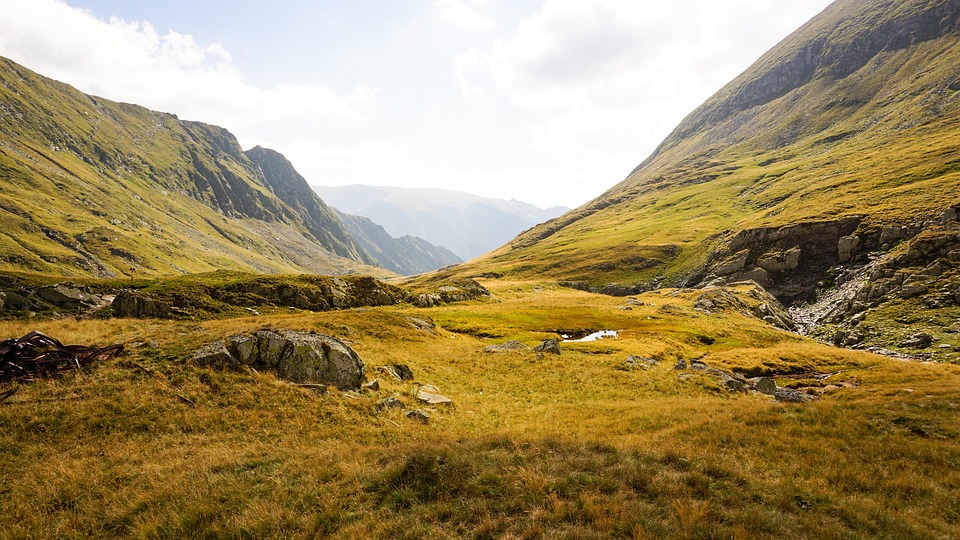
Nestled in Eastern Europe, Romania offers a treasure trove of enchanting destinations that blend historical legacies, natural splendour, and a vibrant modern-day charm. From the haunting allure of Transylvania’s castles to the serene beauty of the Carpathian Mountains, Romania is a dreamland waiting to be explored.
If you’ve ever wondered whether Romania is worth visiting, the short answer is yes—a resounding yes! With its unspoiled landscapes, ancient fortresses, and a compelling blend of myth and reality, Romania beckons adventurers, history buffs, and nature lovers alike. In this guide, we’ll take you on a virtual tour of Romania’s most breathtaking sights, uncovering hidden gems and timeless wonders that make this country a must-visit destination.
Why Visit Romania?
Before diving into the specifics, let’s address an important question: why choose Romania for your next travel escape?
1. A Captivating History
Romania has been shaped by centuries of conquest, trade, and cultural exchange. From the Roman Empire to the Ottoman Turks and the Austro-Hungarian Empire, this country’s layered history is visible through its eclectic architecture and storied landmarks.
2. Myth Meets Reality
If you’ve ever been intrigued by the blood-curdling legend of Dracula, you’ll find Transylvania to be an irresistible mystery. The Gothic castles, medieval towns, and eerie forests create the perfect backdrop for these chilling tales.
3. Pristine Natural Beauty
Romania is home to some of Europe’s best-preserved natural wonders. The Carpathian Mountains, rolling hills, Black Sea coastline, and the untouched Danube Delta create a paradise for hikers, birdwatchers, and nature enthusiasts.
Iconic Castles: A Glimpse Into Medieval Romania
Romania is synonymous with castles—imposing, romantic, and steeped in tales of intrigue. Here are the must-see fortresses that deserve a place on your itinerary.
1. Bran Castle: The “Dracula” Castle
Located near the town of Brașov, Bran Castle is Romania’s most famous landmark. Often linked to Bram Stoker’s Dracula, this 14th-century fortress attracts history enthusiasts and folklore fanatics alike.
Why Visit:
Though the connection to Vlad the Impaler (the inspiration behind Dracula) is tenuous at best, the castle’s imposing towers, narrow staircases, and Gothic interiors make it worth the hype. It’s a fine blend of historical significance and mythical charm.
Pro Tip: Visit during autumn for an extra spine-chilling atmosphere—the surrounding forests glow orange and red, making your experience unforgettable.
2. Peleș Castle
Set against the Carpathian backdrop, Peleș Castle looks like something straight out of a fairy tale. Built in the 19th century, it served as the residence of Romania’s royal family.
What Makes It Special:
The Neo-Renaissance architecture is complemented by opulent interiors featuring intricate wood carvings and stained glass. The castle’s surrounding gardens are just as stunning.
Insider Tip: While in the area, swing by Pelisor Castle, the smaller but equally beautiful building nearby.
3. Corvin Castle (Castelul Corvinilor)
Located in the heart of Transylvania, Corvin Castle effortlessly combines Gothic and Renaissance elements.
Why It’s Unique:
Legends say Vlad the Impaler was once imprisoned here. Walking through Corvin Castle feels like stepping into a medieval fantasy, with its drawbridges, high towers, and mythical ambiance.
Best Time to Visit: Spring or early summer—the castle often holds medieval festivals and knight tournaments.
The Spellbinding Carpathians: Where Nature and Adventure Converge
When it comes to Romania’s natural landscapes, the Carpathian Mountains are hard to beat. Known for their rugged beauty, diverse ecosystems, and well-maintained trails, the Carpathians are an adventurer’s paradise.
1. Hiking in Bucegi Natural Park
For outdoor enthusiasts, Bucegi Natural Park is one of the top hiking destinations in Romania. Reaching peaks like Omu Peak offers panoramic views of the surrounding valleys and plateaus.
Notable Attractions:
- The Sphinx Rock Formation: A natural stone shaped like a human face, sparking numerous legends.
- The Babele Rocks: Mystic formations that resemble mushrooms, steeped in local myths.
Fitness Tips: Some trails can be challenging, so dress warmly, bring sturdy hiking boots, and pack a high-energy snack.
2. Retezat National Park: A Hidden Treasure
Often called Romania’s “crown jewel,” Retezat National Park is home to pristine glacial lakes and rare flora and fauna.
Ideal for:
- Wildlife spotting (keep an eye out for chamois and brown bears).
- Photography enthusiasts, thanks to its crystal-clear Lake Bucura.
3. Transfăgărășan: The Highway in the Sky
Named one of the most beautiful roads in the world, the Transfăgărășan winds through the Carpathians and connects Transylvania with Wallachia.
Why It’s an Experience:
This sinuous highway showcases cliff-hugging turns and scenic vistas, with waterfalls and viewpoints at every corner.
Must-Stop: Bâlea Lake—an icy glacial lake that’s breathtaking in both summer and winter.
Romania’s Charming Cities and Towns
1. Brașov: Gateway to Transylvania
With its medieval old town, cobbled streets, and iconic Black Church, Brașov is a city where old-world charm meets modern-day vibrancy.
- Best Things to Explore: The Council Square, Tampa Mountain viewpoints, and Catherine’s Gate.
- Dining Top Tip: Try Mămăligă (polenta with cheese) at a local restaurant.
2. Sibiu: The Cultural Hub
Renowned for its Saxon heritage, Sibiu was named the European Capital of Culture in 2007.
- What to See: The Bridge of Lies, Great Square, and ASTRA Museum of Traditional Folk Civilisation.
Fun Fact: Sibiu is home to an abundance of “eyebrow houses” whose roofs appear to house watchful eyes.
3. Sighișoara: A Medieval Marvel
Step back in time at the UNESCO-listed Sighișoara Citadel. Known as Vlad the Impaler’s birthplace, this preserved fortress city is a history lover’s dream.
Must-Do: Climb the Clock Tower for magnificent views of the walled citadel.
Off-the-Beaten-Path Destinations
1. Maramureș: The Land of Wooden Churches
Maramureș is a region that seems frozen in time. It’s famous for its wooden churches (some UNESCO-listed) and rural traditions.
Don’t Miss: The Merry Cemetery in Săpânța—cheerful tombstones adorned with colourful artwork and poetic epitaphs.
2. Danube Delta: A Natural Wonder
An ecological treasure, the Danube Delta is home to over 300 bird species. Whether bird-watching or cruising its waterways, this UNESCO site is a nature lover’s dream come true.
Practical Tips for Visiting Romania
- Best Time to Visit: Spring (April–June) and autumn (September–October) offer pleasant weather and fewer crowds. Winter is perfect for skiing enthusiasts.
- Currency: The Romanian leu (RON). Bear in mind that cash is often preferred in rural regions.
- Transport: While trains connect major cities, rural areas are best explored via hire car.
FAQs
What is the best time to visit the Carpathians?
For hiking, late spring and summer are ideal. Snow lovers will enjoy the ski slopes in winter.
How long should you spend in Romania?
To fully immerse yourself in Romania’s sights, plan for a 10-14 day trip.
Exploring Romania feels like stepping into a storybook—a mystical realm where castles stand tall against mountainous backdrops, and local villages seem untouched by time. Whether your bucket list features Gothic fortresses, breath-taking mountain hikes, or cultural deep dives into medieval towns, Romania has it all.
So, what are you waiting for? It’s time to pack your bags and let Romania enchant you with its timeless charm. When it comes to awe-inspiring treasures, Romania truly delivers.
Ready to experience the adventure of a lifetime? Plan your journey today with Nihosi Travels & Tours—the ultimate gateway to all things Romania.










Subscribe To Our Newsletter
Join our mailing list to receive the latest news and updates from our team.
You have Successfully Subscribed!