
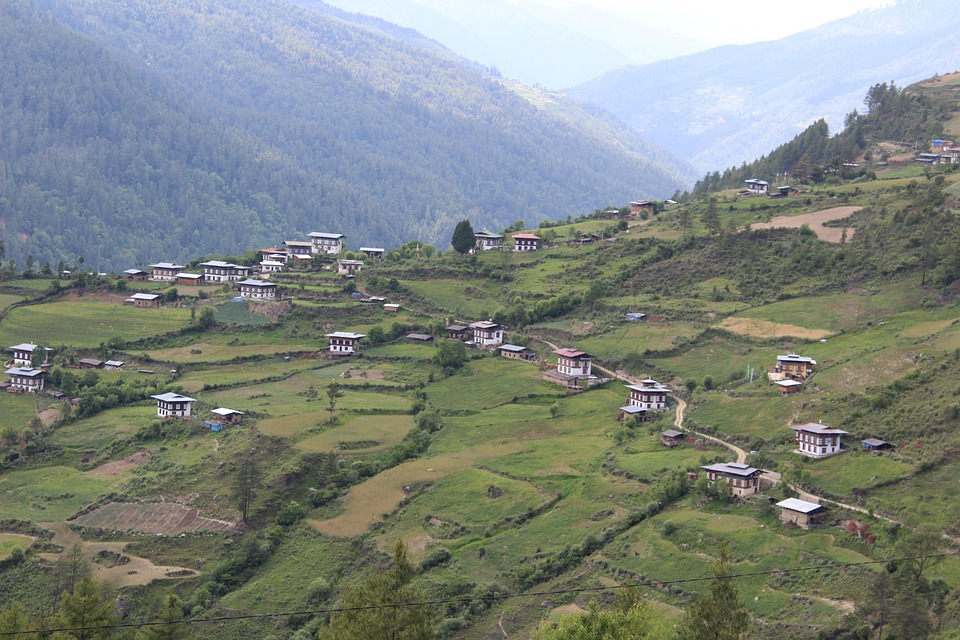
In a world increasingly crowded with destinations boasting flashy attractions and hurried itineraries, the Kingdom of Bhutan stands apart—a tranquil oasis nestled in the Eastern Himalayas, untouched by the trappings of over-tourism. Known as the “Land of the Thunder Dragon,” Bhutan is more than just a destination; it’s an experience, a journey to discover unparalleled beauty, spiritual serenity, and a culture rooted in happiness. Whether you’re a seasoned globetrotter or planning your first major adventure, Bhutan truly deserves a prime spot on every traveller’s bucket list.
If you’ve ever wondered why Bhutan is considered one of the most extraordinary places on the planet, this article will unveil the multitude of reasons why you should pack your bags and make your way to this Himalayan haven.
1. A Destination Rooted in Gross National Happiness
One of the most unique aspects of Bhutan is its commitment to Gross National Happiness (GNH)—a concept enshrined in government policy. Unlike most countries, where success is measured by GDP, Bhutan prioritises the well-being and happiness of its citizens above all else. This philosophy permeates every aspect of Bhutanese life, from preserving the environment and promoting cultural values to maintaining responsible tourism.
As a traveller, you’ll witness this first-hand. The people of Bhutan radiate warmth and contentment, taking pride in the country’s balanced way of life. Imagine visiting a place where happiness isn’t just an abstract ideal but an actual way of life—this alone makes Bhutan one of the best destinations for mindful travellers.
2. Pristine Natural Beauty
For nature lovers, Bhutan is paradise found. The country’s rugged mountains, verdant forests, rolling valleys, and turquoise rivers form a visually stunning tapestry of natural beauty. Bhutan’s commitment to conservation has allowed 70% of its land to remain forested, earning it the title of a carbon-negative country. Yes, you read that right: Bhutan absorbs more carbon dioxide than it emits.
Among the must-see natural wonders is the Haa Valley, relatively untouched by modernity. Known for its idyllic meadows and mystical ambience, Haa offers an opportunity to hike, camp, and reconnect with nature. Further north, the towering peaks of the Himalayas, such as Jomolhari, invite seasoned trekkers for trails that range from challenging to life-affirming.
Quick Tip!
For a sustainable and personalised travel experience, book with Nihosi Travels & Tours, which specialises in crafting eco-friendly itineraries.
3. Awe-Inspiring Monasteries and Architecture
Bhutan’s cultural identity is deeply intertwined with its spiritual and architectural heritage, and the monasteries are nothing short of breathtaking. The Tiger’s Nest Monastery (Paro Taktsang) is perhaps Bhutan’s most iconic attraction. Perched precariously on the edge of a 3,120-metre cliff, visiting this sacred site is a pilgrimage for many. The climb may be challenging, but the views and spiritual ambience make every step worth it.
Beyond Tiger’s Nest, you’ll find other gems like Punakha Dzong, often called the most beautiful fortress in Bhutan. During the spring, its surroundings bloom with jacaranda trees, adding a magical touch to the already stunning architecture. These dzongs (fortresses) serve both secular and religious purposes, a testament to Bhutan’s harmonious blending of faith and governance.
4. Unique Bhutanese Culture and Traditions
Few countries hold on to their traditions as firmly as Bhutan does. National dress is still worn with pride, traditional festivals are vibrant and deeply spiritual, and ancient art forms like thangka painting and mask dances are celebrated in full fervour. Travelling in Bhutan means immersing yourself in a culture that is steadfastly authentic, untouched by globalisation.
To truly experience the traditions, plan your trip around one of Bhutan’s many Tsechus (religious festivals). The annual festivals in cities like Thimphu, Paro, and Punakha are lively celebrations filled with dance, music, and sacred rituals. These events not only captivate the senses but also give you insights into the country’s history and beliefs.
Pro Tip:
Want to make the most of your Bhutan trip? Reach out to Nihosi Travels & Tours for advice on the best times to visit the festivals and exclusive cultural tours.
5. A Haven for Trekking Enthusiasts
Bhutan offers some of the most rewarding trekking routes in the world. Whether you’re an experienced trekker or someone looking for an adventurous start, Bhutan has trails for every level.
For a moderate trek, try the Druk Path Trek, which spans roughly 6 days and links Paro with the capital, Thimphu. You’ll traverse high-altitude lakes, ridges, and breathtaking landscapes.
If you’re up for a challenge, the Snowman Trek is considered the most difficult trek in the world, taking up to three weeks to complete. The rewards? Scenic vistas of unspoiled Himalayan landscapes, remote villages, and an undeniable sense of achievement.
6. Delicious Bhutanese Cuisine
One of the lesser-known highlights of visiting Bhutan is its mouth-watering cuisine. Bhutanese dishes are rich, delicious, and unlike anything you’ve tasted before, with a strong reliance on locally grown ingredients and spices. Ema Datshi, the national dish made with chillies and yak cheese, is just the beginning of a culinary adventure that will tantalise your taste buds.
Foodies will also enjoy momo dumplings, traditional buckwheat noodles, and the distinct taste of suja (butter tea). Don’t be afraid to experiment and savour the bold flavours, which are an essential part of Bhutan’s cultural fabric.
7. Bhutan’s Strict Commitment to Responsible Tourism
Ever heard of “high value, low impact tourism”? Bhutan is a pioneer of this concept. To enter the country, travellers must pay a Sustainable Development Fee (SDF), which funds social and environmental initiatives. While this might make Bhutan a costlier destination, it ensures that tourism remains eco-friendly and culturally respectful.
This policy means Bhutan is free of overcrowded tourist spots and retains its purity. Visitors are therefore treated to an unparalleled experience that respects nature and culture alike.
For those seeking meaningful travel, Bhutan’s philosophy aligns perfectly with sustainable tourism principles.
FAQs: The Ultimate Bhutan Travel Guide
1. When is the best time to visit Bhutan?
The best times are spring (March-May) and autumn (September-November). These months feature pleasant weather and coincide with major festivals.
2. How do I travel to Bhutan?
Visitors typically fly into Paro Airport, Bhutan’s only international port of entry, via carriers like Druk Air or Bhutan Airlines.
3. Do I need a visa for Bhutan?
Yes, all foreign travellers (except Indian, Bangladeshi, and Maldivian nationals) require a pre-arranged visa and travel package through an authorised tour operator like Nihosi Travels & Tours.
Final Thoughts
So, why should Bhutan be on every traveller’s bucket list? For its untouched natural beauty, spiritual richness, and the promise of an authentic travel experience unmatched by any other destination. Bhutan isn’t just a place; it’s a journey into a more meaningful connection—with nature, culture, and oneself.
Ready to plan your Bhutan adventure? Let Nihosi Travels & Tours guide your journey. From bespoke itineraries to eco-conscious in-country experiences, they ensure Bhutan will be more than just a check on your travel bucket list—it will be an indelible memory that stays with you for a lifetime.
With its harmonious balance of tradition and innovation, Bhutan is truly a destination like no other. Make 2024 the year you witness the magic of the Thunder Dragon Kingdom. You won’t regret it.










Subscribe To Our Newsletter
Join our mailing list to receive the latest news and updates from our team.
You have Successfully Subscribed!