
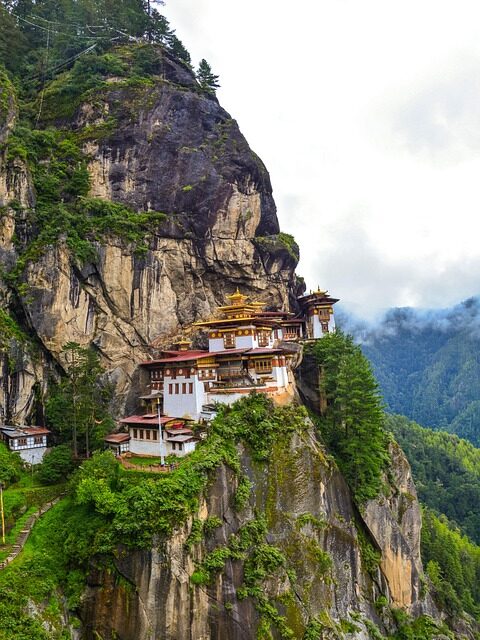
Nestled between the towering peaks of the Himalayas lies the kingdom of Bhutan, a land cherished for its serene landscapes, deeply rooted traditions, and its unique approach to happiness. While Bhutan has become synonymous with its reputation as the “Land of the Thunder Dragon,” few travellers venture beyond the well-trodden routes of Paro, Thimphu, and Punakha. Beneath the surface lies an extraordinary treasure trove of cultural marvels, untouched sanctuaries, and life-changing adventures. If your heart yearns for something more authentic and off-beat, join us as we unveil Bhutan’s best-kept secrets—a side of the country that escapes most guidebooks.
Let’s dive in.
Bhutan’s Hidden Gems: A Journey Beyond the Tourist Trail
1. Lhuentse: Bhutan’s Handloom Haven
While Bhutan is renowned for its exquisite textiles, Lhuentse remains an underrated destination where this traditional craft thrives. Tucked in the northeast, this remote district offers visitors a glimpse into the heart of Bhutanese fabric artistry. Lhuentse’s women weave vibrant kishutharas, intricate handwoven silk textiles that are a hallmark of Bhutanese heritage. Wander through quaint villages, like Khoma, to witness artisans working magic with their traditional backstrap looms.
Beyond textiles, Lhuentse holds spiritual significance as the birthplace of Bhutan’s beloved monarchs. Explore the stately Lhuentse Dzong perched on a hilltop or embark on a hike to Singye Dzong, an ancient pilgrimage spot in the eastern Himalayas that requires dedication but rewards visitors with pristine beauty and spiritual serenity.
Pro Tip: If you want to purchase authentic handwoven textiles, Lhuentse is your go-to destination, offering both quality and an immersive cultural experience.
2. Bumdeling Wildlife Sanctuary: A Birder’s Paradise
Are you a wildlife enthusiast or an avid birder? Then make your way to Bumdeling Wildlife Sanctuary in northeastern Bhutan. Unlike bustling tourist spots, Bumdeling offers serenity and an opportunity to connect with nature.
The sanctuary is home to a rich variety of flora and fauna, but it’s most famous for hosting the black-necked cranes, majestic migratory birds that arrive during winter. Walk along well-maintained trails surrounded by lush valleys, snow-capped peaks, and pristine rivers teeming with life. This biodiversity hotspot shelters elusive species like the red panda, Himalayan black bear, and snow leopard—perfect for those craving raw, unfiltered wilderness.
Quick Fact: Bhutan’s commitment to conservation is unparalleled; they’ve pledged to keep at least 60% of its land forested at all times, preserving havens like Bumdeling.
3. The Mystique of Haa Valley
Often overshadowed by the more popular valleys of Punakha and Paro, Haa Valley is a serene escape hidden in plain sight. Also known as the “Hidden-Land Rice Valley,” Haa weaves together landscapes of deep pine forests, alpine hills, and traditional villages. It’s a destination where visitors can experience Bhutan’s slow-paced rural life without the tourist crowds.
Adding to its allure is Lhakhang Karpo (White Temple), a historical monastery believed to have been built under the guidance of Tibetan nobility. Don’t miss the opportunity to interact with monks and partake in meditation sessions. For active travellers, hiking routes around Haa Valley are breathtaking, offering stunning postcard-perfect vistas at every corner.
Local Tip: Visit during Haa Summer Festival, a vibrant celebration of nomadic nature, yak herding, and traditional Bhutanese cuisine.
4. Ura Village: Bhutan’s Storybook Hamlet
Think cobblestone streets, wooden houses, and rolling green fields—it’s all waiting for you in Ura, located in Bumthang district. Nestled at a high altitude, the village maintains an ethereal charm, especially during Bhutan’s annual Matsutake Festival celebrating the prized wild mushroom.
A walk through Ura feels like a step back in time. Friendly locals with a deep sense of hospitality invite travellers to partake in their customs. Pilgrimage sites like Ura Lhakhang, a temple dedicated to Guru Rinpoche, are an essential part of any visit.
Planning an overnight stay here is worthwhile. By morning, the mist rolling over the surrounding hilltops creates a dreamy atmosphere you won’t soon forget.
5. Dagana: Land of 333 Lakes
Off the beaten path in southern Bhutan lies Dagana, a small district boasting untouched beauty, abundant forest cover, and folklore-rich landscapes. Known as the “Land of 333 Lakes,” Dagana’s pristine glacial lakes invite hikers and adventurers from across the globe. While many of the trails remain natural and raw, this only adds to the explorers’ sense of discovery.
Dagana is an ideal spot for visitors who want to witness Bhutan’s environmental prowess. The less-travelled roads here lead through picturesque isolated hamlets where local customs remain unchanged for centuries.
Why Go Now: With Bhutan steadily expanding its eco-conscious tourism initiatives, Dagana is slowly gaining recognition. Yet for now, it retains its secluded charm.
A Deeper Dive: Bhutan’s Underrated Cultural Wonders
While Bhutan is largely celebrated for its monasteries and dzongs, its cultural soul can also be found in its hidden enclaves and local festivals. Here are some unmissable experiences:
6. Gasa Hot Springs
Imagine soaking in natural hot spring pools surrounded by snow-capped Himalayas—this is what Gasa’s therapeutic hot springs, or tsachus, are all about. Known for their healing properties, these springs have long been a retreat not just for locals but also for those seeking treatment for ailments like arthritis and joint pain.
Combine a trip to Gasa with a visit to Gasa Dzong, a quaint fortress perched against a backdrop of towering peaks.
7. Nomad Festivals in Merak and Sakteng
To truly experience Bhutan’s nomadic culture, plan a trip to the twin villages of Merak and Sakteng in the eastern regions. Famous for their semi-nomadic Brokpa people, you’ll encounter hardy locals adorned in distinctive traditional attire, complete with yak-hair hats and vibrant shawls.
These regions also host annual festivals celebrating their yak-herding culture and unique dances such as the Yak Dance. Be prepared for chilly nights but an unparalleled cultural experience in return.
8. Chiwogs and Family Homestays
One of Bhutan’s most authentic experiences can be found in its chiwogs, or local communities. The hospitality of rural Bhutanese families is unparalleled, and a homestay in villages like Trongsa or Trashiyangtse allows visitors a profound insight into their daily lives. From learning to churn butter to participating in age-old rituals, your batch of memories made here is bound to be cherished forever.
Sustainable Travel with Nihosi Travels & Tours
Your journey into Bhutan’s lesser-known destinations can be made hassle-free with Nihosi Travels & Tours. Specialising in bespoke itineraries, they craft experiences tailored to your preferences, ensuring you travel responsibly while leaving behind a positive mark on Bhutan’s pristine environment. Compared to larger tourist hotspots, touring Bhutan’s remote gems requires expert planning, from sourcing reliable guides to obtaining permits—and Nihosi has you covered.
Learn more by visiting www.nihositravels.com.
Packing Smart: Travel Tips for Bhutan’s Hidden Trails
- Plan for Permits: Bhutan’s travel policies regulate access to its borders and remote regions, so always consult your tour operator in advance.
- Eco-Attire Rule: Bring sustainable trekking gear, biodegradable toiletries, and reusable water bottles. Conservation matters.
- Seasonal Splendour: Travel during Bhutan’s festival calendars, like Tshechu season, or visit during fall (October-November) for crisp air and clear skies.
- Connectivity: Wi-Fi remains sparse in remote regions. It’s a great excuse to unplug and fully embrace Bhutan’s tranquil way of life.
Frequently Asked Questions
Q: What makes Bhutan’s remote regions special compared to tourist hubs?
A: Remote regions like Lhuentse and Haa Valley preserve Bhutan’s authenticity and are less commercialised, offering a more intimate travel experience.
Q: Are off-beat destinations in Bhutan accessible for all travellers?
A: It depends on your fitness level and preferences. Regions like Ura are relatively accessible, while treks to Singye Dzong or Merak require preparation.
Q: Can Nihosi Travels & Tours arrange itineraries for eastern Bhutan?
A: Absolutely! They specialise in curating bespoke trips to Bhutan’s lesser-explored regions.
Q: Is Bhutan a sustainable tourism destination?
A: Yes! The country’s high-value, low-impact tourism policy ensures that all travel minimises environmental footprints while enriching local communities.
Unveiling Bhutan’s lesser-trodden paths is not about ticking off boxes—it’s about immersing yourself in a culture that thrives on harmony with nature and humanity. Embrace Bhutan’s secrets, and you may just uncover your own.
Ready to plan your next adventure? Explore these hidden jewels with www.nihosi.com and step into Bhutan’s timeless beauty.







Subscribe To Our Newsletter
Join our mailing list to receive the latest news and updates from our team.
You have Successfully Subscribed!