
Beyond the Tourist Trails: Exploring Tunisia’s Hidden Charms
Nestled at the crossroads of Africa, the Mediterranean, and the Middle East, Tunisia boasts a rich tapestry of cultures, landscapes, and history. While its golden beaches and the cosmopolitan allure of Tunis often steal the spotlight, there’s much more to this North African gem beyond well-trodden tourist paths. Tunisia’s hidden charms weave a narrative of undisturbed nature, ancient traditions, and quiet villages, inviting intrepid travellers to step off the beaten track for a journey unlike any other.
If you’re seeking rare encounters, cultural immersion, or untouched beauty, this guide will take you through Tunisia’s lesser-known corners where adventure and magic meet.
Why Go Beyond Tunisia’s Mainstream Attractions?
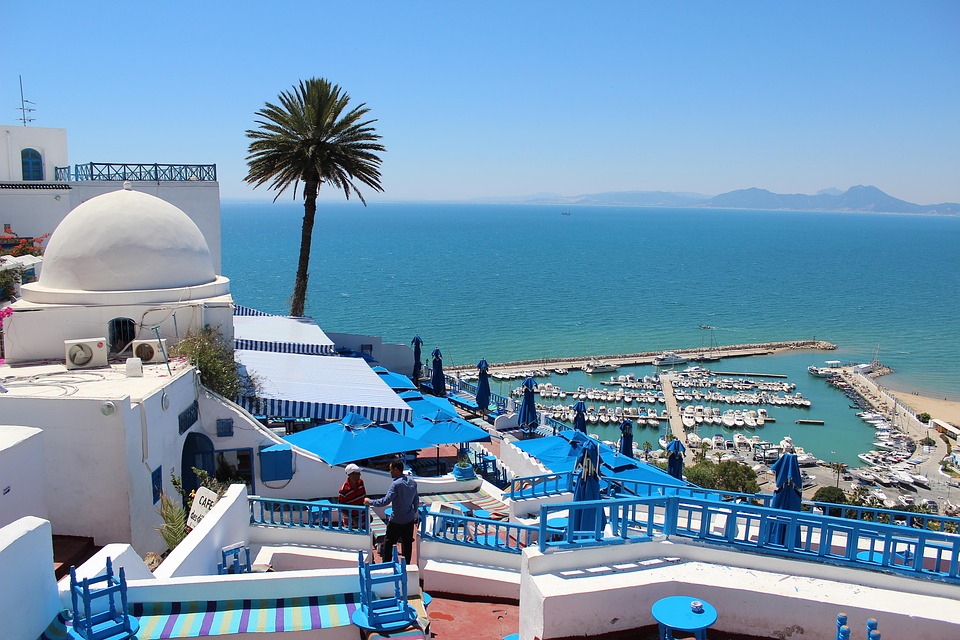
When most people think of Tunisia, images of Hammamet’s turquoise waters or the photogenic city of Sidi Bou Said immediately spring to mind. While these postcard-perfect locations are undeniably beautiful, exploring beyond these favourites can offer a more intimate, authentic, and enriching experience.
Think rustic Berber villages where time stands still, mystical Sahara landscapes untouched by modernisation, and ancient ruins as majestic as anything in Rome, yet with no crowds in sight. Off-the-beaten-path Tunisia holds a charm that resonates deeply with those craving something different.
So, if you’re ready to uncover secret gems and see Tunisia through the eyes of locals, here are the must-visit hidden spots that await exploration.
1. Ksar Ghilane: The Gateway to the Sahara
If you’re searching for a desert oasis straight out of a dream, Ksar Ghilane is your answer. Tucked away on the fringes of the vast Sahara Desert, this oasis offers the perfect escape into solitude and natural beauty. A warm spring bubbles serenely in the middle of this secluded haven, surrounded by palm trees and golden dunes stretching endlessly into the horizon.
Here’s what you can do at Ksar Ghilane:
- Camel Trekking: Journey like the Bedouins across rolling dunes. Camel treks at sunrise or sunset bring an otherworldly glow to the desert.
- Explore Roman Ruins: Nearby lies the remnants of the Roman fort Tisavar. It’s a history buff’s paradise, offering incredible insights into ancient times juxtaposed against the vast Sahara.
- Quad Biking on the Dunes: For those craving a thrill, quad biking through the desert sands offers an exhilarating experience.
2. Matmata: The Underground World
Ever wondered what it’s like to live under the earth? Welcome to Matmata, a small Berber town famed for its fascinating troglodyte homes. Dug deep into the ground to regulate temperature in the harsh desert environment, these ingenious structures offer a cool respite from the scorching heat above.
Matmata shot to global fame as the filming location of Luke Skywalker’s home in Star Wars: A New Hope. While it’s a mecca for sci-fi enthusiasts, visiting gives you a chance to interact with the kind-hearted locals still living in their underground residences.
3. Chebika: The Mountain Oasis
Hidden within the folds of the mountains near the Algerian border lies Chebika, a tranquil oasis that seems plucked from a movie set. A winding path will lead you to cascading waterfalls, natural pools, and gently swaying palms against a backdrop of rugged cliffs.
Fun fact: Chebika served as a filming location for The English Patient—proof of its dramatic and cinematic appeal. Pack your hiking shoes, as the adventurous trails promise breathtaking views of the surrounding landscapes.
4. El Kef: Tunisia’s Mountain Refuge
Perched high in the country’s northwest region, El Kef is an unassuming yet charming town worthy of exploration. With its winding medina streets, Ottoman-style architecture, and a historic citadel, El Kef offers travellers a chance to experience Tunisia’s heritage without the hustle of larger cities.
Must-see attractions:
- The Kasbah of El Kef: This fortified citadel boasts panoramic views of the countryside, ideal for photography.
- Ancient Churches: Unearth the area’s multi-religious past through historic churches and synagogues, many of which blend seamlessly with Islamic influences.
5. Beaches of Kerkennah Islands
When tranquillity calls, the Kerkennah Islands answer. Situated off Tunisia’s central coast, this archipelago offers laid-back vibes and shallow waters perfect for long strolls. Unlike Tunisia’s busier beachfronts, Kerkennah remains unspoiled and slow-paced, making it ideal for escaping the crowds.
While visiting Kerkennah, you’ll notice a lack of high-rise hotels—a deliberate feature to maintain its idyllic charm. Sample freshly caught seafood, ride traditional fishing boats, and enjoy the island’s unique type of calm.
6. Dougga: The Pompeii of Tunisia
Often overshadowed by the grandeur of Carthage, Dougga remains one of Tunisia’s best-preserved Roman towns, now a UNESCO World Heritage Site. Visitors can explore impeccable ruins, from the Temple of Saturn to the massive amphitheatre that once hosted up to 3,500 spectators.
Few ancient sites can match Dougga’s setting: perched on a hillside surrounded by the rolling plains of northern Tunisia, it’s a spot combining history with breathtaking scenery.
7. Tozeur: Where Desert Meets Art
Known for its distinct architectural style featuring intricate brick patterns, the desert town of Tozeur holds a magnetism all its own. It’s a hub of cultural creativity, with bustling souks, workshops, and galleries highlighting both traditional and modern Tunisian craftsmanship.
Key attractions:
- Dar Cherait Museum: A one-of-a-kind cultural experience showcasing historical artefacts, art, and furniture.
- Chott el Jerid: This salt pan transforms into a shimmering lake of mirages, creating incredible photo opportunities, especially at sunset.
8. Cap Bon Peninsula: The Garden of Tunisia
Far from the arid desert landscapes lies the luscious Cap Bon Peninsula, often referred to as Tunisia’s ‘Garden.’ Verdant rolling fields and orchards growing citrus fruits line this fertile region. It’s paradise for hikers, bird-watchers, and food lovers alike.
Notable stops:
- Nabeul’s Pottery Workshops: Watch artisans shape clay into vibrant, hand-painted ceramics.
- Korba Lagoon: Marvel at pink flamingos during their migratory season.
Practical Tips for Exploring Tunisia Off-the-Beaten-Path
Exploring Tunisia’s lesser-known spots requires preparation and cultural sensitivity. Here’s how you can make the most of your journey:
- Travel During Shoulder Seasons: Spring (March to May) and autumn (September to November) offer ideal weather with fewer crowds.
- Learn Basic Phrases in Arabic or French: Although English is useful in tourist hotspots, locals in smaller villages may not speak it fluently. Simple greetings in Arabic like Salam Alaikum go a long way.
- Dress Modestly: Tunisia is a conservative country; covering your shoulders and knees is courteous, especially in rural areas.
- Hire a Local Guide: For remote areas such as the Sahara and Berber villages, local guides add value with their knowledge and storytelling.
Plan Your Visit with Nihosi Travels & Tours
For those eager to uncover these hidden treasures of Tunisia, Nihosi Travels & Tours offers tailored experiences that dive deep beyond conventional itineraries. From luxury desert camps to guided cultural tours, they ensure every journey resonates with authenticity and wonder.
Visit www.nihositravels.com to start planning your next great adventure.
FAQs About Exploring Hidden Tunisia
Here’s a quick FAQ section to answer some common queries:
1. What is the best time to visit Tunisia’s hidden spots?
The best times are spring and autumn when the weather is comfortable for exploring both deserts and coastlines.
2. How safe is exploring off-the-beaten-path Tunisia?
Tunisia is generally safe for tourists. Stick to known regions, follow local advice, and hire reputable guides when visiting remote areas.
3. Are hidden Tunisia destinations accessible to international tourists?
Most major hidden spots, including Matmata and Tozeur, are accessible via public transport or private cars. However, regions like Ksar Ghilane might require a 4×4 vehicle.
4. Can I visit Tunisia’s desert regions without a guide?
It’s highly recommended to visit desert locations, such as Ksar Ghilane, with a knowledgeable guide for safety and a better experience.
5. What makes Dougga special compared to Carthage?
While both are UNESCO sights, Dougga is famed for its isolation and intact ruins, offering a more immersive Roman experience.
By delving into Tunisia’s hidden charms, you’ll discover experiences untouched by time and mass tourism. Beyond the beaches and bazaars lies a world rich with stories, waiting to be unearthed. Are you ready to uncover the soul of Tunisia?








Subscribe To Our Newsletter
Join our mailing list to receive the latest news and updates from our team.
You have Successfully Subscribed!