
Beyond Lemurs: Surprising Facts About Madagascar Every Traveler Should Know
Madagascar, the enchanting island nation off the southeastern coast of Africa, is synonymous with lemurs, its most iconic inhabitants. While lemurs certainly steal the show, there’s so much more to this biodiversity hotspot than its famous primates. From alien-like landscapes to untouched beaches, vibrant local culture, and bizarre wildlife, Madagascar offers an experience unlike any other destination.
If Madagascar has always been on your bucket list, or if it’s not yet there, this guide will reveal surprising facts to inspire and prepare you for an unforgettable journey. So, let’s dive beyond the lemurs and uncover the hidden treasures of Madagascar—a place full of surprises, wonder, and awe-inspiring adventures.
Welcome to Madagascar: A Country Like No Other
Madagascar is the fourth-largest island in the world, spanning over 587,000 square kilometres of diverse terrain. Located in the Indian Ocean, it separated from the African mainland more than 160 million years ago, leaving it a unique ecological sanctuary for flora and fauna found nowhere else on earth.
Its landscapes are as diverse as they are breathtaking: think jagged limestone formations known as “tsingys,” lush rainforests teeming with wildlife, dry spiny forests, and surreal, other-worldly deserts—all on one island. But there’s more than meets the eye.
Here are the surprising, lesser-known aspects of Madagascar every traveler should know.
1. Madagascar is a Living Laboratory for Wildlife
While lemurs often dominate conversations about Madagascar’s fauna, they are only the tip of the iceberg. This island is home to an incredible 90% of wildlife species found nowhere else on earth. Conservation biologists often call it a living laboratory due to its unrivalled biodiversity.
- Chameleons Galore: Did you know that almost half of the world’s chameleon species call Madagascar home? Some are tiny enough to fit on your fingertip, like the Brookesia chameleons, easily mistaken for fallen leaves.
- Strange Carnivores: Meet the fossa, a predator resembling a cat mixed with a mongoose. It’s Madagascar’s top carnivore, known for its agility and strength.
- The Baobab Curiosity: Madagascar boasts six of the world’s nine baobab species, towering trees that look straight out of a fantasy novel. They play significant ecological and cultural roles as symbols of endurance and life.
➡️ Pro Tip: If you’re a nature enthusiast, visit Masoala National Park or Andasibe-Mantadia National Park to dive into the heart of Madagascar’s wilderness.
2. Language and Culture: A Mélange of Africa and Asia
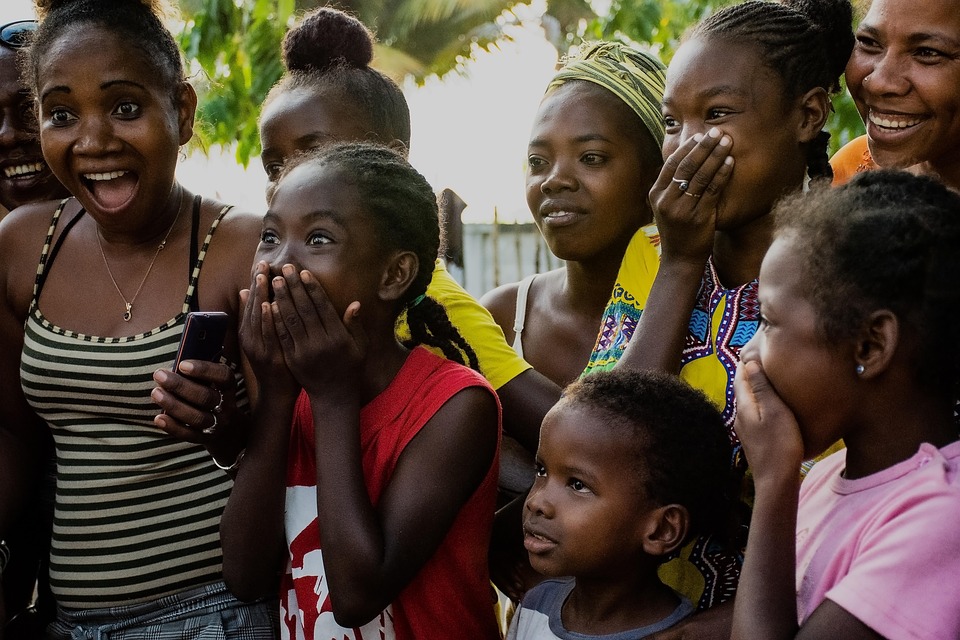
Madagascar’s rich culture is shaped by its historical ties between Africa and Asia. Its native Malagasy people are descendants of Austronesian sailors and African settlers, creating a unique blend of traditions, languages, and cuisines.
- The Malagasy Language: Malagasy is the official language, and it’s strikingly close to the language spoken in Borneo and Sulawesi, signifying the island’s Southeast Asian heritage.
- African Roots in Music and Dance: Drumming and oral storytelling reflect influences from the African mainland. Popular instruments like the valiha (a bamboo zither) bring a melodic signature to Malagasy songs.
- Hospitality Woven Into Life: Have you heard of “fihavanana”? This concept, deeply rooted in Malagasy culture, emphasises kinship, solidarity, and harmonious living—a warm introduction for visitors.
3. Beyond Vanilla: Madagascar’s Agricultural Treasures
You may know Madagascar for its world-class vanilla, as the country produces about 80% of the world’s supply of this beloved spice. But Madagascar’s agricultural offerings extend well beyond vanilla, signifying its role as a natural paradise in the culinary world.
- Cloves and Cocoa: Spices like cloves grow abundantly here, complemented by rich cocoa plantations creating some of the finest chocolate.
- Exotic Fruits: Love fruit? Madagascar surprises visitors with varieties like jackfruit, breadfruit, and tamarinds, not to mention the native prickly pear locally known as raketa.
➡️ Did you know? The vanilla orchid blooms one day a year, requiring manual pollination—an intricate process handled expertly by the Malagasy people.
4. The “Tsingy” Landscapes Are Out of This World
Welcome to one of the most surreal places on the planet: the Tsingy de Bemaraha National Park. This UNESCO World Heritage Site is an awe-inspiring expanse of jagged limestone karsts shaped over millennia by rainwater.
Known as “stone forests,” the Tsingy formations feature sharp pinnacles, caves, and crevices that stretch across the terrain. Walking through the labyrinth feels like entering a natural maze made by Mother Nature herself.
- Not for the Faint-Hearted: Exploring the Tsingy often involves climbing via fixed cables and braving suspended bridges, making it an adrenaline-filled escapade.
- A Unique Ecosystem: Among the pinnacles live diverse species found nowhere else, including many lemurs and reptiles. The park is a hotspot for adventure and nature lovers alike.
➡️ Best Time to Go: April to November, during Madagascar’s dry season, is prime time to visit the Tsingy safely.
5. Home to Pristine, Undiscovered Beaches
While Mauritius and Seychelles may dominate the Indian Ocean’s beach tourism, Madagascar quietly boasts some of the most stunning, untouched beaches in the world.
- Nosy Be: Often dubbed Madagascar’s beach paradise, Nosy Be is a small island off the northern coast renowned for turquoise waters, coral reefs, and the chance to swim alongside whale sharks.
- Ile Sainte Marie: This lesser-known gem once served as a pirate haven! Today, it’s ideal for snorkelling or spotting humpback whales from June to September.
- Anakao: If your itinerary includes a journey off the beaten path, venture to Anakao’s beaches for serenity and incredible diving experiences.
Whether you’re a fan of sunbathing, scuba diving, or sailing, Madagascar’s coastline delivers.
6. Malagasy Cuisine: A Fusion of Cultures
Madagascar’s food is a tantalising fusion of African, Asian, and European influences, resulting in some remarkable dishes. While street food options are widely available, don’t hesitate to try authentic flavours at family-run eateries.
- Rice is King: Malagasy people eat rice (vary) with nearly every meal, accompanied by dishes like romazava (beef stew) or ravitoto (stewed cassava leaves).
- Zebu Beef: Zebu cattle contribute to the island’s diet, whether as meat for kabobs or milk for cheese.
- Desserts Delight: Enjoy a sweet treat with mofo gasy (a Malagasy rice pancake) or indulge in coconut-based desserts.
Madagascar’s food scene is often overlooked but as rich and colourful as its landscapes.
7. Madagascar Is Striving for Sustainability
Although Madagascar faces challenges like deforestation, it’s also a beacon of hope for eco-tourism. Many local conservation groups actively work to safeguard its unique species and ecosystems through sustainable tourism efforts.
- Eco-Lodges: Many national parks now offer eco-lodges where travelers can enjoy the island’s splendour while minimising environmental impact.
- Marine Conservation: Marine protected areas, like Nosy Tanikely, aim to preserve coral reefs and marine life.
When visiting Madagascar, remember to choose sustainable excursions and accommodations that help support environmental conservation and local communities.
8. You Can Travel Back in Time
A trip to Madagascar feels like stepping into an ancient world. Aside from its unique ecosystem, the warmth of the Malagasy people and their close relationship with traditions gives the island an old-world charm.
Folks in Madagascar often rely on oral history, folklore, and ancestral rituals. Don’t be surprised if your hosts share stories of their ancestors or vibrant tales about the island’s mythical creatures.
FAQs: Frequently Asked Questions About Madagascar
To close this comprehensive guide, here’s a quick dive into the most common traveler questions:
1. What currency is used in Madagascar?
The local currency is the Malagasy Ariary (MGA). Credit card facilities are limited in rural areas, so bring cash when travelling outside city centres.
2. What is the best time to visit Madagascar?
The dry season from April to November is ideal for visiting most regions, including parks and beaches.
3. What language is spoken in Madagascar?
Malagasy is the primary language, though French is widely spoken, especially in urban areas. English is less common.
Ready to Explore Madagascar?
Whether you’re heading to Madagascar for its extraordinary wildlife or its stunning beaches, there’s no shortage of reasons to make this your next destination. For those planning their trip, Nihosi Travels & Tours can help design a customised Madagascar itinerary with expert guides for a seamless experience.
Every corner of Madagascar tells a new story—are you ready to discover it?







Subscribe To Our Newsletter
Join our mailing list to receive the latest news and updates from our team.
You have Successfully Subscribed!