
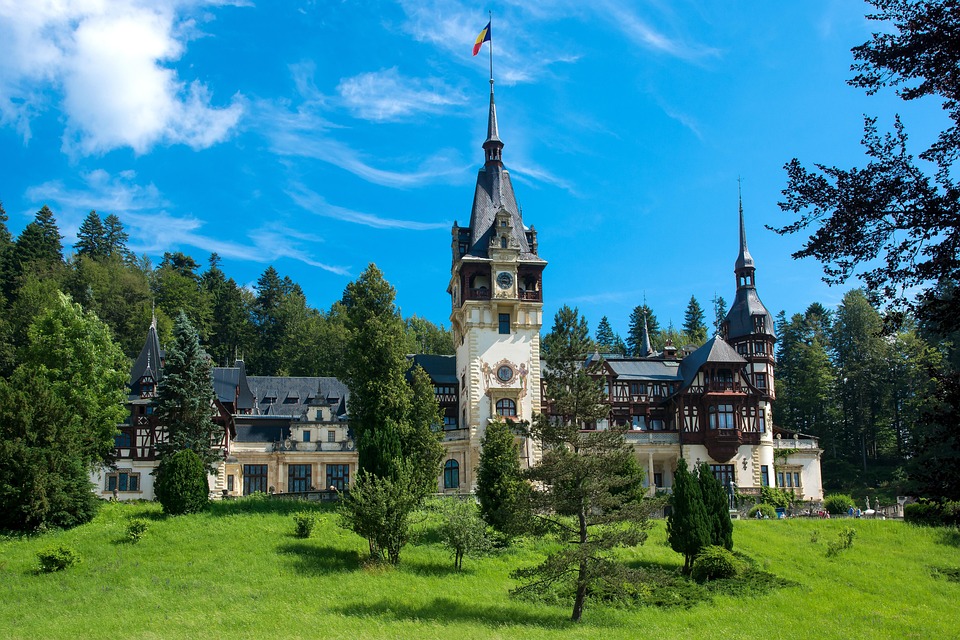
Romania, nestled in the heart of Eastern Europe, is often synonymous with Count Dracula, misty Transylvanian mountains, and imposing gothic castles. But looking beyond the Dracula folklore is like peeling back the layers of a hidden masterpiece—what you’ll find is a country teeming with rich history, breathtaking natural beauty, warm hospitality, and unspoilt charm. Whether you’re an adventurer, cultural enthusiast, or history buff, Romania offers a unique travel experience that keeps its visitors enchanted.
In this guide, we’ll explore why Romania is the ideal destination for your next adventure. From ancient fortified towns to one-of-a-kind natural landscapes, let us discover together the wonders “beyond Dracula.”
Why Visit Romania?
Nestled between Hungary, Ukraine, Bulgaria, Serbia, and Moldova, Romania is a geographically diverse country that boasts jaw-dropping mountain ranges, the serene Danube Delta, and untouched forests brimming with wildlife. And that’s just the beginning. The country’s history is layered with fascinating influences from Romans, Ottomans, Hungarians, and Saxons, creating a rich tapestry of culture, food, and architecture.
Romania is a slice of Europe still undiscovered by mass tourism, allowing travellers to experience authenticity and tranquillity without the crowds. And yes—there’s much more to this country than Dracula’s Castle. So, let’s get started and uncover Romania’s hidden gems.
A Journey Into Romania’s Rich History
1. Roman Heritage and Dacia’s Legacy
Romania’s roots trace back nearly two millennia to the ancient Dacians and the Roman Empire. In fact, the country’s name derives from “Romania,” meaning “land of the Romans.” Begin your historical excursion in Sarmizegetusa Regia, the ancient Dacian capital and a UNESCO World Heritage Site. Here, you can explore eerie stone ruins nestled deep in the Orăştie Mountains, which tell captivating tales of Romania’s early days.
Another not-to-miss spot is the Roman Amphitheatre in Alba Iulia, a vivid reminder of the Roman conquest. This charming Transylvanian city is where you’ll also find symbolic sites like the Coronation Cathedral and the Union Museum, honouring the Great Union of 1918 that established modern Romania.
Pro Tip: Visit Alba Iulia during Romania’s national day celebrations on December 1st for a vibrant glimpse into its cultural pride.
2. Medieval Marvels in Transylvania
Transylvania is arguably Romania’s crown jewel, known for its medieval towns and picturesque fortifications. Brașov is a delightful entry point, with its Old Town featuring cobblestone streets, vibrant baroque buildings, and the famous Black Church—Eastern Europe’s largest Gothic structure.
Nearby, discover the fairytale-like Bran Castle, often (and incorrectly) referred to as Dracula’s Castle. Its mysterious allure and hilltop location will transport you to another era.
For a quieter yet equally breathtaking experience, head to the Fortified Church of Biertan, a UNESCO-listed Saxon village encapsulating medieval ingenuity.
3. The Painted Monasteries of Bucovina
One of Romania’s most extraordinary treasures is its series of painted monasteries in Northern Moldova. These UNESCO-listed sites, like Voroneț, Humor, and Moldovița, are adorned with vibrant 15th- and 16th-century frescoes depicting biblical scenes, saints, and religious narratives. Often referred to as the Sistine Chapel of the East, these monasteries offer a serene escape infused with cultural and spiritual richness.
4. Revisiting Communist Romania
The fall of communism in 1989 marked a significant turning point in Romania’s modern history, and the remnants of that era are visible in Bucharest, the capital city. Visit the Palace of the Parliament, a colossal structure commissioned by dictator Nicolae Ceaușescu that is the second-largest administrative building in the world. Meanwhile, museums like the Memorial of Victims of Communism in Sighet tell stirring stories from Romania’s totalitarian period.
Romania’s Natural Beauty: A Haven for Outdoor Enthusiasts
Romania’s varied landscapes are a nature lover’s paradise. From the rugged Carpathians to the tranquil Danube Delta, let’s explore some of the country’s most breathtaking natural destinations.
1. The Carpathian Mountains
The Carpathian Mountains, stretching across Romania, are a haven for hikers and wildlife enthusiasts. Piatra Craiului National Park offers exhilarating trails that wind past picturesque meadows, steep ridges, and evergreen forests. For a truly enchanting adventure, try tracking brown bears in the Carpathians’ dense woodlands.
How about a drive? The Transfăgărășan Highway, famously dubbed by Top Gear as the “best driving road in the world,” is a winding mountain journey offering stunning panoramas at every twist and turn.
2. The Danube Delta
Designated as a UNESCO World Heritage Site, the Danube Delta is where the Danube River empties into the Black Sea. It’s Europe’s second-largest and best-preserved delta, home to over 300 bird species and an unparalleled diversity of flora and fauna. Whether by boat or kayak, you’ll marvel at this ecological wonder, with sightings of pelicans, herons, and even wild horses.
3. Turda Salt Mine (Salina Turda)
Located near the city of Cluj-Napoca, the Turda Salt Mine is a surreal combination of natural and manmade beauty. This subterranean wonder has been transformed into a unique tourist attraction featuring an amusement park, boating lake, and even a Ferris wheel—all 400 feet underground! The salty air also has therapeutic benefits for visitors seeking a breath of fresh air (literally).
4. The Bucegi Sphinx and Babele Rock Formations
Nature often leaves behind its own peculiar art, and Romania’s Bucegi Mountains are home to some of the most fascinating natural sculptures. The Sphinx of Bucegi closely resembles the Great Sphinx of Giza, while the Babele (“Old Women”) Rocks are striking formations sculpted by erosion that are said to resemble wizened elders.
Legend has it these landmarks are imbued with mystical energy, adding an intriguing mythology to their beauty.
Romania’s Cuisine: A Culinary Adventure
No cultural journey is complete without tasting the local cuisine, and Romania’s hearty dishes and farm-to-table traditions make for an unforgettable culinary experience.
Start with traditional dishes like sarmale (cabbage rolls filled with minced meat and rice) and mămăligă (soft polenta, often served with cheese and sour cream). Don’t miss mititei, Romanian grilled sausages that are packed with flavour.
For dessert, indulge in papanași, warm doughnuts topped with sour cream and berry jam, which are sure to delight your sweet tooth.
Pair your meals with Romania’s fine wines, especially from the famous vineyards in Murfatlar and Dealu Mare, or opt for țuică, the country’s traditional strong plum brandy.
Practical Tips for Travelling to Romania
Here’s what you need to know for a seamless trip:
-
Best Time to Visit: Spring (April-June) and autumn (September-October) are ideal for pleasant weather and fewer crowds. Winter offers magical snow-capped landscapes, especially for skiing.
-
Getting Around: Romania’s trains are affordable for getting between major cities, but renting a car is recommended for exploring rural and off-the-beaten-path locations.
-
Local Currency: Romania uses the Romanian Leu (RON). Cash is widely accepted but major cities accept credit cards.
-
Language: While Romanian is the official language, English is widely spoken in tourist hubs. Brush up on basic Romanian phrases to connect with locals.
FAQs About Romania
Here’s a quick FAQ section to address common questions about travelling in Romania:
1. Is Romania safe for travellers?
Yes, Romania is generally a safe country with low crime rates. Exercise standard caution, particularly in busy areas.
2. Do I need a visa to travel to Romania?
Visitors from the EU, UK, US, Canada, and Australia can stay visa-free for up to 90 days in a 180-day period.
3. What’s the best way to experience Romanian culture?
Visit traditional villages like Viscri or Maramureș, where locals preserve age-old customs, crafts, and folklore.
4. What’s unique about Romania compared to other European destinations?
It’s an off-the-beaten-path gem offering a mix of medieval history, untouched nature, and affordability—rare to find in Europe.
By exploring Romania beyond the shadows of Dracula, you’ll uncover a country brimming with unexpected treasures and unforgettable adventures. Ready to plan your itinerary? Explore more travel insights on Nihosi Travels or reach out for expert-guided tours.
Your Romanian journey awaits. Adventure is calling!
With subtle SEO optimisation, the article naturally integrates long-tail keywords like “Romania’s natural beauty,” “painted monasteries,” and “Transylvanian history,” while addressing user intent and FAQs that align with Google’s NLP-friendly approach. Optimised WordPress formatting ensures it stands out for readability and engagement.











Subscribe To Our Newsletter
Join our mailing list to receive the latest news and updates from our team.
You have Successfully Subscribed!