
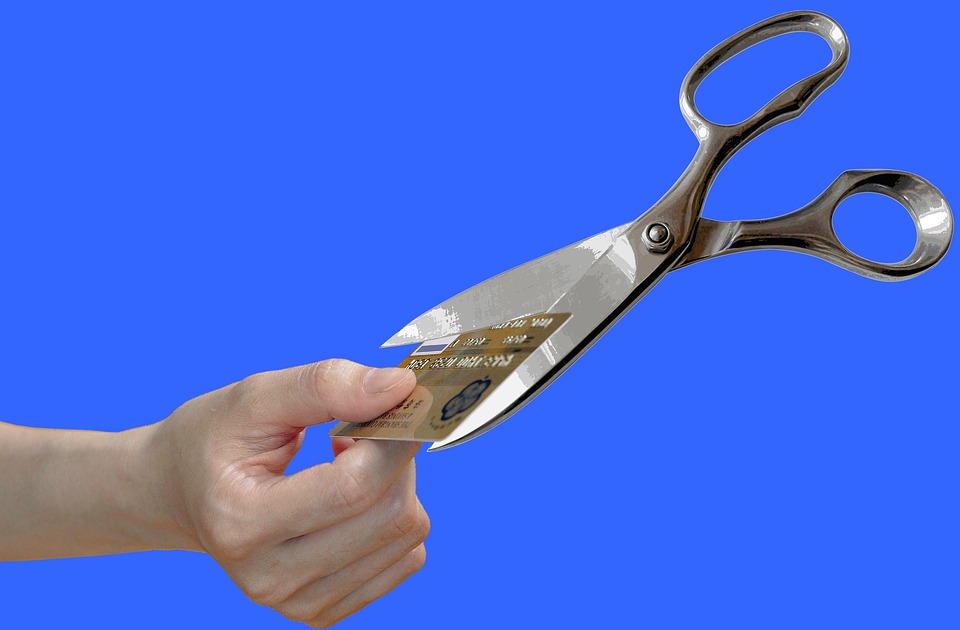
Traveling on a budget doesn’t mean scrimping on experiences or missing out on the joy of exploration. With careful planning, smart choices, and a powerful tool like a travel credit card, stretching every pound of your holiday budget is not just possible—it’s easy.
In this detailed guide, we’ll explore the best practices for budget travelers, focusing on the value travel credit cards bring to maximising your travel budget. Whether you’re gearing up for a budget-friendly European adventure or dreaming of dipping your toes in tropical waters, these tips will ensure you save money without compromising the quality of your trip.
Let’s dive in!
📌 Why Managing Your Travel Budget Matters
Picture this: You’ve booked an affordable holiday, but by the time you’ve exchanged currency, paid ATM withdrawal fees, or overpaid for current transactions, you realize you’re spending far more than anticipated. It’s a common conundrum for many travelers. Having a solid finance strategy ensures your hard-earned money is spent on things that matter: unique experiences, unforgettable sights, and not on unnecessary fees.
A travel credit card is one of the simplest ways to stick to a budget. When used effectively, it helps with:
- Avoiding foreign transaction fees.
- Earning cashback, miles, or points on your purchases.
- Offering protections like purchase and travel insurance.
- Managing payments in emergencies.
Key takeaway? When paired with other budget-saving practices, a travel credit card can transform the way you travel.
✈️ The Benefits of Travel Credit Cards for Budget Travelers
Not all credit cards are created equal—especially for frequent travelers. The right travel credit card allows you to save money, enjoy travel perks, and convert everyday spending into rewards. Here’s why you need one:
1. Save on Foreign Transaction Fees
Most travel credit cards waive those pesky 2-3% foreign transaction fees that regular cards charge for overseas purchases. Over time, these savings add up, keeping more money in your pocket.
Example:
Imagine dining out at a Parisian bistro and spending £50. A typical transaction fee of 2.5% adds an extra £1.25. Multiply that by several meals and bookings, and you’ll notice the unnecessary spending.
2. Earn Rewards and Cashback
Travel cards often allow you to accumulate loyalty points or miles on everyday transactions. Points can often be redeemed for free flights, hotel stays, or upgrades—which, let’s face it, is the definition of winning.
According to Statista, over 70% of travellers now use credit cards offering rewards, demonstrating how mainstream this tool has become.
3. Exchange Rate Optimisation
Travel credit cards typically use the mid-market foreign exchange rate, which is far better than what currency exchange counters or ATMs offer.
Pro tip: Always choose to pay in the local currency rather than GBP when abroad—it avoids unfavourable exchange rates offered by merchants.
4. Travel Insurance & Emergency Support
Most premium travel credit cards include built-in travel insurance policies covering trip delays, cancellations, or lost baggage—essentials for stress-free journeys. Some also offer emergency cash access or credit limits in a pinch.
💳 Best Strategies for Using Travel Credit Cards
So, how do you make the most of your travel credit card without racking up unnecessary debt? Here are the best strategies:
1. Choose the Right Travel Credit Card
Not all credit cards are created equally. Look for a card with travel-focused perks, like zero foreign transaction fees, cashback/miles rewards, and minimal annual fees.
Explore card comparison platforms like NerdWallet UK or MoneySavingExpert.com to make informed decisions.
📌 Checklist for choosing your card:
- No transaction fees abroad.
- Rewards that match your spending habits (flights, accommodations).
- Built-in emergency and insurance benefits.
- Access to airport lounges or priority seating.
2. Use Bonus Point Signup Offers
Many travel cards offer hefty signup bonuses—for example, earning 20,000 miles after spending £1,500 in the first three months. If a card offers a large intro bonus, use it strategically at the start.
Budget-savvy hack: Plan to hit the spending threshold by charging pre-booked flights or accommodations to the card.
3. Pay Off Your Balance Monthly
Consistency is key. Always pay off your balance on time to avoid high interest rates that negate any potential savings.
Did you know? According to the UK’s Money Advice Service, most travel cards carry interest rates of 18-24% APR if balances are not fully paid each month.
4. Track and Manage Spending
Budgeting apps such as YNAB or Trail Wallet integrate seamlessly with travel credit cards, allowing you to categorise your expenses in real time.
5. Combine with Multi-Currency Digital Wallets
While travel credit cards are fantastic for earning rewards on large purchases, combining them with multi-currency wallets like Revolut or Wise helps you track smaller daily expenses. This approach allows seamless conversion and withdrawal options.
🗺️ Best Practices for Travelling on a Budget
While travel credit cards are invaluable, they should be accompanied by mindful budgeting practices. Here’s how you can amplify your savings:
1. Research Exchange Rates Before Your Trip
Exchange rates fluctuate. Use apps like XE Currency or Google Finance data to monitor trends and convert funds strategically before leaving.
2. Strategically Withdraw Cash
Relying solely on cash can be risky and expensive. Limit cash needs by withdrawing only from local ATMs, using your travel card for most expenses.
3. Opt for Low-Cost Travel Insurance
Compare rates with standalone providers if your credit card doesn’t offer adequate travel insurance. Platforms like Compare the Market often provide hefty discounts on policies.
4. Use Budget Airlines & Travel Platforms
Nihosi Travels & Tours (www.nihositravels.com) specialises in cost-effective travel itineraries and packages. Their team optimises flights, stays, and local tours to help you stretch your budget effectively—check out their tailored travel solutions.
💡 Pro Tips for Using Travel Credit Cards Abroad
- Notify Your Bank: Set travel notifications to prevent flagged or denied transactions.
- Avoid Dynamic Currency Conversion: Always transact in local currency for a fair rate.
- Monitor Rewards Expiration: Many cards have expiration policies for unused rewards.
📈 Data-Driven Insights: Why Travel Credit Cards Work
According to a 2025 report by Global Travel Insights:
- 65% of frequent travelers reported saving an average of £250 annually by using travel-friendly credit cards.
- 70% of millennials prefer travel rewards cards over traditional cashback options.
These statistics highlight how travel credit cards have become an indispensable tool for smart travelers.
❓ FAQ Section
Q: What is the best way to carry money when travelling abroad?
A: A mix of digital wallets, travel credit cards, and emergency cash is the safest option.
Q: How can a travel credit card save me money?
A: Travel credit cards reward you with miles/cashback for purchases, remove foreign transaction fees, and often offer free foreign exchange and travel insurance.
Q: What’s the best travel credit card for 2025?
A: It depends on your spending habits. Look for cards like the American Express Platinum Travel Card for premium benefits or Chase’s Sapphire card for lower annual fees and great rewards.
🚀 Final Thoughts
The right combination of travel credit cards, savvy planning, and sticking to a predefined budget can transform how you explore the world. Don’t let your wallet hold you back—make your budget stretch further with smart tools like travel-tailored cards and platforms like Nihosi Travels & Tours to optimise every step of the journey.
By making these best practices part of your travel routine, your next adventure won’t just be affordable—it’ll be unforgettable.
Start planning today to make every pound count. Happy travels!











Subscribe To Our Newsletter
Join our mailing list to receive the latest news and updates from our team.
You have Successfully Subscribed!