
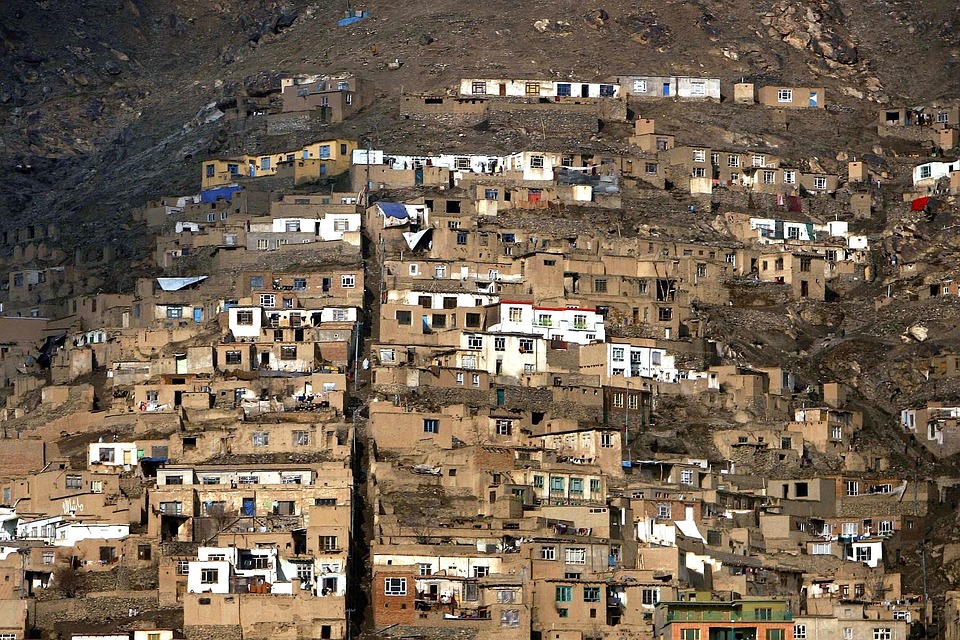
If you’re an adventurous traveller craving a truly unique experience, Afghanistan offers one of the last frontiers of raw, unfiltered beauty and a deep dive into history that dates back centuries. From the awe-inspiring ruins of Bamiyan’s Buddhas to the high-altitude splendour of the Wakhan Corridor, this stunning yet often misunderstood country boasts an incredible range of unforgettable travel destinations.
Packed with awe-striking landscapes, ancient heritage sites, and a rich blend of cultures, there’s far more to Afghanistan than what most headlines suggest. This guide takes you on a virtual journey through Afghanistan’s most captivating travel spots, offering tips and insights into exploring this astonishingly beautiful nation. Whether you’re an ardent explorer or just seeking knowledge about fascinating corners of the world, let us dive into this remarkable adventure.
Bamiyan: Land of History, Legends, and the Famous Buddhas
Bamiyan, cradled in the heart of Afghanistan, is a historic treasure trove renowned globally for the colossal Buddhas of Bamiyan. These magnificent statues, carved into sheer sandstone cliffs nearly 1,500 years ago, speak of Afghanistan’s once-vibrant Buddhist past.
Tragically destroyed in 2001, the empty niches where the Buddhas stood still mesmerise visitors, offering a meditative space steeped in spirituality and history. Today, both academics and travellers alike marvel at these hauntingly beautiful spaces. Efforts to preserve and restore parts of the site are ongoing, reinstating its cultural importance on a global scale.
What’s Nearby?
Don’t miss Shahr-e Gholghola (the City of Screams), a fascinating ancient fortress overlooking the Bamiyan Valley. It’s said to have been a thriving city until its destruction during Genghis Khan’s conquest. For outdoor lovers, the azure Band-e Amir National Park is nearby—a collection of six serene, sapphire-hued lakes that invite serene boat rides, hiking adventures, or quiet moments to reconnect with nature.
Pro Tip: Visit Bamiyan in spring or summer for pleasant weather and blooming landscapes perfect for capturing photos.
The Enigmatic Wakhan Corridor
Ever wonder what it feels like to trek where one foot is in Central Asia and the other connects with South Asia? Enter the Wakhan Corridor—a geographically stunning narrow strip of land wedged between towering mountains at the crossroads of multiple ancient cultures.
Stretching between Pakistan in the south and Tajikistan in the north, this high-altitude wilderness is Afghanistan at its most remote and surreal. Home to yak caravans, serene pastures, and nomadic Kyrgyz and Wakhi communities, Wakhan offers visitors a chance to witness life untouched by modernity.
With breathtaking views of the Hindukush and Pamir mountain ranges, rugged trekking trails, and opportunities for cultural exchanges, the Wakhan Corridor feels like stepping back in time.
Cultural Immersion Experience
Engage with the warm hospitality of the Wakhi people by spending a few nights in their traditional mud homes or yurts. Sample delicious yak butter tea, freshly baked bread, and other local specialties.
Travel Tip: Plan your visit thoroughly. The Wakhan Corridor is not for casual travellers—permits, guides, and detailed logistical work are a must.
Herat: A Cultural Crossroads
If you’re a history aficionado, Herat will transport you through time with its Persian influences and architectural wonders. Once dubbed “The Pearl of Khorasan,” this city was a vital stop along the ancient Silk Road, and its charm resides in its remarkably well-preserved mosques, madrasas, and marketplaces.
Must-visit landmarks include:
- Friday Mosque (Masjid-e-Jameh): Famous for its mesmerising turquoise tiles and dazzling mosaics, this is one of the jewels of Islamic architecture.
- Herat Citadel: Known as the Citadel of Alexander, it is rumoured to date back to the time of Alexander the Great. The structure itself stands as a testament to the region’s layered history.
- Caravanserais & Traditional Bazaars: Take your time exploring the bustling bazaars filled with silk, saffron, and exquisite handicrafts unique to Herat’s artisans.
The Panjshir Valley: Nature and Resilience
Nestled amid the towering peaks of the Hindu Kush, the Panjshir Valley is renowned for both its stunning natural beauty and its historical role as a bastion of resistance. Almost untouched by external developments, this lush valley offers idyllic trekking opportunities, riverfront camping spots, and breathtaking panoramic views.
The Panjshir Valley also holds cultural and historical significance, as it became synonymous with the Afghan Mujahideen during the Soviet invasion in the 1980s. Today, visitors can explore its unique blend of natural and historical allure.
Kandahar: The Cradle of Modern Afghanistan
Kandahar, often called the cultural heart of Afghanistan, holds immense historical significance as the birthplace of the modern Afghan state. This city offers a mix of historical landmarks, traditional bazaars, and authentic Pashtun culture.
Top Sites in Kandahar:
- The Mausoleum of Ahmad Shah Durrani: Known as the founder of modern Afghanistan, Ahmad Shah Durrani’s mausoleum is an architectural gem and a place of quiet reflection.
- The Great Mosque of Kandahar: Holding the sacred cloak of Prophet Muhammad (according to local tradition), this mosque is central to Afghanistan’s religious identity.
Nuristan: Afghanistan’s Hidden Gem
Tucked away in eastern Afghanistan, near the Pakistani border, Nuristan is where lush forests meet mystic mountain villages. Once called Kafiristan (Land of the Infidels) before the region’s conversion to Islam in the late 19th century, Nuristan remains off-the-beaten-path due to its challenging accessibility.
For intrepid adventurers, Nuristan offers dense forests, picturesque streams, and a close encounter with the homes of the Nuristani people—one of Afghanistan’s most distinct ethnic groups. Paths lead to charming stone-lined villages, where you can experience a way of life seemingly untouched by time.
Pro Tip: Carry sufficient supplies, as there are exceptionally few amenities for travellers in these rugged regions.
Mazar-e-Sharif: The Jewel of the North
Mazar-e-Sharif owes its fame to the iconic Blue Mosque (Shrine of Hazrat Ali), arguably one of the most beautiful mosques in the Islamic world. With its elaborate blue-tiled domes, the mosque serves as both a religious hub and a haven for architecture enthusiasts.
The city also hosts the Nowruz (Persian New Year) festival in spring, drawing thousands of people for cultural celebrations, music, and traditional Afghan dance.
Pul-e-Khumri to Samangan: Uncharted Wonders
On the way from Pul-e-Khumri to Samangan, you’ll encounter unusual yet mesmerising sites like the Takht-i-Rustam Buddhist caves. This architectural curiosity features a monolithic stupa surrounded by an underground monastery carved out of the rock. Samangan itself is a tranquil town that reveals Afghanistan’s lesser-explored Buddhist history.
Safety and Travel Tips
While the beauty and history of Afghanistan are unparalleled, safety considerations are mandatory. Here’s how you can make your trip as smooth as possible:
- Travel only with reputable guides or local operators who know the terrain, cultural nuances, and risks on the ground.
- Secure permits for restricted areas like the Wakhan Corridor well in advance.
- Stay updated on travel advisories by checking government travel alerts.
Tour Tip: Companies like Nihosi Travels & Tours can help you tailor a safe and rewarding journey through Afghanistan’s stunning locales.
FAQs: Everything You Need to Know
1. Is it safe to travel to Afghanistan?
Safety is a top concern in Afghanistan, and conditions vary greatly depending on the region. Always research current security updates, hire knowledgeable local guides, and stick to safer areas like Bamiyan and the Wakhan Corridor.
2. When is the best time to visit Afghanistan?
Spring (March-May) and autumn (September-November) offer the best weather for most regions, avoiding extreme heat or bitter cold.
3. Do I need a visa for Afghanistan?
Yes, travellers need a visa for Afghanistan. Contact the nearest Afghan embassy or consulate for updated entry requirements.
Conclusion
From Bamiyan’s breathtaking niches to the untamed wilderness of the Wakhan Corridor, Afghanistan’s travel offerings defy conventional expectations. This country’s unspoiled landscapes, coupled with its rich history and vibrant cultures, create a unique allure for curious adventurers.
Ready to explore Afghanistan’s remarkable destinations? Visit Nihosi Travels & Tours today to plan your dream expedition through one of the most awe-inspiring corners of the world.
Explore. Learn. Experience Afghanistan’s untold stories.










Subscribe To Our Newsletter
Join our mailing list to receive the latest news and updates from our team.
You have Successfully Subscribed!