
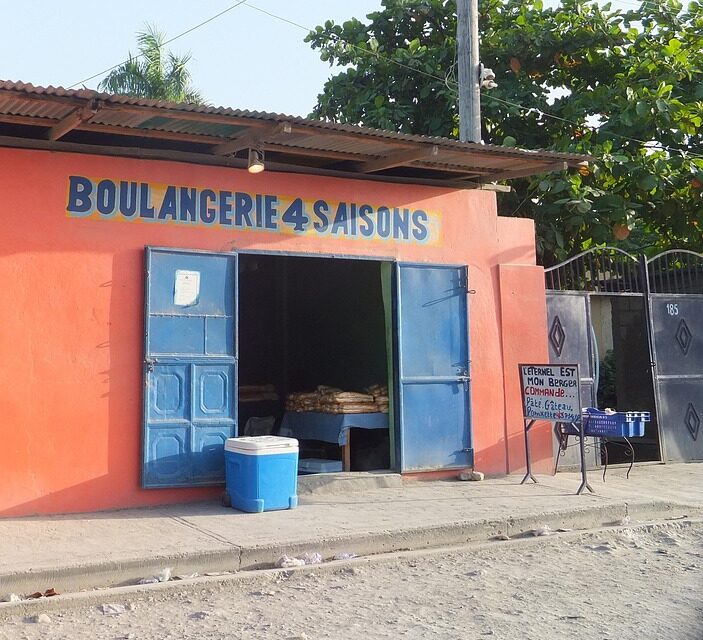
Experience Authentic Haiti: Top Travel Tips and Must-See Destinations for Every Adventurer
Haiti, a land of vibrant culture, stunning landscapes, and deep historical significance, has long been overshadowed by misconceptions. Yet, for those longing for an off-the-beaten-path adventure, this Caribbean jewel offers unparalleled opportunities. From idyllic beaches to lush mountain ranges, Haiti boasts a depth of experiences that make it a must-visit destination. If you’re considering exploring this unique nation, this article will guide you through top travel tips, must-see destinations, and local insights to help you unlock the authentic beauty of Haiti.
Whether you’re an intrepid backpacker, a history enthusiast, or a leisure traveller intrigued by cultural immersion, Haiti has something extraordinary to offer.
Why Choose Haiti for Your Next Adventure?
Haiti is unlike any other destination in the Caribbean. While its neighbours like Jamaica and the Dominican Republic attract millions of tourists annually to all-inclusive resorts, Haiti stands apart as a destination where authenticity reigns supreme. With its unspoiled natural wonders, rich Afro-Caribbean heritage, and unique fusion of French and Creole influences, visiting Haiti is akin to stepping back in time and witnessing culture in its rawest, most beautiful form.
Rather than taking the scripted, tourist-centric path, in Haiti you’ll find a country bursting with energy, colour, and stories waiting to be told. Let’s explore why Haiti deserves a spot on your travel bucket list.
Top Travel Tips for Visiting Haiti
While Haiti promises unforgettable experiences, navigating the country as a traveller requires careful preparation. Here’s what you need to know before you go:
1. Understand the Culture
Haiti’s culture is the lifeblood of its daily life. Steeped in a mix of African traditions and French colonial influences, it has given birth to unique art, cuisine, language, and music. Vodou, often misunderstood, plays a deep spiritual and cultural role, and understanding its significance is key to grasping the roots of Haitian culture.
Tip: While English is spoken in some tourist hotspots, Haitian Creole and French are the dominant languages. A few basic Creole phrases, such as “Mèsi” (thank you) or “Bonjou” (good morning), can go a long way in connecting with locals.
2. Timing Is Everything
The best time to visit Haiti is during the dry season, which runs from November to April. This period offers pleasant weather perfect for hiking, sightseeing, and enjoying the beaches. Avoid the rainy season between May and October, as flooding can hinder travel plans.
3. Travel Essentials
Pack light and include essentials such as sunscreen, sturdy walking shoes, insect repellent, and a refillable water bottle. Don’t forget a good power bank or portable charger, as power outages are common.
Famously known for its vibrant festivals and public celebrations, it’s always worth checking Haiti’s calendar of events before you go. Whether it’s the Jacmel Carnival or Independence Day on 1st January, these festivities offer incredible insights into Haitian history and community spirit.
Must-See Destinations in Haiti
1. Port-au-Prince – The Heartbeat of Haiti
Begin your adventure in the bustling capital city of Port-au-Prince. Despite its chaotic charm, the city offers some of the best insights into Haitian life and culture. Head to Musée du Panthéon National Haïtien (MUPANAH) to learn about the country’s revolutionary history, or visit the bright and colourful Iron Market (Marché en Fer) to sample local flavours and admire handcrafted Haitian art.
For architecture enthusiasts, the Cathedral of Port-au-Prince and the surrounding gingerbread houses are a must-see.
2. Jacmel – The Creative Haven
A haven for artists and creators, Jacmel is a coastal town known for its laid-back vibe and artsy charm. Wander along its streets to explore murals, mosaic art, and colonial-era buildings showcasing Haiti’s creative soul. Plan your visit to coincide with the city’s carnival celebrations to witness the nation’s artistry and culture in full swing.
3. Cap-Haïtien – Echoes of Revolution
Often referred to as “Le Cap”, Cap-Haïtien is a treasure trove of historical landmarks. Just outside the city lies the Citadelle Laferrière, a UNESCO World Heritage Site and one of the most impressive fortresses in the Americas. Built after independence to deter French attacks, it stands as a symbol of freedom and resilience.
Combine your visit with a trip to Sans-Souci Palace, the grand home of King Henri Christophe, one of Haiti’s revolutionary leaders.
4. Labadee – Cruise Stop Paradise
Famous among cruise travellers, Labadee is a luxurious enclave on Haiti’s northern coast. It’s perfect for those in search of relaxation. Pristine beaches, crystal-clear waters, and adventure activities like zip-lining and water sports make Labadee ideal for adventurers and sun-seekers alike.
5. Bassin Bleu
Escape into Haiti’s lush mountains with a trek to Bassin Bleu, a stunning collection of turquoise pools and cascading waterfalls tucked away near Jacmel. Whether you’re jumping off ledges into deep blue water or simply enjoying the tranquil atmosphere, this hidden gem is bound to steal your heart.
Haitian Cuisine: A Taste You Won’t Forget
No trip to Haiti is complete without indulging in its extraordinary culinary offerings, which fuse African, Taino, and French influences. Here are some must-try dishes:
- Griot: Deliciously seasoned and fried pork chunks, often served with fried plantains.
- Tassot: Spiced and fried beef or goat, perfect for a hearty meal.
- Soup Joumou: A rich and aromatic pumpkin soup that symbolises Haiti’s hard-won independence.
- Accra: Crisp and flavourful fritters made from malanga, a type of root vegetable.
Pair your meal with a refreshing glass of Haitian rum or locally brewed Prestige beer. If you have a sweet tooth, don’t miss trying Dous Makos, a distinctively Haitian candy made with condensed milk and vanilla.
Safety Tips for Travellers
While Haiti is a beautiful and rewarding destination, it’s essential to take personal safety seriously. Political instability and social unrest do occur, so staying informed is key.
- Travel with a Guide: Opt for reputable local guides or companies like Nihosi Travels & Tours, who are familiar with the country’s landscapes and can safely navigate you through its wonders.
- Transportation: Stick to official taxis or pre-arranged private drivers. Public transportation, such as “tap-taps,” can be overwhelming for first-time visitors.
- Stay Connected: Notify someone back home of your travel plans and always keep local emergency numbers handy.
Sustainable Travel in Haiti
Haiti’s natural beauty is fragile and deserving of protection. Embracing sustainable travel practices ensures that your visit supports local communities while minimising environmental impacts.
- Support Local Businesses: Buy handmade souvenirs, dine at locally-owned restaurants, and choose accommodations that employ Haitians.
- Eco-Tourism: Explore places such as Macaya National Park and contribute to conservation efforts by hiring local eco-guides.
- Travel Responsibly: Avoid single-use plastics and respect local customs and traditions.
Final Thoughts: Why Haiti Deserves Your Attention
Haiti is much more than its headlines. It’s a land of resilience, rich traditions, and awe-inspiring beauty. Every sunrise over its mountains, every tidal crash on its beaches, and every warm “Bonjou” from a local leaves an indelible mark on the heart of every visitor.
So, pack your bags and embark on a journey that will challenge your perspective, enrich your understanding of the world, and allow you to truly experience authentic Haiti.
Frequently Asked Questions (FAQs)
1. Is Haiti safe for tourists?
While Haiti has experienced challenges, areas popular with tourists like Jacmel, Cap-Haïtien, and Labadee are generally safe. Hiring a local guide enhances both safety and your experience.
2. What is the best time of year to visit Haiti?
The dry season, from November to April, is ideal for visiting Haiti due to its pleasant weather and accessibility.
3. What currency is used in Haiti?
Haitian Gourde (HTG) is the official currency, but US Dollars are widely accepted in most parts of the country.
Would you like to dive deeper into Haitian culture or need help planning your itinerary? Visit www.nihosi.com for tailored travel tips and guided tours!









Subscribe To Our Newsletter
Join our mailing list to receive the latest news and updates from our team.
You have Successfully Subscribed!