
Authentic Ecuador: A Traveler’s Guide to Its Culture, Food, and History
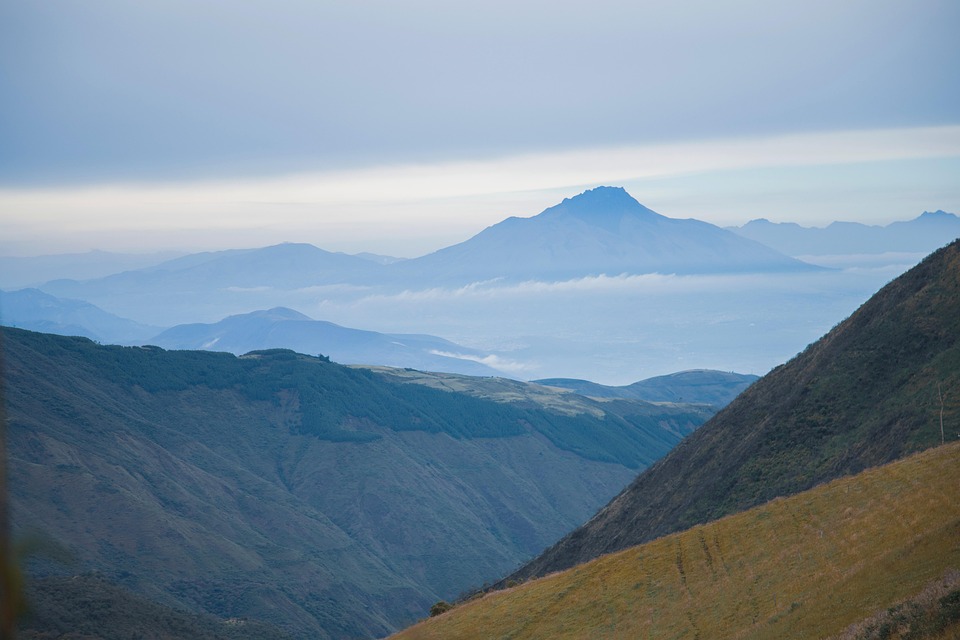
Picture this: serene mountain ranges, bustling local markets, dramatic coastlines, and an overwhelming warmth from its people. Welcome to Ecuador – a South American gem brimming with a culture that dances between its rich history and bold, modern identity. For travellers seeking authentic experiences, Ecuador offers a kaleidoscopic journey through cuisine, heritage, and natural wonder, a place where the Andes kiss the equator and traditions weave into vibrant realities.
In this comprehensive guide, we’ll dive deeply into the lesser-known facets of Ecuadorian life – the food, the stories, and the heartbeat of its culture. Whether you’re planning your first visit or hoping to uncover hidden gems, let’s embark on this journey together.
The Heart of Culture: Ecuador Through the Lens of Everyday Life
Ecuador is more than just a beautiful country; it’s a living tapestry of influences, history, and tradition. To walk its streets, trek its mountain trails, or glide along its rivers is to feel the pulse of a nation fiercely proud of its legacy.
The Four Corners of Ecuador
Ecuador is often divided geographically and culturally into four regions, each brimming with unique traditions, dialects, customs, and landscapes.
-
The Andes (Sierra)
The backbone of Ecuador, the Andean region, stands out with sweeping highlands, timeless colonial towns, and snowy volcanoes. Here, agriculture shapes lives; every corner is dotted with patchwork fields of quinoa, maize, or potatoes. Indigenous communities continue to uphold ancient traditions, welcoming visitors with colourful ceremonies and artisanal crafts. -
The Amazon (El Oriente)
This lush rainforest region is a treasure trove of biodiversity. Home to indigenous tribes like the Huaorani and Achuar, it offers an unparalleled cultural immersion. Skills such as making chicha (a fermented yucca drink) or weaving natural fibres into art offer a window into pre-Columbian heritage. -
The Coast (La Costa)
From fishing villages to bustling city ports, the coast offers vibrant gastronomy built on fresh seafood and tropical produce. Afro-Ecuadorian communities play a big role here, adding their rhythm, dance, and music to coastal festivities. -
The Galápagos Islands
While famous for their stunning biodiversity, the Galápagos also retain a community spirit rooted in conservation and sustainable living. Billions of years of history sew the islands into Ecuador’s identity.
Ecuadorian Cuisine: A Feast for the Soul
To understand a nation, you must taste it. Ecuadorian food speaks of its diverse land: the ocean’s abundance, fertile valleys, and volcanic highlands. It is humble yet flavourful – comforting yet dazzling.
Staples of Ecuadorian Cuisine
Potatoes, Corn, and Quinoa: The Ancestral Trio
Locally grown for over 7,000 years, ingredients like potatoes, quinoa, and corn are the building blocks of traditional Andean cuisine. These elements reflect Quechua (Indigenous Andean) roots, providing hearty nutrition for centuries. A Plate to try: Locro de papa, a creamy potato soup made with cheese and avocado.
Rice, Green Plantains, and Yucca
In the coastal and Amazon regions, meals centre around yucca and plantains. Expect dishes wrapped in banana leaves—with food as vibrant as its tropical scenery. Must-try: Bollo de pescado – fish wrapped in plantain mash, steamed to perfection.
Signature Dishes You Must Try in Ecuador
-
Ceviche
Unlike Peruvian ceviche, Ecuadorians serve their ceviche cooked with orange juice, lime, and plenty of tomatoes, often enjoyed with a side of banana chips. -
Fanesca (Holy Week Soup)
This unique, exuberant soup is a blend of 12 grains and beans, symbolising the 12 apostles, cooked in a milk base. It is a must-experience dish during Easter festivities. -
Guinea Pig (Cuy)
Considered a delicacy in the Andean highlands, cuy— guinea pig roasted or grilled — is not just food; it’s a rich cultural experience. -
Encocado de Camarones
This dish hails from the coast, combining shrimp with a fragrant coconut and coriander sauce. It’s comfort food with an exotic twist.
Ecuador’s Rich History: From Ancient to Present
Steeped in pre-Columbian legacy and centuries of colonial rule, Ecuador’s history pulses through every city square and mountain trail.
Pre-Columbian Civilisations
Before the Incas extended their reach to Ecuador, it was home to various Indigenous cultures, including the Valdivia, Manteño, and Quitus. Archaeological remnants indicate advanced pottery, navigation, and farming techniques. Visit sites such as Ingapirca, the largest Incan ruin in Ecuador, to witness ancient Andean ingenuity.
Colonisation and Independence
When Spanish conquistadors arrived in 1534, they brought Catholicism and colonial architecture, transforming cities like Quito into baroque wonders. Stroll through Quito’s well-preserved historic centre, a UNESCO World Heritage Site, to feel as though you’ve stepped into a 16th-century European town.
Ecuador gained independence in 1822 and joined the Republic of Gran Colombia before becoming a sovereign nation in 1830. Today, remnants of colonialism blend with Indigenous identity, creating a land of storytelling and resilience.
Festivities: Experience Ecuadorian Celebrations Firsthand
Ecuadorian festivals reflect centuries of spiritual beliefs, whether rooted in Catholicism or Indigenous traditions. Here are some must-be-there events:
- Inti Raymi (Festival of the Sun) – Celebrated around the summer solstice, this event honours the sun god Inti. Expect dazzling processions, folk dances, and ancient rites, particularly in Otavalo.
- Diablada de Pillaro (Devil’s Festival) – A festive, centuries-old rebellion against Spanish rule, where masked devils flood the streets with flamboyant performances.
- Carnaval – Before Lent, coastal towns host water fights, music, and parades, a playful time reflecting Ecuador’s fun-loving nature.
Ecuador’s UNESCO Treasures: Preserving the Nation’s Soul
Did you know Ecuador is home to four UNESCO World Heritage Sites? From cultural hubs to natural paradises, these destinations add depth to your travels:
- Quito Historic Centre – It’s like stepping into a colonial painting, where cobblestone streets meet ornate churches.
- Galápagos Islands – Lava landscapes and wildlife deemed living proof of evolution.
- Sangay National Park – A glimpse into Ecuador’s biodiversity, where volcanoes, lakes, and cloud forests converge.
- Ingapirca Ruins – Relic of Incan rule, offering a look into the empire’s northern reach.
Practical Travel Tips for Ecuador
Exploration is easier and more enjoyable when prepared. Here’s how to make the most of your visit:
- Health – Altitude sickness can be a concern when visiting Quito or the Andes. Take time to acclimatise before adventuring into high-elevation regions.
- Currency – The official currency is the US dollar. Carry small bills, as change can be hard to come by in rural areas.
- Transport – Domestic flights and buses are the best ways to traverse Ecuador. While affordable, buses may lack stringent schedules.
Why Choose Nihosi Travels & Tours for Your Ecuadorian Adventure?
Organising a trip to Ecuador can feel daunting, given its multifaceted culture and geography. Nihosi Travels & Tours simplifies the process with bespoke travel packages, expert guides, and insider tips that ensure an authentic experience. From Amazon rainforest treks to curated food tours through Quito’s culinary scene, Nihosi is your gateway to discovering Ecuador’s heart.
FAQs About Travelling to Ecuador
1. Is Ecuador safe for tourists?
Yes. Ecuador is generally safe for tourists, but like any travel destination, it’s essential to stay alert, particularly in large cities.
2. When’s the best time to visit Ecuador?
The dry season (June-September) offers the best weather for exploring diverse regions, although the Galápagos Islands are enjoyable year-round.
3. Do I need a visa to visit Ecuador?
Most nationalities receive a 90-day visa upon arrival. Check specific requirements with your local consulate.
4. What’s the must-visit spot in Ecuador?
It depends on your interest! Nature enthusiasts will adore the Galápagos, while history buffs should explore Quito or Cuenca.
5. How should I dress for Ecuador?
Prepare for varied climates. Layered clothing is essential for navigating the cool Andes, hot coast, and humid Amazon.
For a full list of questions, explore our FAQ section.
From its slopes of dormant volcanoes to the depths of its emerald jungles, Ecuador offers more than a travel destination – it gifts stories, new flavours, and unforgettable memories. Why wait to discover authentic Ecuador?
Head to www.nihositravels.com and let your journey begin!











Subscribe To Our Newsletter
Join our mailing list to receive the latest news and updates from our team.
You have Successfully Subscribed!